Full story
Attacks, oil, and blockade
Oil prices rose as the market weighed renewed US-Iran negotiations against escalating supply risks tied to the Strait of Hormuz and Red Sea shipping disruptions.
“There are growing indications that the war between the United States and Iran could widen, with a ten-day ceasefire proposal remaining without a final Iranian position announced, and exchanges of threats over the Strait of Hormuz and infrastructure, and continued strikes and military responses”
Brent crude futures gained $1.12 or 1.3 per cent to trade at $89.22 per barrel, while US West Texas Intermediate (WTI) crude soared by 74 cents or 0.9 per cent to $83.23 a barrel, as the Middle East conflict escalated over the weekend with the US conducting a ninth straight night of attacks against Iran.

The US-Iran war was described as reaching the southern entrance of the Red Sea, with a Houthi “maritime embargo” against Saudi Arabia framed as retaliation for what the group described as a Saudi siege of Yemen.
The article said the development “threatens an export route used by Saudi Arabia to bypass disruptions in the Strait of Hormuz,” and noted that about 20 per cent of global oil supplies flowed through the waterway.
It also reported that Iran had instructed the Houthis to prepare to close the Bab el-Mandeb Strait if the US continued attacking Iranian power infrastructure, and that a full closure could disrupt oil shipments equivalent to about 7 per cent of global supply.
Trump’s stance and casualties
As the US-Iran military conflict entered its tenth day, US President Donald Trump said Iran must pay a “multiplied price” for attacking American forces and downplayed the likelihood of renewed negotiations in the near term.
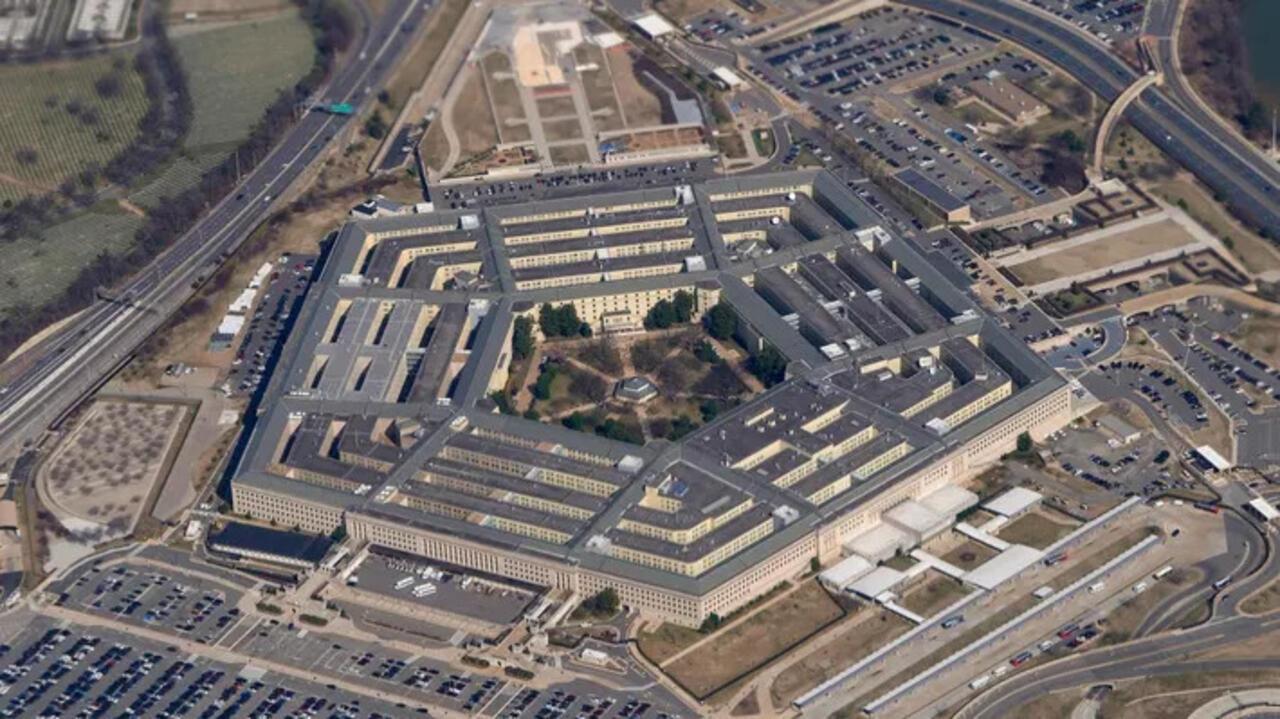
Trump told reporters that for every American soldier Iran kills, “they will pay a multiplied price!”, and the article said he confirmed that relevant orders were issued to Secretary of Defense Pete Hegseth and commanders at all levels of the US military.
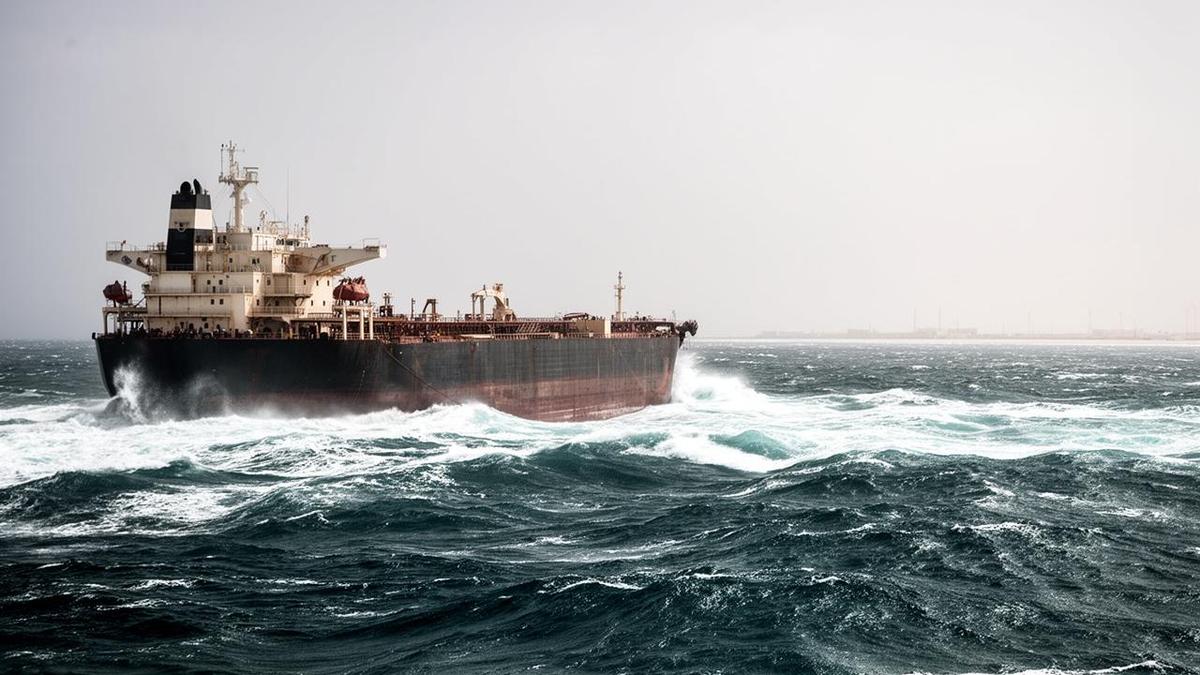
The same account said the US Central Command stated the wave of attacks focused on striking Iranian military command centers, missile launch sites, and air defense systems, aiming to degrade Iran's ability to attack commercial vessels in the Strait of Hormuz.
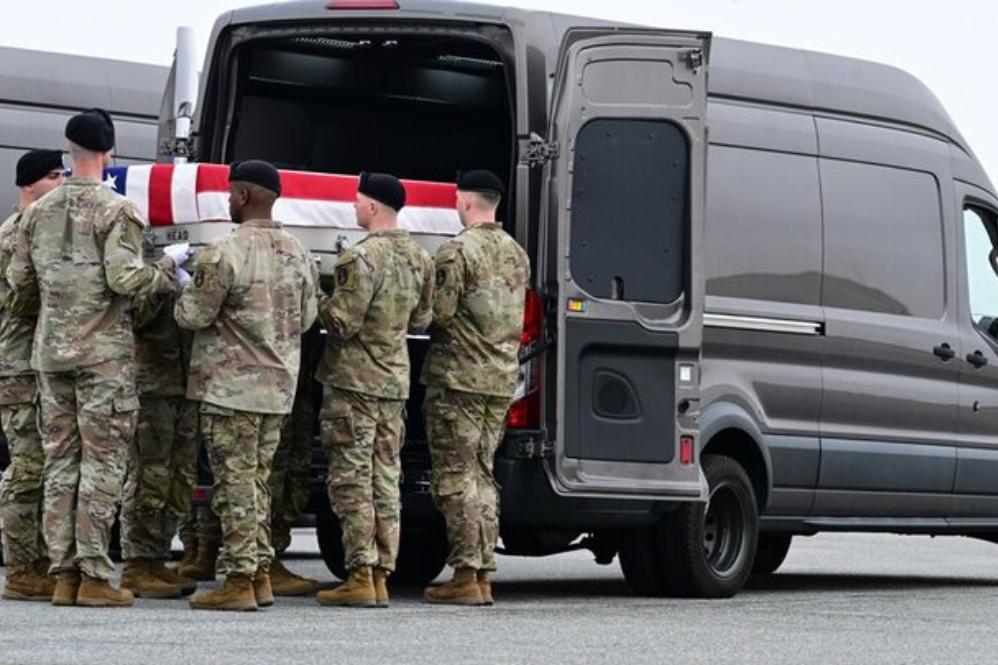
It reported that since last Friday, three American service members have been killed in northern Iraq and Jordan, with one additional soldier missing.
The article also said the Iran-backed Houthi movement announced a naval blockade against Saudi Arabia, demanding that all vessels refrain from docking at Saudi ports, while the Saudi-led coalition said it is taking measures to protect local vessels.
10-day ceasefire proposal
Mediators pushed a 10-day ceasefire proposal aimed at halting the cycle of retaliation between the United States and Iran and reopening commercial shipping through the Strait of Hormuz.
“Published on By By Adedapo Adesanya Oil prices settled over 1 per cent higher on Monday as the market weighed the prospect of renewed US-Iran negotiations against escalating supply risks following escalations in the Middle East”
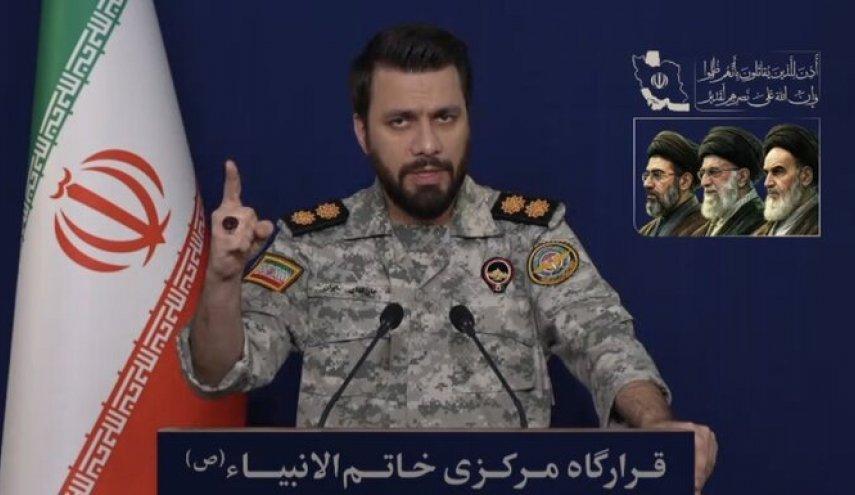
On July 20, Iranian Foreign Ministry spokesman Ismail Baqaei said Tehran had received “proposals relayed through mediators,” and he added, “At this stage, I do not want to discuss the details,” while confirming that diplomatic efforts would continue alongside Iran’s military response.
The proposal described in the article would suspend military operations for 10 days and reopen the waterways through the strait, with the northern route under blockade by the U.S. Navy and the southern route marked as having witnessed Iranian attacks on many ships.
The article said mediators were racing to mediate a ceasefire, and it cited a July 20 briefing that the plan was based on talks held in Muscat on July 11 between Oman, Iran, and Qatar that ultimately collapsed.
It also reported that the plan seeks to salvage the memorandum of understanding reached last month, and that the core of the plan lies in the Strait of Hormuz, where nearly 20% of the world’s oil and gas reserves pass.