Europe29 August, 20262 min read
Poland Rejects U.S. Nuclear Warheads After Deputy Defense Minister Pawel Zalewski Meets Elbridge Colby
This article is an automated aggregation of coverage from news outlets. Our editorials offer in-depth analysis curated by the NewsCord team.
Poland rejects hosting US nuclear weapons, opting to participate in NATO deterrence without on-site weapons. Deputy Defence Minister Pawel Zalewski announced Poland's position at a NATO Brussels meeting.
5 outlets told this the same way.
Outlets did split on Azerbaijan Bars Hijab in Schools, Sparking Protests in Baku and Arrests →
Poland Rejects Warheads
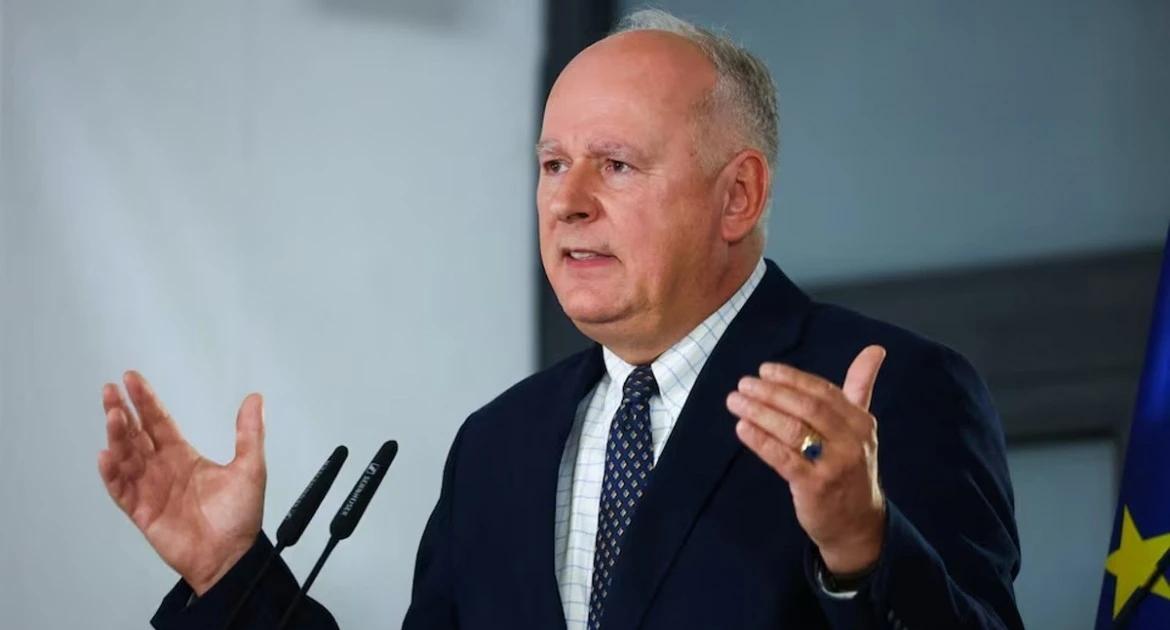
Poland’s Deputy Defense Minister Pawel Zalewski said Poland does not want nuclear warheads on its territory while discussing NATO’s nuclear deterrence framework after a meeting with U.S. under secretary of defense for policy Elbridge Colby.
Zalewski told reporters at NATO headquarters in Brussels, "We want to participate in Nato nuclear deterrence, which does not mean having nuclear warheads on our territory," and he also said, "No. I would like to say this very clearly and openly: Poland does not want nuclear warheads on its territory."

The dispute has been framed as a debate over whether Warsaw would seek to join NATO’s nuclear sharing program, which the Times of India described as allowing countries to participate in deterrence without having nuclear weapons themselves.
The Times of India also said Washington announced a six-month review of U.S. troop deployments in Europe in June, and that a Reuters-seen document would prepare at least four sets of options for Defence Secretary Pete Hegseth by November 6, ahead of a December deadline.
Criticism and Clarification
The comments triggered criticism from figures aligned with President Karol Nawrocki and the Law and Justice opposition party, with Marcin Przydacz saying, "Poland also wants to have the presence of warheads on its territory." Przydacz argued that "Today, there is no such infrastructure, but if we join the [nuclear-sharing] program, such infrastructure will have to be built," as the internal controversy over Poland’s position in NATO’s nuclear deterrence system widened.
In response to the controversy, Defense Minister Wladyslaw Kosiniak-Kamysz issued a statement assuring the public that Poland still wants to participate in nuclear sharing and is negotiating a proposal to join the European nuclear umbrella. Kosiniak-Kamysz wrote on X, "The stance of our government on these issues is indisputable," while the Vietnam.vn account also quoted Zalewski reiterating his initial line that Poland does not want nuclear warheads on its territory.
NATO Nuclear Sharing Stakes
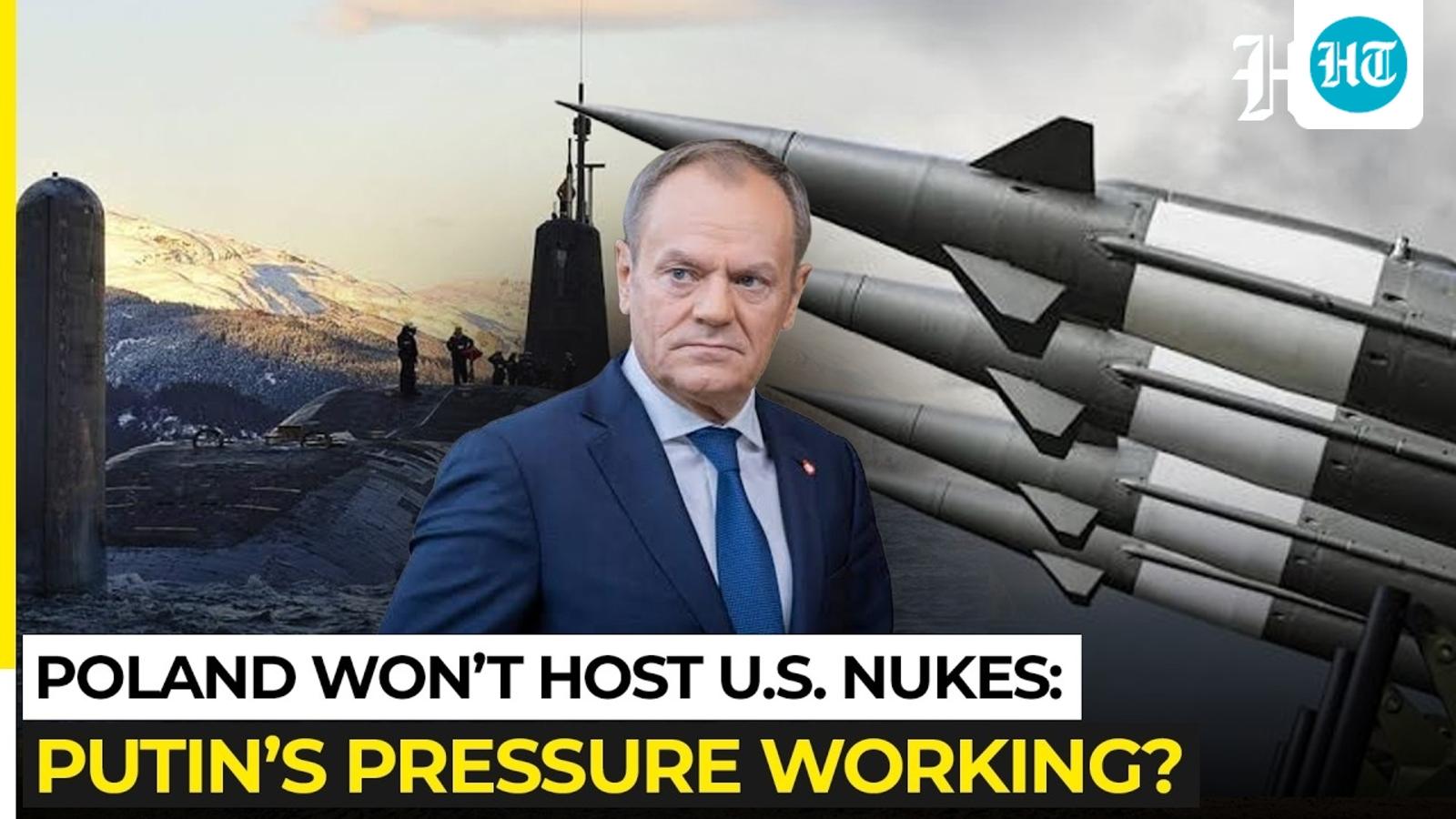
The debate returns attention to NATO’s nuclear sharing program, which Newsweek described as developed in the 1950s to counter the Soviet Union’s conventional military superiority in Europe if the Cold War erupted into full-scale conflict. Newsweek said five NATO states host U.S. nuclear weapons on their soil in line with nuclear sharing—Belgium, Germany, Italy, the Netherlands and Turkey—and that each maintains a stockpile of B61 gravity bombs.
The Times of India added that the U.S. retains custody and control of nuclear weapons deployed in Europe under the arrangement, while allied countries provide aircraft, bases, infrastructure and other support for the nuclear mission. In Poland’s case, the Times of India said the position means it is seeking a role in NATO’s broader nuclear deterrence framework without joining the group of NATO members where U.S. nuclear weapons are believed to be physically stationed, as the dispute unfolded alongside fears about Russia-Ukraine tensions.