Ukraine Warupdated 58m ago3 min read
Pope Leo XIV Urges Vladimir Putin Ceasefire in Oleshky to Deliver Food and Medical Aid
This article is an automated aggregation of coverage from news outlets. Our editorials offer in-depth analysis curated by the NewsCord team.
Pope Leo XIV urged Putin to declare a humanitarian ceasefire in Oleshky to allow aid. The call aimed to permit safe civilian evacuations from the frontline city.
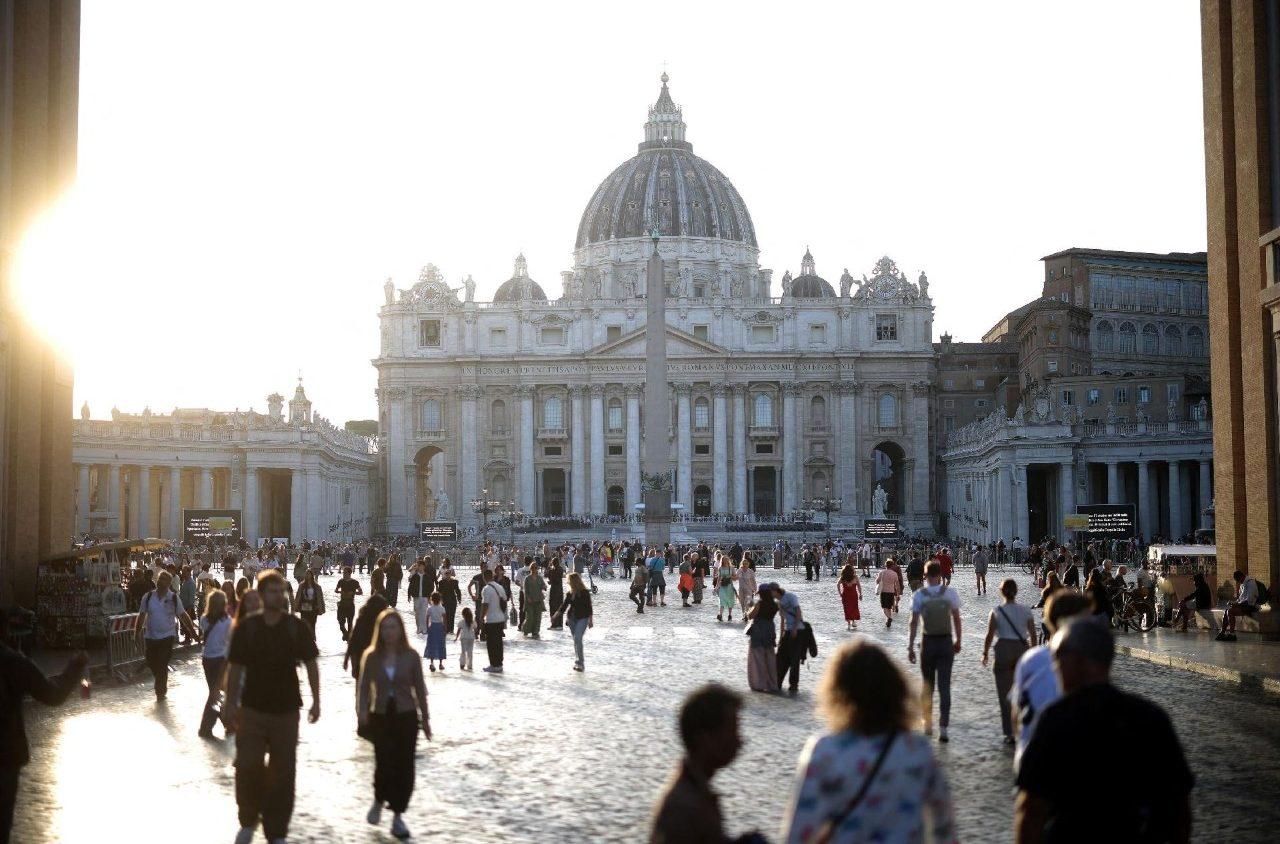
Pope presses for ceasefire
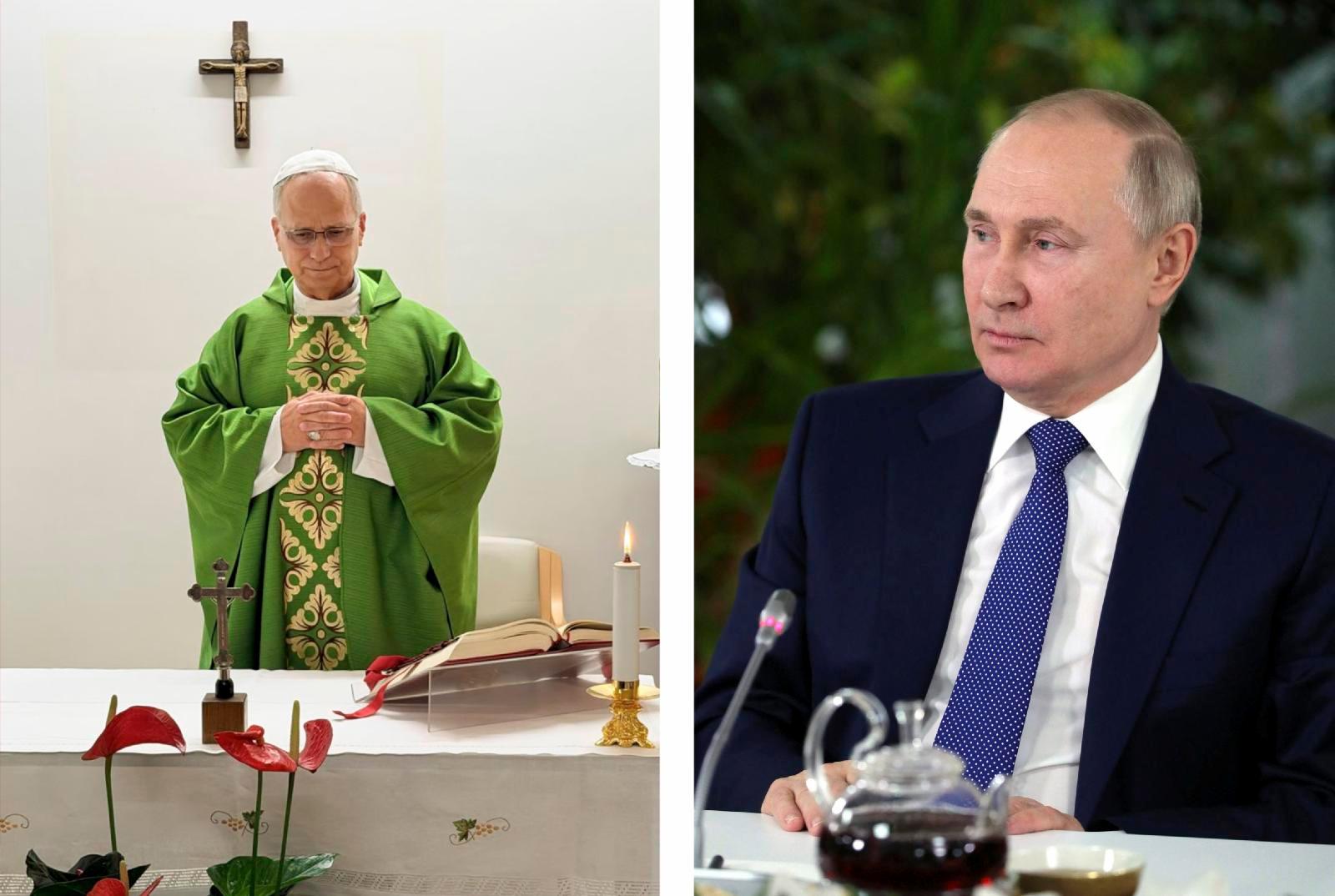
Pope Leo XIV spoke by phone with Russian President Vladimir Putin on Friday, urging a ceasefire in the Russian-occupied city of Oleshky in Ukraine’s Kherson region while the pope recovered in Rome’s Gemelli Hospital after lung cancer surgery.
The Vatican said Pope Leo “expressed his deep concern about the grave humanitarian situation in the city of Oleshky, in the Kherson region, and called for a ceasefire to allow the delivery of food and medical assistance, and the voluntary and safe evacuation of the civilian population”.
The Kremlin said Putin gave the pope “comprehensive explanations of the Kyiv regime’s responsibility” for “the humanitarian situation that has developed in Oleshky,” and the two sides agreed “to cooperate on this,” according to the Kremlin press service.
The Holy See Press Office announced the pope called for a ceasefire to allow the delivery of food and medical assistance and the voluntary and safe evacuation of the civilian population, as the pope remained in hospital after an Oct. 13 lung cancer surgery.
The call came as Leo remained hospitalized in Rome after undergoing surgery for lung cancer on Oct. 13, and it described Oleshky as a front-line city where civilians faced severe shortages of food and medicine.
Humanitarian crisis and blame
The Kremlin press service said Putin wished the pope a speedy recovery and thanked him for his willingness to assist in “resolving the conflict” and for his “humanitarian efforts,” while describing Kyiv’s responsibility for the situation in Oleshky.
Putin blamed Ukraine for the crisis in Oleshky, while Pope Leo called for a local ceasefire to allow humanitarian aid deliveries and the safe evacuation of civilians from the front-line city.
Around 2,000 residents remained trapped amid severe shortages of food and medicine, and evacuation efforts had come to a halt since the summer.
The Holy See Press Office announced Pope Leo “expressed his deep concern about the grave humanitarian situation in the city of Oleshky,” and it described the city as partially occupied in the Kherson region.
Russian officials repeatedly refused to permit both evacuations and humanitarian aid, citing Ukraine’s foreign minister Andrii Sybiha in a Sept. 21 Facebook post.
What comes next for Oleshky
Cardinal Secretary of State Pietro Parolin said Pope Leo took the initiative to plead the case of a besieged city where some 2,000 civilians need humanitarian routes through which they can leave.
Parolin added that “The Pope called for a ceasefire to allow humanitarian aid, especially food, to reach the city and to enable those who wish to leave to be evacuated,” and he said he hoped President Putin would agree to do what the pope asked.
The pope’s call coincided with his message for World Food Day (Oct. 16), in which he described “regular access to safe, adequate and sufficient food” as “a basic human right” to be safeguarded by nations.
Food supplies last “delivered to the area at the end of May,” and Oleshky and surrounding communities were estimated to have more than 6,000 civilians remaining there, including some 200 children.
Residents of Oleshky have lived under Russian occupation since 2022, and constant drone attacks left residents without food, electricity, or adequate medical care, with civilians sometimes unable to even bury loved ones who have been killed.