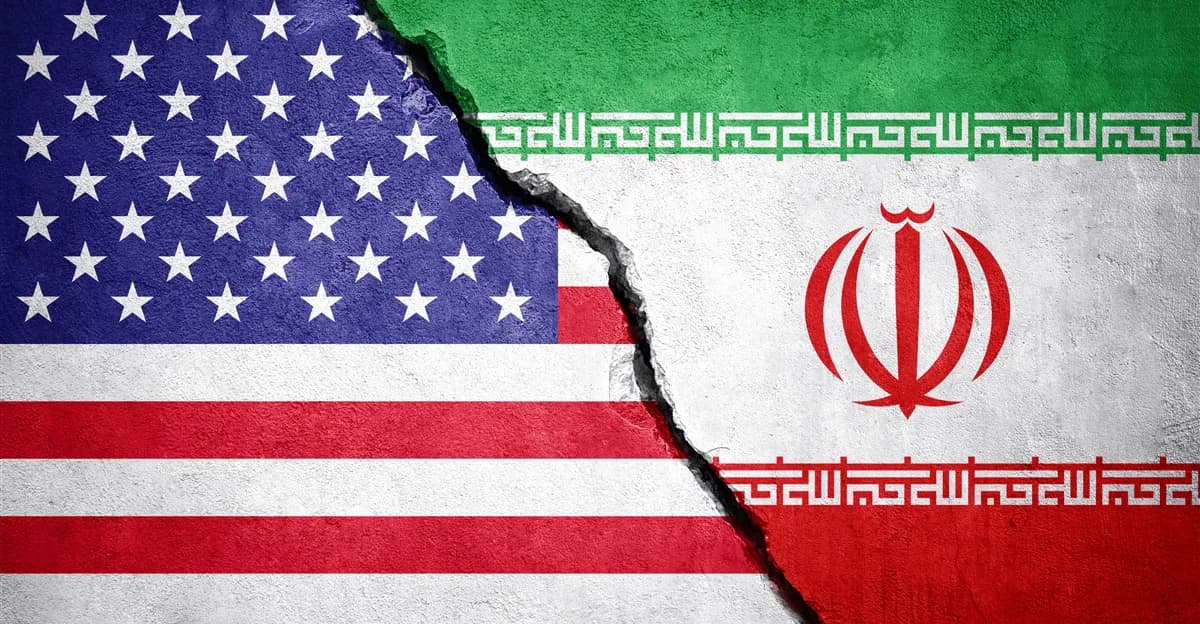
President Donald Trump Delays Iran Strikes as Tehran Denies Talks
Key Takeaways
- Trump delays strikes on Iran's energy infrastructure for five days, citing productive talks.
- Iran denies holding talks with the United States.
- Oil prices fall and stock markets rally after the pause.
Trump's Strike Postponement
President Donald Trump announced a dramatic five-day postponement of planned military strikes against Iran's power plants and energy infrastructure on Monday, March 23, 2026.
He claimed that the United States and Iran had engaged in 'very good and productive conversations' aimed at achieving a 'complete and total resolution of hostilities in the Middle East.'

In a post on his Truth Social platform, Trump stated that based on the 'tenor and tone' of these discussions, he had instructed the Department of War to delay all military action against Iranian energy sites.
The announcement came just hours before a self-imposed 48-hour deadline was set to expire, during which Trump had threatened to 'obliterate' Iran's power plants unless Tehran fully reopened the strategically vital Strait of Hormuz to international shipping.
The development sent immediate shockwaves through global markets, with oil prices plummeting and stock indices rallying as investors reacted to the prospect of de-escalation in the increasingly volatile conflict that had been raging for three weeks.
Iran's Firm Denials
Iranian officials swiftly and categorically rejected Trump's claims of diplomatic engagement, with multiple sources from Tehran dismissing the assertions as fabrications.
Parliament Speaker Mohammad Bagher Ghalibaf took to social media platform X to declare that 'no negotiations have been held with the US,' characterizing Trump's statements as 'fake news' being 'used to manipulate the financial and oil markets and escape the quagmire in which the US and Israel are trapped.'

Iran's Foreign Ministry issued an equally blunt denial through state media, asserting that Trump's remarks were 'part of efforts to reduce energy prices and buy time to implement his military plans.'
Iranian state media portrayed Trump's reversal not as a diplomatic breakthrough but as a strategic retreat forced by Tehran's firm warnings of devastating retaliation.
According to Iranian sources, Trump had backed down after Iran made clear that any attack on its infrastructure would trigger strikes against power plants across the entire region, potentially causing catastrophic disruptions to water supplies and energy networks throughout the Gulf.
Conflicting Narratives
The contradictory narratives between Washington and Tehran created significant confusion and uncertainty about the actual state of diplomatic relations, even as global markets responded positively to Trump's announcement.
“But Iran denied those conversations took place, accusing the US of spreading "fake news" to "manipulate" the oil markets”
While Trump insisted that his envoys Steve Witkoff and Jared Kushner had engaged in substantive discussions with Iranian counterparts, he remained vague about the identity of the Iranian officials involved, only describing them as 'a top person' who was 'not the supreme leader.'
Trump acknowledged that he had not communicated with Iran's new Supreme Leader Mojtaba Khamenei, whom he dismissed as not really being the leader.
Regional mediation efforts appeared to be underway, with reports indicating that Egypt, Turkey, and Pakistan had been exchanging messages between the two sides.
However, these third-party diplomatic initiatives did not resolve the fundamental contradiction between Trump's claims of productive talks and Iran's outright denials of any communication, leaving the international community uncertain about whether the five-day pause represented a genuine diplomatic opening or merely a tactical delay in military operations.
Continuing Conflict
The conflict continued to rage despite the diplomatic claims, with Israel launching new attacks on Iranian infrastructure and Iran maintaining its blockade of the Strait of Hormuz, through which approximately 20% of global oil shipments pass.
Israeli forces reported conducting 'a wave of strikes targeting infrastructure' across Tehran, demonstrating that military operations were continuing despite Trump's diplomatic overtures.

Iran's closure of the vital waterway had already caused significant disruption to global energy markets, with oil prices surging from under $73 per barrel before the conflict began to over $113 at its peak.
The International Energy Agency warned that the current energy crisis was worse than the combined oil shocks of the 1970s, with 11 million barrels per day of production lost compared to 10 million barrels during the previous major crises.
The five-day delay in strikes provided only a temporary respite for global markets, which remained highly volatile as investors tried to discern whether the conflicting signals represented a genuine path to de-escalation or merely a pause in what threatened to become an even more devastating conflict.
More on Iran

US and Israel enter 25th day of war against Iran
12 sources compared

President Trump Says Iran Deal Within Reach Amid Talks With Senior Iranian Official
10 sources compared

Trump Approves Iran Operation After Netanyahu Presses for Joint Strike on Khamenei
12 sources compared
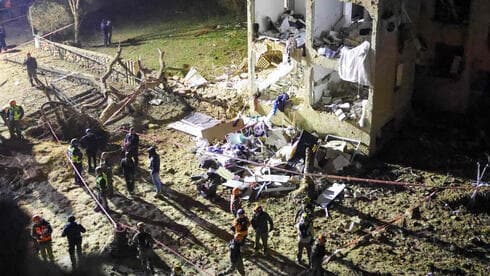
Iranian Missiles Strike Israel; Officials Report 180 Injured Amid Conflicting Casualty Figures.
12 sources compared