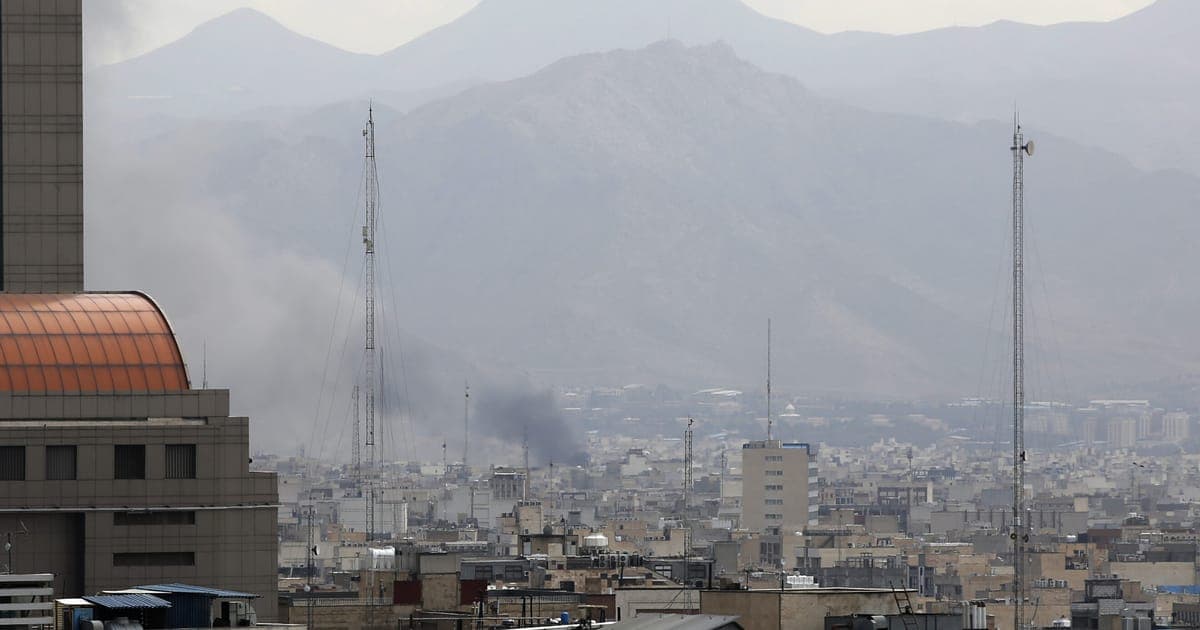
President Donald Trump Signals Winding Down Iran War While Sending More Troops
Key Takeaways
- Trump signals winding down war while deploying thousands of Marines to the Middle East.
- Deployment accompanies renewed Middle East attacks by Israel and Iran.
- Media highlight contradictions between talk of winding down and actual troop deployment.
Mixed Signals
President Donald Trump has delivered a series of contradictory signals regarding the Iran war.
“fuel-tracking service, said he does not expect the temporary suspension to have a major impact on gas prices”
This has created confusion about U.S. strategy while simultaneously implementing escalating actions.
Within a single day, Trump announced consideration of 'winding down' military operations.
This came while his administration deployed additional forces to the region.
The administration also relaxed sanctions on Iranian oil exports simultaneously.
This mixed messaging has deepened concerns about incoherent long-term strategy.
The U.S.-Israel conflict now in its fourth week continues to roil global markets.
International security remains uncertain as no clear endgame is visible.
Winding Down Rationale
Trump publicly framed the potential wind-down as having achieved key strategic objectives.
He claimed the U.S. had adequately degraded Iranian naval capabilities.

Trump also claimed degradation of Iranian missile and industrial capacity was achieved.
The administration believes it prevented Tehran from acquiring nuclear weapons.
The president made these claims in social media posts.
These pronouncements came amid continuing military operations.
International tensions contradicted the notion of de-escalation.
The timing of these statements raised questions about their sincerity.
Military Buildup
Despite talk of winding down, the Trump administration increased military presence.
Three additional amphibious assault ships were deployed to the Middle East.
Approximately 2,500 Marines were sent to the region.
This was the second major troop reinforcement in two weeks.
Total U.S. forces supporting the war now exceed 50,000.
The Marine units are designed for rapid amphibious operations.
This raised speculation about potential ground involvement.
Trump publicly ruled out sending conventional troops to fight in Iran.
Sanctions Relief
The Trump administration addressed soaring global energy prices.
They lifted decades-old sanctions on Iranian oil already at sea.

This marked the first time in years U.S. allowed Iranian oil exports.
The move came as oil prices continued climbing.
U.S. stock markets were also plunging, creating financial pressure.
The sanctions waiver provided a lifeline to the Iranian government.
This undermined Washington's traditional leverage against Tehran.
Even some Republican allies criticized the contradictory approach.
Iranian Response
Iran has responded with continued military actions and defiant rhetoric.
“Trump weighs ‘winding down’ war as Pentagon sends 2,500 California Marines to Mideast - Click here to listen to this article - - The San-Diego deployment departed from Camp Pendleton on Wednesday”
They threatened attacks on recreational and tourist sites worldwide.
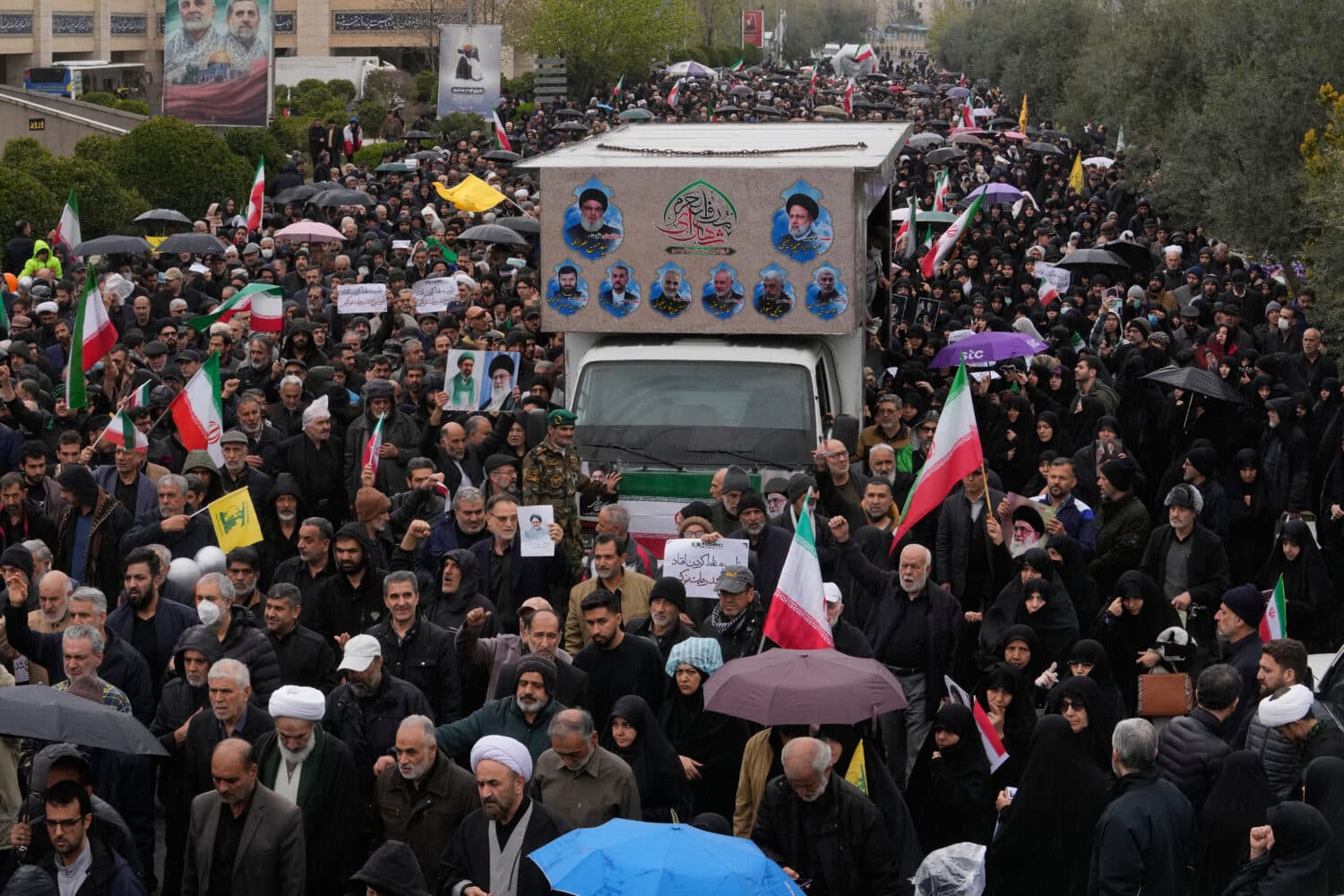
Iran made unsuccessful attempts to strike key military targets.
Iranian Foreign Minister Abbas Araghchi sought lasting peace.
He rejected 'not a cease-fire, but a complete, comprehensive and lasting end'.
The conflict shows no signs of abating despite Trump's suggestions.
Ongoing missile exchanges continue across the region.
Drone attacks and Israeli strikes escalate tensions daily.
Global Reactions
The international community reacted variedly to contradictory U.S. policy.
Trump called NATO allies 'cowards' for refusing to join the war.
Britain's Ministry of Defense condemned Iran's actions.
They called Iran's actions 'a threat to British interests and allies'.
European nations adopted divergent approaches to the crisis.
Switzerland cited neutrality in refusing new war materiel licenses.
Germany is reforming spy services to reduce U.S. intelligence reliance.
EU energy commissioner urges flexibility in gas storage management.
More on Iran
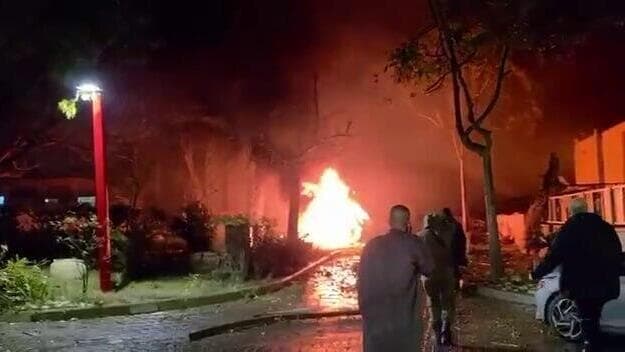
Iranian missiles strike Dimona and Arad, injuring over 100.
47 sources compared
Iran Attacks Dimona in Retaliation for Natanz Strike
44 sources compared

Iran Attacks Diego Garcia with Long-Range Missiles, Targeting U.S.-UK Base
82 sources compared
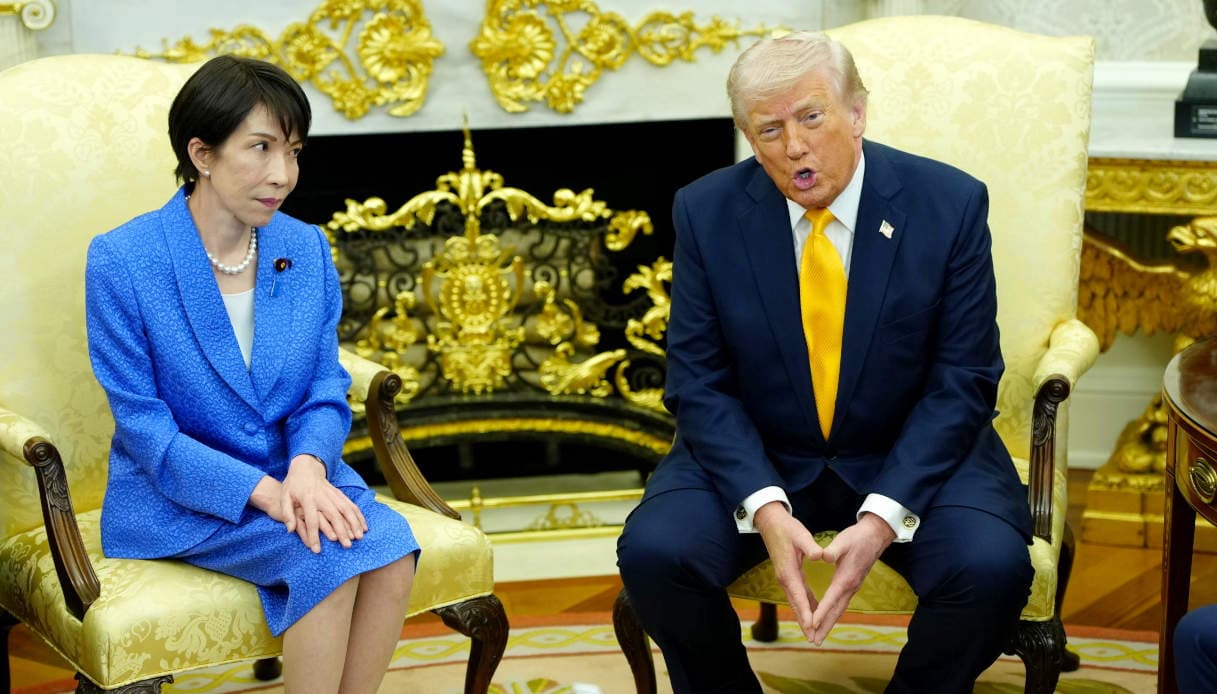
Trump Defends Iran War by Citing Pearl Harbor
12 sources compared