President Donald Trump Suspends the Jones Act for 60 Days to Ease Oil Costs
Key Takeaways
- Trump issued a 60-day Jones Act waiver permitting foreign-flagged ships between U.S. ports.
- The move aims to ease rising domestic energy costs amid the Iran conflict.
- Analysts expect only limited impact on gasoline prices.
Trump's Jones Act Waiver
President Donald Trump has temporarily waived the century-old Jones Act for 60 days to ease rising energy costs.
“Washington (EFE) — The president of the United States, Donald Trump, decided this Wednesday to suspend a law that requires all goods traveling between U”
The waiver allows foreign-flagged vessels to transport cargo between US ports temporarily.
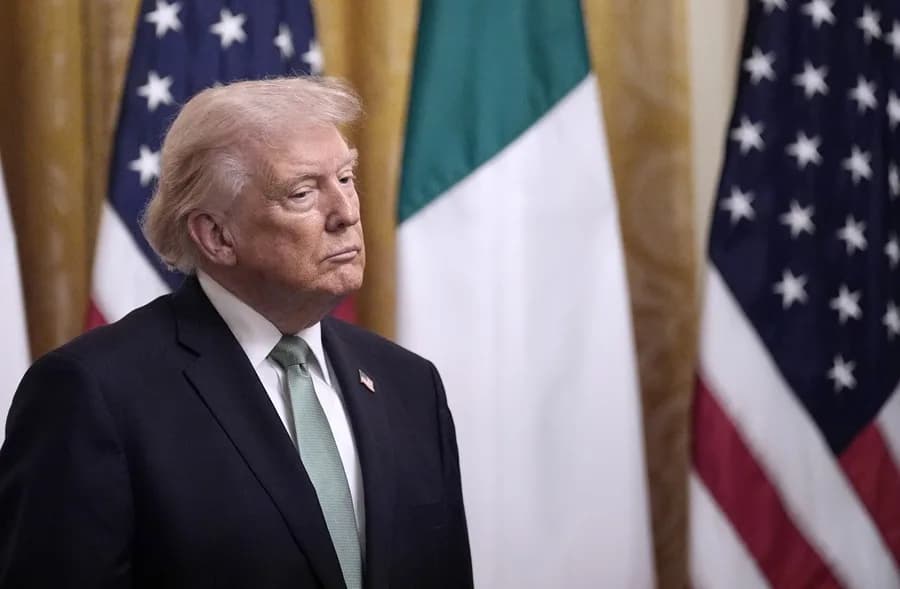
White House press secretary Karoline Leavitt stated this will allow vital resources like oil, natural gas, fertilizer, and coal to flow freely.
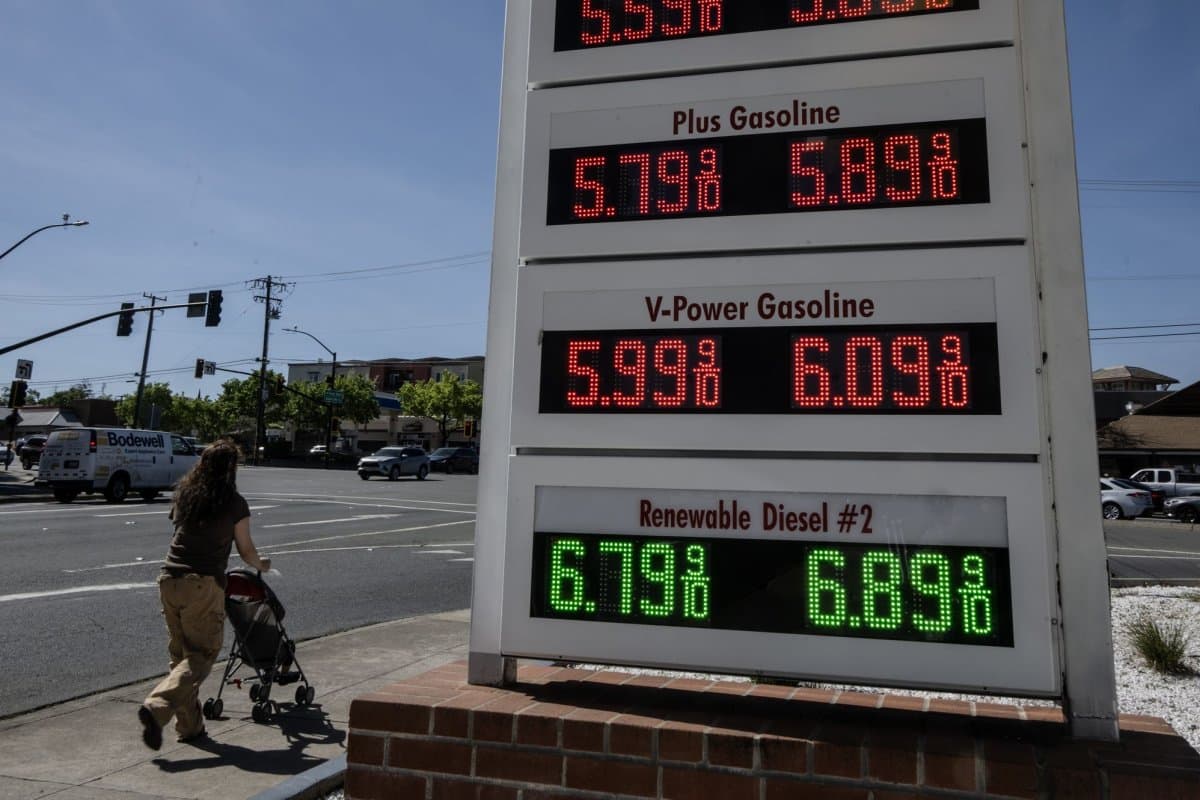
Gas prices have surged to $3.84 per gallon, up 25% from pre-war levels.
The move comes amid the ongoing US-Israel war with Iran that has disrupted oil markets.
Jones Act Background
The Jones Act, formally known as the Merchant Marine Act of 1920, was established to rebuild the US shipping industry after WWI.
The act requires ships transporting goods between US ports to be built in the US, owned by US citizens, and crewed primarily by Americans.

The law allows for temporary waivers in the 'interest of national defense,' according to US Maritime Administration.
Critics argue the law drives up shipping costs, with US ships costing 8-10 times more to build than foreign competitors.
Despite criticisms, the law is backed by shipping companies, labor unions, and national security advocates.
Iran War Context
The Trump administration's waiver comes amid the US-Israel war on Iran that began February 28.
“United States President Donald Trump has temporarily waived a century-old shipping law to help ease the cost of transporting oil, gas and other commodities within the US”
Tanker traffic through the Strait of Hormuz has been severely disrupted, affecting global energy markets.
Approximately 20 million barrels of oil per day—about one-fifth of global consumption—normally pass through this strait.
The disruption has pushed Brent crude to near $109 per barrel, up from $70 before the war.
The International Energy Agency calls this 'the largest disruption of supply in the history of the global oil market'.
Economic Impact
Analysts estimate the Jones Act waiver could reduce East Coast gasoline prices by 3-10 cents per gallon.
JPMorgan Chase specifically projects savings of about 10 cents per gallon for East Coast motorists.
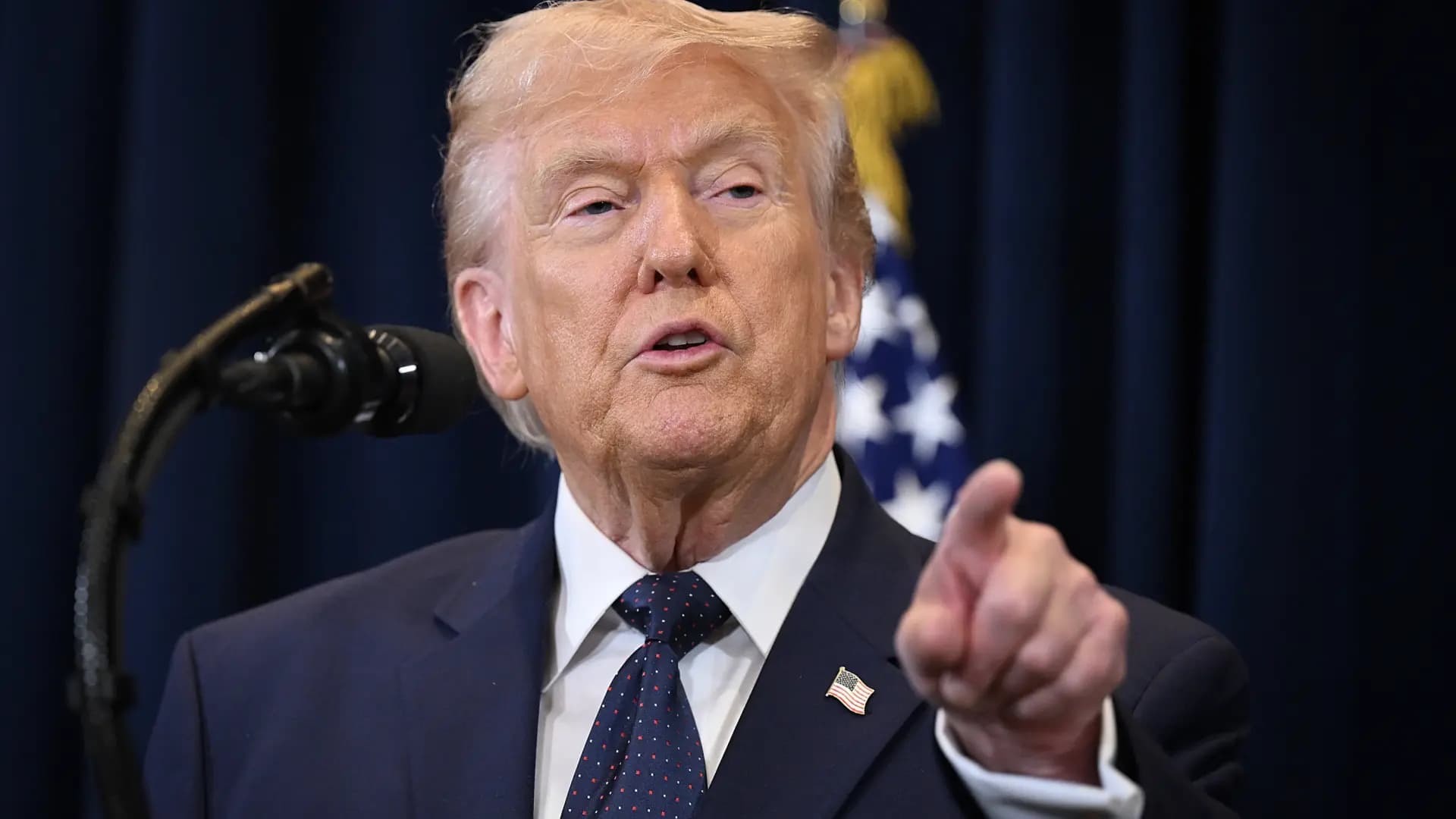
Critics argue domestic shipping accounts for less than one cent per gallon of gasoline costs.
The national average gas price was $3.842 on March 18, up 31% from $2.92 one month ago.
Diesel prices climbed 34% to $5.068 per gallon during the same period.
Industry Concerns
The Jones Act waiver has drawn criticism from maritime industry groups and labor organizations.
“President Donald Trump issued a 60-day waiver of a longstanding U”
A coalition of nine U.S. maritime labor groups expressed concerns about undermining national security.

The American Maritime Partnership warned about displacing American workers and companies.
These groups emphasize the waiver should only address immediate military threats, not displace workers.
The Trump administration maintains it's a temporary emergency measure with proper oversight.
Broader Response
Trump's Jones Act waiver is part of a series of emergency measures to stabilize global oil markets.
The administration announced releasing 172 million barrels from the Strategic Petroleum Reserve.
The International Energy Agency pledged to release 400 million barrels from member nations' stockpiles.
The Treasury Department eased sanctions for Venezuela's oil company and temporarily freed Russian oil.
Analysts caution these measures are only a short-term 'bridge' solution.
More on USA

California Renames César Chávez Day Events After Sexual Abuse Allegations
10 sources compared

César Chávez Allegedly Sexually Abused, New York Times Investigation Finds
77 sources compared
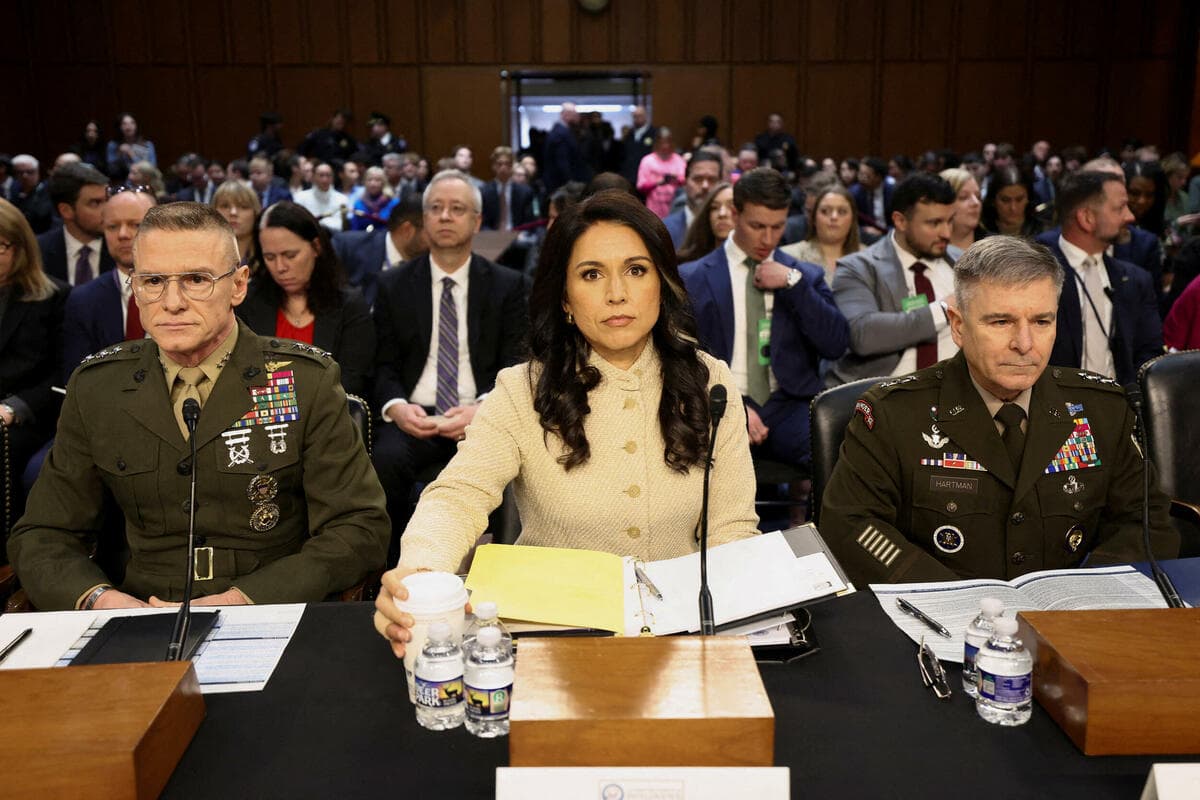
Trump administration airstrikes have vastly degraded Iran's military capabilities, says DNI Tulsi Gabbard
12 sources compared

UFW, Chávez Foundation Disassociate Over Chávez-Related Events Amid Sexual Abuse Allegations
37 sources compared