President Trump Faces Lawmakers' Pressure Over Clear Iran War Strategy
Key Takeaways
- Three weeks into Iran war, no clear endgame or strategy.
- 13 U.S. service members killed, more than 230 wounded.
- Congress pressures Trump for a defined exit plan; Pentagon seeks $200 billion.
Mixed Messages Mount
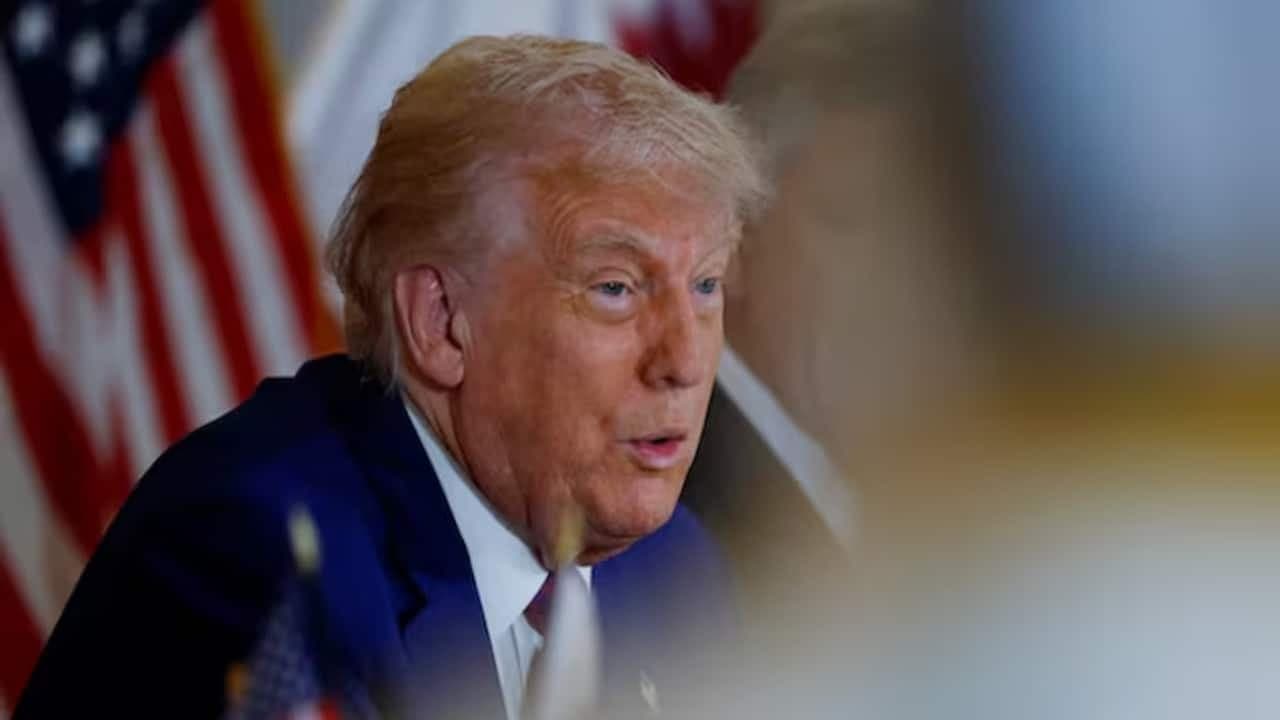
President Trump faces mounting pressure from lawmakers regarding mixed messages on Iran war strategy.
His administration has provided contradictory explanations about the joint US-Israeli military campaign.
Trump's remark that the war would end "when I feel it in my bones" has been criticized as lacking strategic clarity.
House Speaker Mike Johnson has suggested original objectives have been largely achieved.
This creates a disconnect between executive and legislative perspectives on campaign progress.
Bipartisan calls are growing for a coherent strategy and clearer articulation of goals.
Strategic Concerns Grow
Lawmakers from both parties express serious concerns about unclear strategic objectives.
Many question whether the administration has adequately defined what constitutes success.
Democratic leadership has been particularly vocal in their criticism.
Senate Democratic leader Chuck Schumer described the administration's approach as problematic.
Democratic Sen. Mazie Hirono urged prioritizing domestic programs over military engagement.
Republican lawmakers also raise concerns from different angles.
Some question effectiveness of current strategy while others push for clearer progress metrics.
Legal Timeline Pressure
The War Powers Act creates significant pressure as the 45-day mark approaches.
“AP Published : Updated : Share this news US lawmakers are increasingly pressing President Donald Trump for a clear exit strategy as the war with Iran enters its third week, raising concerns over its duration, costs and objectives”
The administration must choose between formal authorization or clear exit strategy.
Republican Sen. Thom Tillis emphasizes Trump's latitude under the War Powers Act is limited.
Tillis explained the 45-day threshold requires either congressional authorization or clear exit path.
This legal constraint adds urgency to calls for strategic clarity.
Lawmakers recognize current ambiguity cannot persist without violating constitutional requirements.
Funding Battle Intensifies
The Pentagon's $200 billion additional war funding request faces sharp criticism.
Senate Democratic leader Chuck Schumer describes the figure as excessive.

Bipartisan concern exists about the scale of the funding request.
Democratic Sen. Mazie Hirono argues domestic priorities should take precedence.
Many lawmakers draw parallels to previous military engagements.
Historical context of Bush's 9/11 authorization approach influences current debates.
This affects discussions about necessity, scope, and funding of Iran campaign.
Mission Status Dispute
Significant divergences exist between executive branch and Congress on mission completion.
“And we can only do this with your help”
House Speaker Mike Johnson insists original objectives have been largely achieved.
Johnson claims key goals like missile disruption and naval neutralization have been met.
He acknowledges ongoing tensions, especially in Strait of Hormuz.
Johnson suggests Iran's continuing threat is 'dragging it out a little bit.'
This conflicts with lawmakers who say administration goals remain unclear.
The disconnect highlights strategic confusion surrounding the Iran campaign.
More on Iran

Iranian missiles strike Dimona and Arad, injuring over 100.
47 sources compared
Israel and U.S. Strike Natanz Nuclear Facility Again; Iran Blames Attack
69 sources compared

Iran Attacks Diego Garcia with Long-Range Missiles, Targeting U.S.-UK Base
82 sources compared
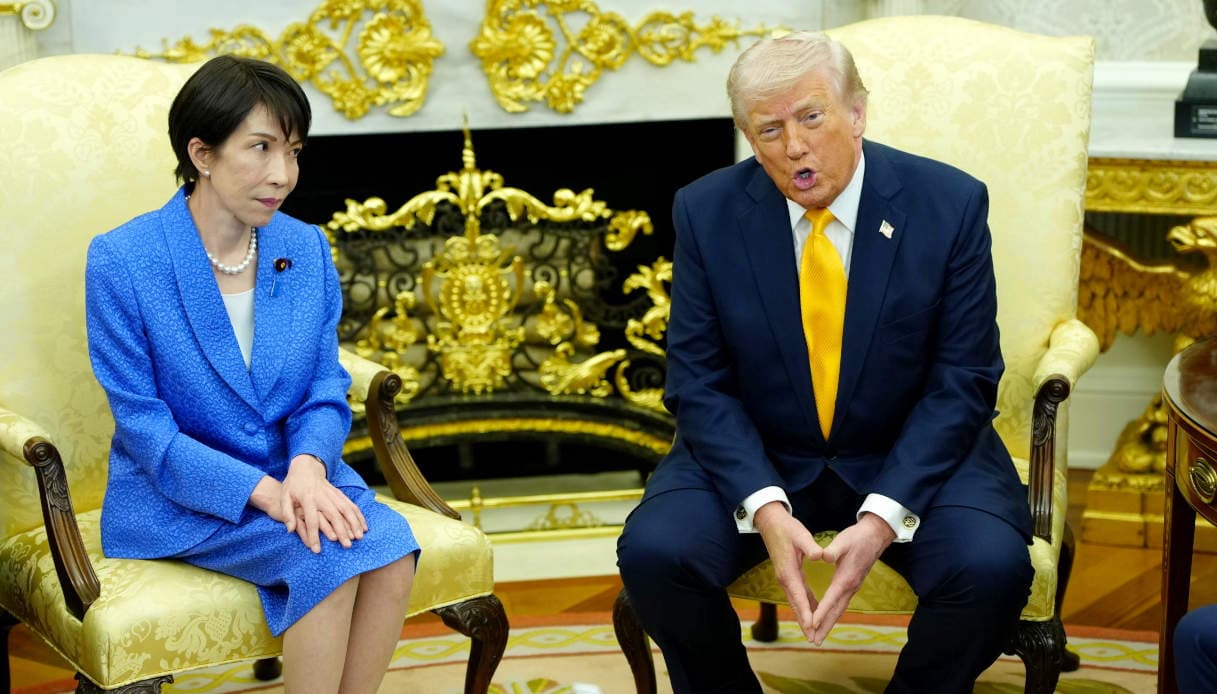
Trump Defends Iran War by Citing Pearl Harbor
12 sources compared