Iran19 March, 20264 min read
President Trump Threatens to Blow Up Iran's South Pars Gas Field Over Qatar Attack
This article is an automated aggregation of coverage from news outlets. Our editorials offer in-depth analysis curated by the NewsCord team.
Trump threatened to massively blow up South Pars gas field if Iran retaliates against Qatar. He said the United States did not know about Israel's planned strike on the field.

Trump's Threat
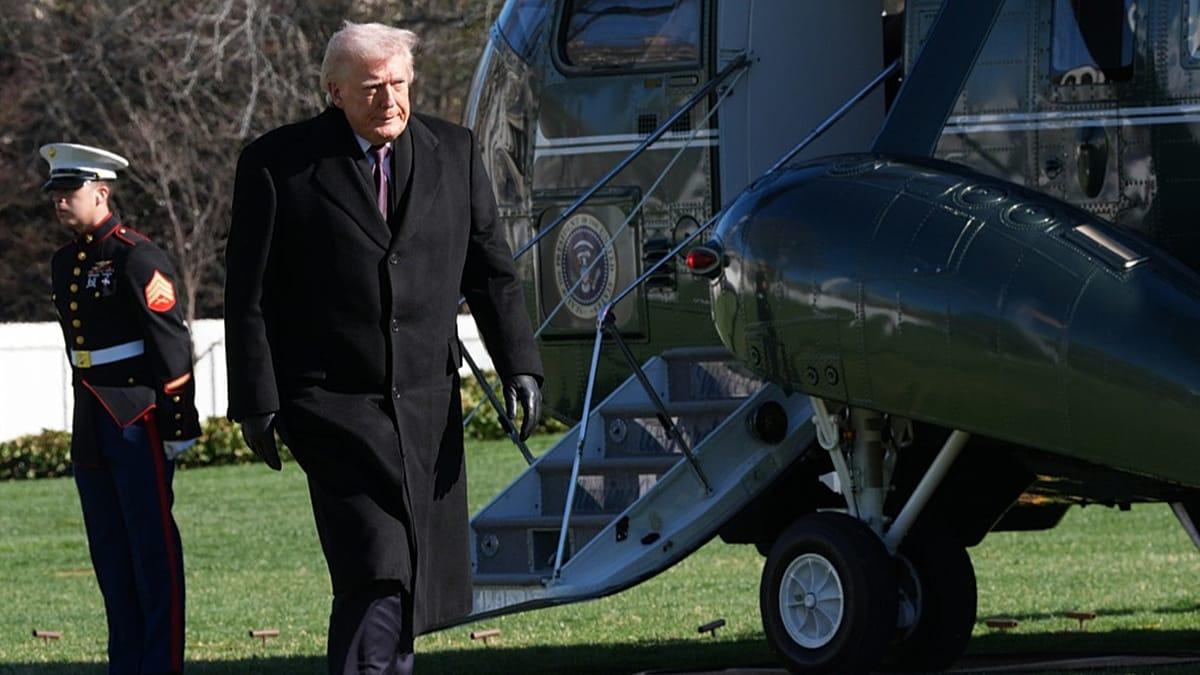
President Donald Trump issued a direct threat to 'massively blow up' Iran's entire South Pars gas field if Tehran continues retaliatory attacks on Qatari energy infrastructure. The threat came after Israeli forces struck the South Pars complex, which is shared between Iran and Qatar, with Trump acknowledging the attack while claiming U.S. ignorance of the operation. In a Truth Social post, Trump asserted that 'the United States knew nothing about this particular attack' and that Qatar was similarly unaware.
“Trump said: 'Israel, out of anger for what has taken place in the Middle East, has violently lashed out at a major facility known as South Pars Gas Field in Iran. A relatively small section of the whole has been hit. The United States knew nothing about this particular attack, and the country of Qatar was in no way, shape, or form, involved with it, nor did it have any idea that it was going to happen.'”
Trump stated that Israel had 'violently lashed out' at the facility 'out of anger for what has taken place in the Middle East.' The South Pars gas field represents a critical asset for Iran's natural gas production. Trump's warning that any future Iranian strikes on Qatar would result in complete destruction of the field marks a significant escalation in the ongoing conflict now approaching its fourth week.
Iran's Retaliation
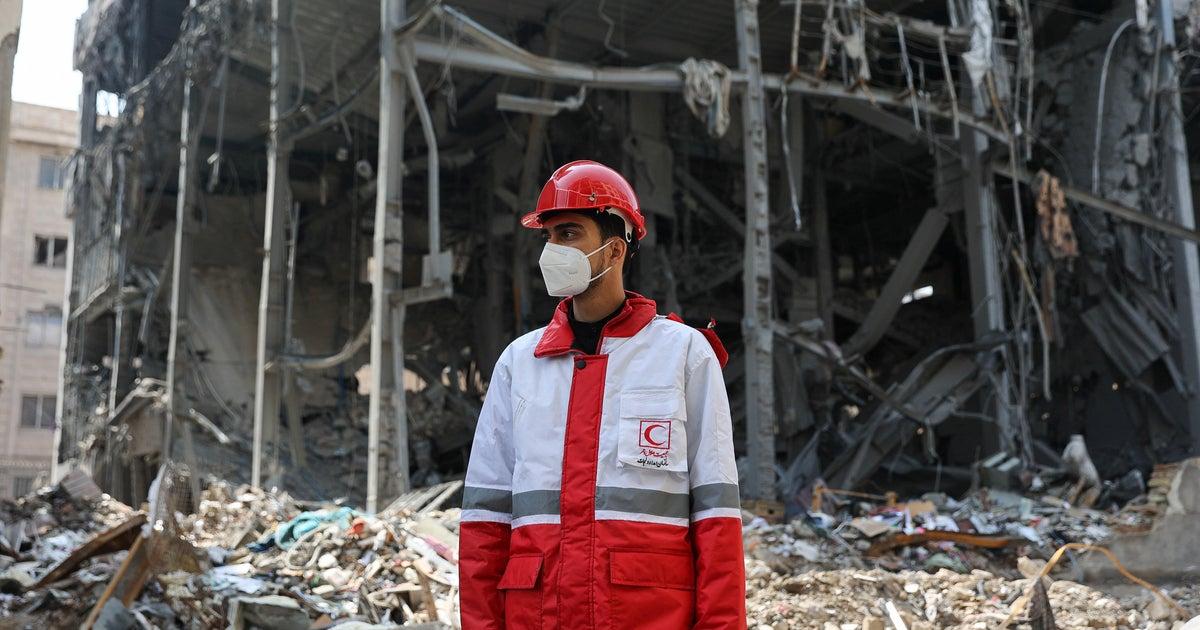
Iran launched retaliatory strikes against energy infrastructure across the Gulf region following the Israeli attack on South Pars. Iran directly targeted Qatar's Ras Laffan Industrial City, one of the world's largest liquefied natural gas export terminals. The Iranian attacks caused 'extensive damage' according to Qatari officials, with QatarEnergy confirming that emergency response teams were deployed to contain resulting fires.
In response, Qatar declared the Iranian Embassy's military attaché, security attaché and everyone working in those two offices persona non grata and expelled them from the country. The Islamic Revolutionary Guard Corps (IRGC) publicly acknowledged the attacks, stating they had begun targeting other countries' energy infrastructure in response to the U.S. and Israel's 'grave error in attacking the energy infrastructure of the Islamic Republic.' The IRGC warned that if such attacks continue, 'the subsequent attacks on your energy infrastructure and that of your allies will not cease until their complete destruction, and our response will be far more severe than tonight's attacks.'

Global Impact
The attacks on energy infrastructure have had immediate global consequences, sending oil prices soaring to $110 per barrel and threatening energy supplies across multiple continents. Ras Laffan, which processes nearly all of Qatar's natural gas, supplies approximately 99% of Pakistan's LNG imports, 70% of Bangladesh's, and over 40% of India's LNG needs. The damage to this critical facility has created supply shocks for countries with limited domestic reserves – Pakistan and Bangladesh each hold only an estimated one to two weeks of LNG reserves, potentially facing power cuts and industrial gas supply reductions.
“Oil prices surged on Wednesday to $110 per barrel, after attacks on energy infrastructure. Iran hit Qatar's Ras Laffan natural gas processing facility twice within 12 hours, causing 'extensive damage.' Nearly all of Qatar's natural gas is processed, liquefied and exported at Ras Laffan. Pakistan and Bangladesh import around 99% and 70% of LNG from Qatar, according to Kpler, an industry data firm.”
Taiwan, which sources about one-third of its LNG from Qatar and holds only 11 days' worth of reserves, has also expressed concern though it claims to have secured supply through March and April. Meanwhile, the conflict has effectively shut off the critical oil and gas shipping route through the Strait of Hormuz, with more than 20 vessels reporting incidents in and around the Persian Gulf since the war began. Two separate vessel attacks were reported early Thursday near Ras Laffan and off the UAE coast, with all crew reported safe.
Regional Reactions
The escalating conflict has drawn strong reactions from regional and international powers, with Saudi Arabia warning it 'reserved the right to take military actions' against Iran if necessary. Saudi Foreign Minister Prince Faisal bin Farhan stated that Iran 'tries to pressure its neighbours' with attacks and that 'what little trust there was before has completely been shattered.' The UAE confirmed that operations at the Habshan gas facility and Bab oil and gas field were temporarily suspended after missile debris fell on the facilities, though no injuries were reported.
French President Emmanuel Macron called for an immediate moratorium on striking civilian infrastructure, particularly energy and water supply facilities, arguing that civilian populations and their needs had to be 'protected from military escalation.' U.S. allies including the U.K. and Japan have been reluctant to join military operations during active combat, with Japan's constitution not permitting the use of its self-defense forces in offensive operations. The geopolitical tensions have been compounded by domestic political developments in the U.S., where the FBI is investigating former National Counterterrorism Center Director Joe Kent for alleged leaks of classified information related to the Iran war.

Escalation Risks
The conflict shows no signs of immediate de-escalation, with House Speaker Mike Johnson declaring that U.S. objectives in Iran targeting missile capabilities and naval forces have 'been met' and the effort is 'virtually accomplished now.'
“Speaker Johnson says Iran objectives 'just about accomplished,' says cost of war can't be calculated while still ongoing House Speaker Mike Johnson told reporters on Wednesday, 'The mission [in Iran] is just about accomplished, and I believe it will come to a close very soon.' Johnson said the objectives targeting Iran's missile capabilities and naval forces have 'been met,' and the effort is 'virtually accomplished now.'”
However, Johnson acknowledged continued tensions in the Strait of Hormuz as a factor prolonging the conflict, calling it 'pretty absurd' that requests for other countries to play a larger role in securing the waterway were rebuffed.
Meanwhile, Israel's Defense Minister Israel Katz promised more 'surprises' after announcing the killing of Iran's intelligence minister, Esmail Khatib, in an airstrike, suggesting a strategy of leadership decapitation in Tehran.
Iran's President Masoud Pezeshkian has warned of 'uncontrollable consequences' that 'could engulf the entire world' in response to the escalating violence.
The USS Gerald R. Ford aircraft carrier has been sidelined heading to a U.S. Navy base in Greece for repairs after a fire broke out on board, further complicating U.S. naval operations in the region.
The conflict enters its third week with no clear resolution in sight as tensions continue to escalate across the Middle East.