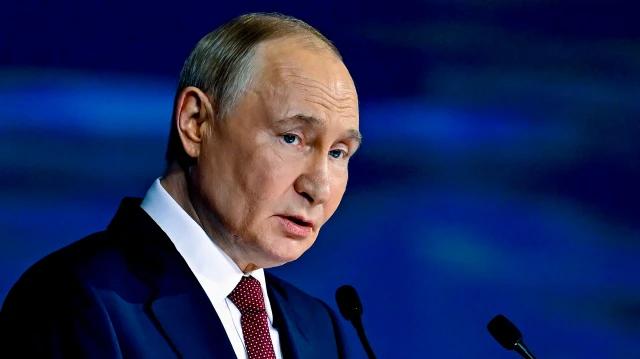
Putin Confirms Russia Talks To Import Gasoline After Ukrainian Drone Strikes Disrupt Fuel Production
Key Takeaways
- Putin acknowledged fuel shortages in Russia caused by Ukrainian drone strikes on energy infrastructure.
- Russia is in talks to import gasoline from abroad to address the shortages.
- Ukrainian drone strikes targeted oil facilities, causing fires and disrupting Russia's refining capacity.
Putin admits fuel strain
Ukrainian drone strikes have disrupted Vladimir Putin’s country’s ability to produce fuel, prompting the Kremlin to confirm Tuesday that Russia is in talks to import gasoline from abroad.
“Ukrainian strike sets fire to oil refinery in southern Russia Ukraine has intensified its drone attacks on Russia, setting fire to a major oil refinery in the south and killing at least two people, according to Russian authorities KYIV, Ukraine -- Ukraine kept up its heavy drone assault on Russia, setting fire to a major oil refinery in the south, as President Vladimir Putin acknowledged for the first time on Sunday that the country was facing a “certain deficit” of fuel and vowed to strengthen protection of oil facilities and boost fuel output”
Putin said in an interview published by the Kremlin on Sunday that “Right now we’re observing a certain shortage, but it’s not critical,” and he added that the priority was to improve air defences and protect fuel supplies, particularly in Russian-occupied Crimea.

The Kremlin spokesperson Dmitry Peskov told reporters that “Discussions are actively being held,” and he said imports would proceed if agreements could be reached “at acceptable price points.”
Putin also said national gasoline reserves have fallen to 1.7 million metric tons, around 4 percent lower than a year ago, as fuel rationing prompted by the supply squeeze spread across several Russian regions and in occupied Crimea.
Crimea’s shortages and rationing
In Sevastopol, Crimea, Olesya said she and friends spent hours trying to obtain a QR code that would allow her to buy just 20 liters (5.3 gallons) of gasoline.
She described the scramble for access in a quote to The Moscow Times: “There were 10 of us sitting there, hoping one of us would get a code,” as authorities in Sevastopol tightened fuel restrictions over the past month.

The Moscow Times reported that Sergei Aksyonov and Mikhail Razvozhayev declared a state of emergency last week without specifying how long it would remain in place, while residents said fuel has become scarce and rolling blackouts and water shortages are now routine.
In the same reporting, a Crimean resident named Anna asked on Governor Aksyonov’s social media posts, “When will the fuel problems be resolved?” as some residents traveled to southern Russia to buy gasoline and resell it through local messaging groups for as much as 350 rubles ($4.83) per liter.
Attacks, negotiations, and winter risk
Ukraine’s long-range campaign has continued to hit Russian energy infrastructure, with Zelenskyy writing on Telegram that “Our ‘long-range sanctions’ reached two oil refineries in Russia,” after a drone strike sparked a blaze at a refinery in Slavyansk-na-Kubani in Russia’s Krasnodar region.
Putin, meanwhile, said he expects US negotiators to come to Moscow after the active phase on the Iranian track has passed, telling Russian journalist Pavel Zarubin, “We are ready to continue negotiations and ready to continue negotiations and discuss all the details.”
In Ukraine, energy expert Oleksandr Kharchenko told Radio NV on June 30 that it is “practically impossible to guarantee their reliable protection” for coal- and gas-fired power plants, and he warned that Ukraine could face “a fairly serious electricity deficit” this winter.
Kharchenko said the country is preparing to maximize electricity imports from Europe during the winter period, but he said, “Of course, we will restore as much available capacity as possible and prepare for the maximum possible imports from Europe during the winter period,” as the Kremlin’s fuel crisis and Russia’s strikes continue to shape the stakes for both sides.
More on Ukraine War
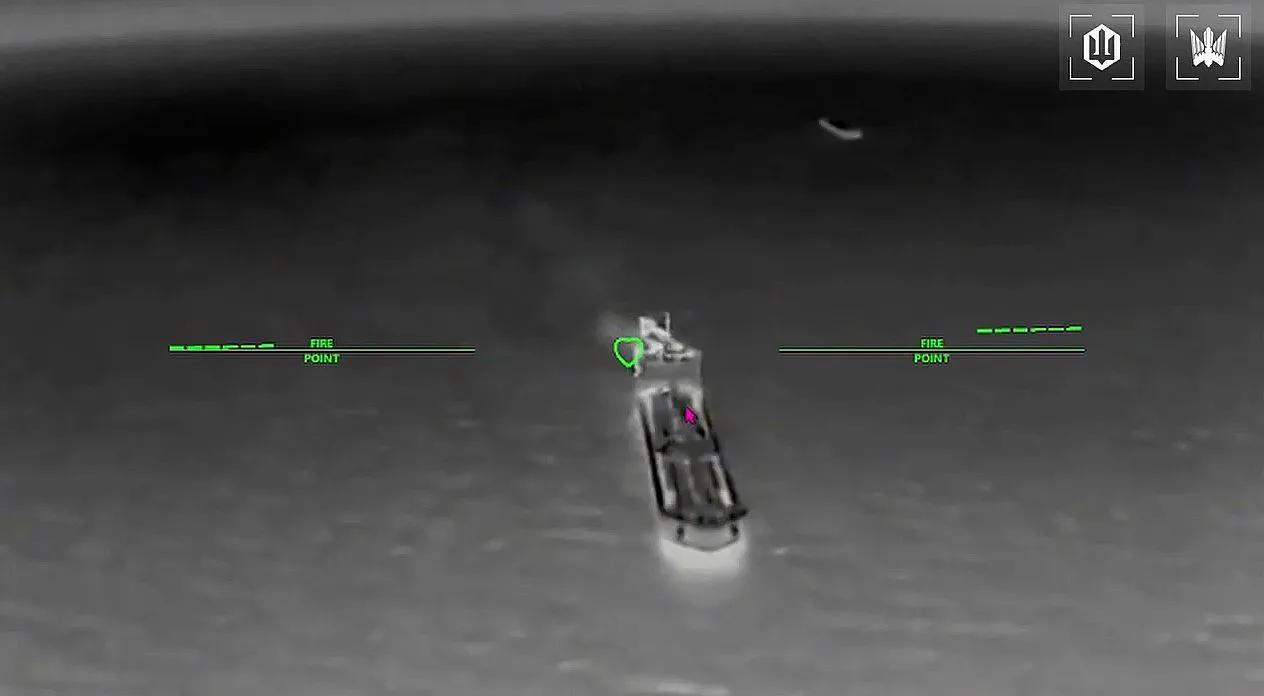
Ukrainian Drones Strike Russian Oil Facilities, Burning Tankers in Sea of Azov
29 sources compared
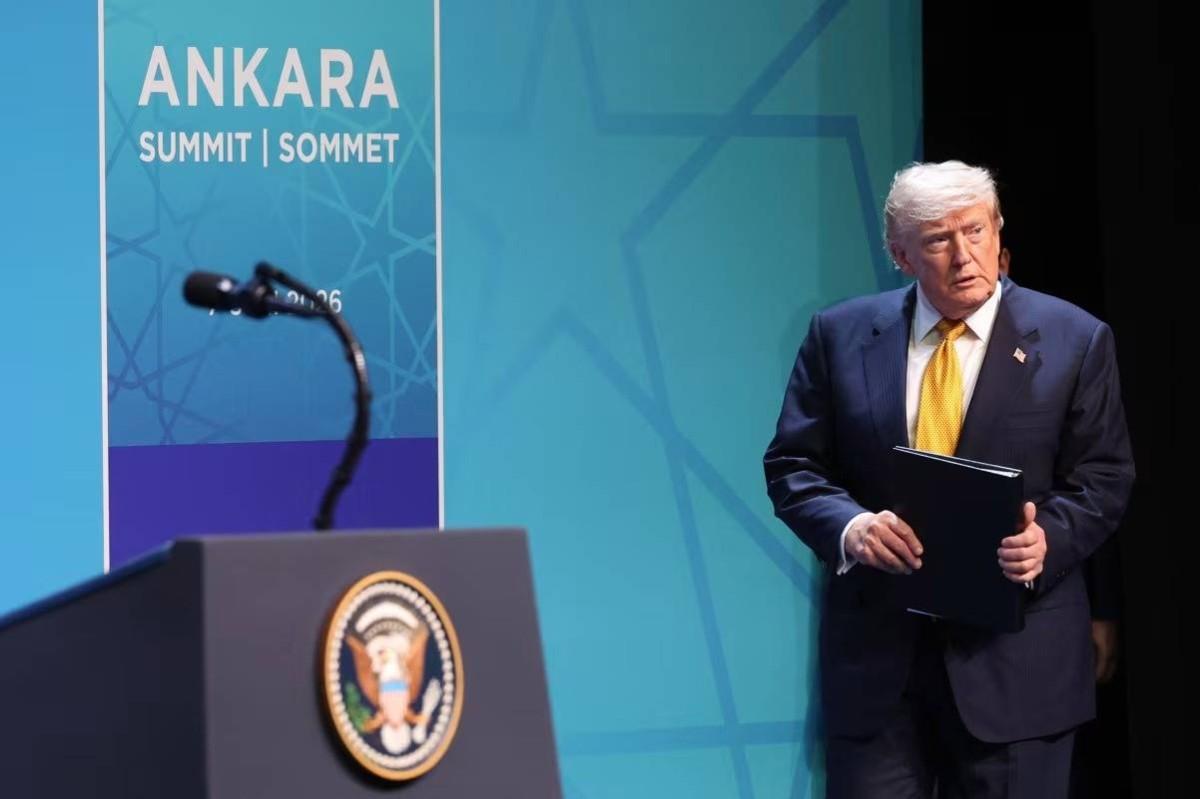
Trump Grants Ukraine License To Manufacture Patriot Missile Interceptors At NATO Summit In Ankara
49 sources compared

NATO Accelerates Anti-Drone Measures, Mark Rutte Says After Defense Ministers Meeting
14 sources compared
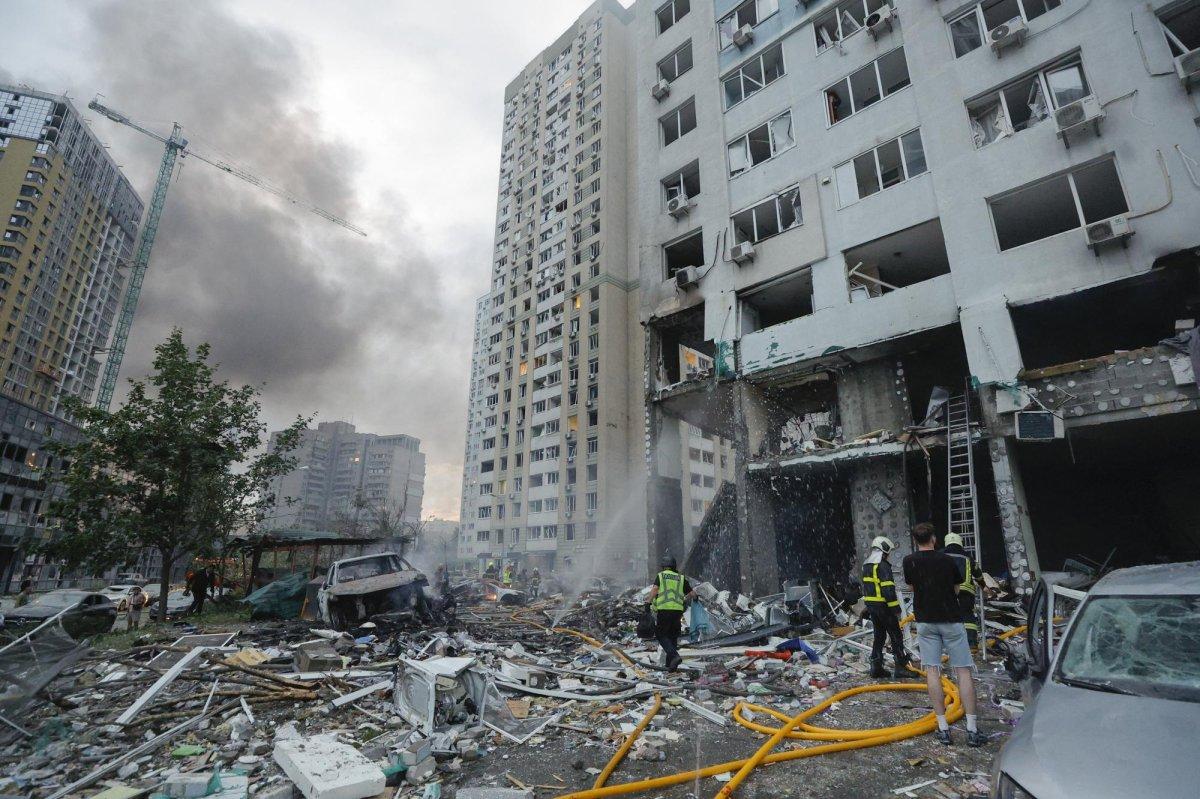
Russian Missile And Drone Attacks Kill At Least 14 In Kyiv Before NATO Summit
26 sources compared