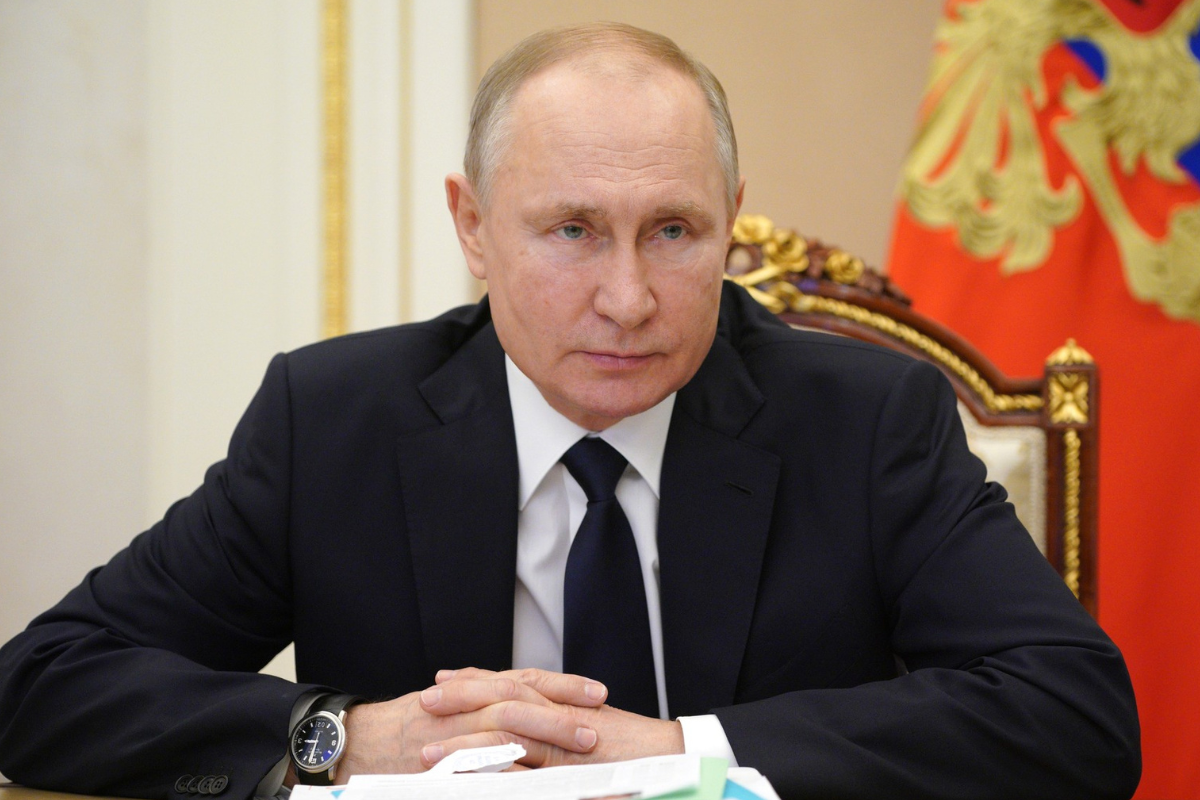
Putin offers to halt intelligence-sharing with Iran if US cuts off Ukraine
Key Takeaways
- Putin proposed halting intelligence-sharing with Iran if the US ends Ukraine support.
- The United States rejected the Russian proposal.
- European allies expressed concern and warned of rising transatlantic tensions.
Putin's Strategic Offer
Russian President Vladimir Putin has made a strategic offer to halt intelligence-sharing with Iran if the United States terminates its intelligence cooperation with Ukraine.
“In an interview with Fox News at the end of last week, Trump hinted at a direct link between the Russian intelligence exchange with Iran and U”
During recent negotiations in Miami between Russian envoy Kirill Dmitrijew and American negotiators Steve Witkoff and Jared Kushner, Moscow proposed refraining from supplying Iran with sensitive intelligence information about American military facilities in the Middle East.
This offer comes in exchange for Washington ceasing to share intelligence about Russia with Ukraine.
This proposal comes amid heightened tensions in both the Middle Eastern and Eastern European theaters.
Russia seeks to leverage its intelligence relationship with Tehran as bargaining chip in the ongoing Ukraine conflict.
The offer reflects Moscow's growing military and intelligence cooperation with Iran, which has expanded significantly since the war in Ukraine began.
US Rejection and NATO Tensions
The Trump administration has firmly rejected Russia's proposal to trade intelligence cooperation in the Middle East for Ukraine support.
President Donald Trump expressed particular frustration over European allies' refusal to contribute naval forces to secure the Strait of Hormuz.
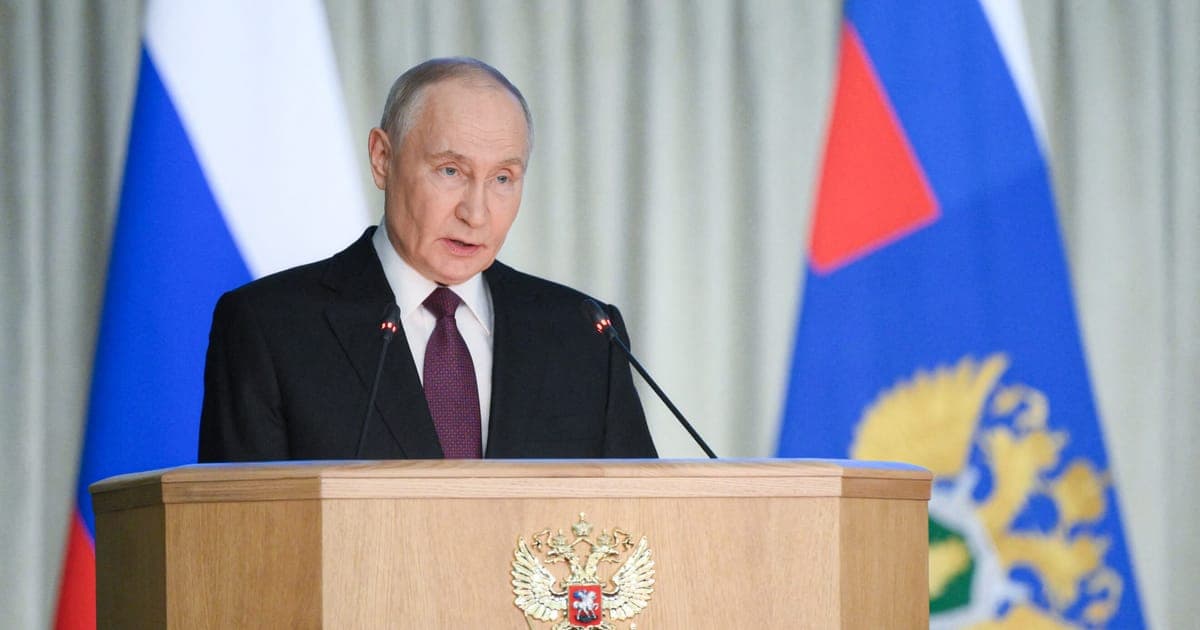
Trump lambasted his NATO allies as "COWARDS" during public remarks, warning that "we will REMEMBER!"
He hinted at a direct link between Russian intelligence exchange with Iran and U.S. aid to Ukraine.
The White House declined to comment on the intelligence proposal, while the Russian Embassy in Washington did not respond to requests for clarification.
An EU diplomat described the Russian proposal as "outrageous," reflecting European concerns that Moscow is attempting to drive a wedge between Europe and the United States.
Russia-Iran Military Partnership
Russia has significantly expanded its intelligence-sharing and military cooperation with Iran since the war in Ukraine began.
Moscow is providing satellite imagery and drone technology to help Tehran target U.S. forces in the region.
This deepening military partnership between Moscow and Tehran has become a focal point of international concern.
The partnership impacts U.S. military operations in the Middle East.
The Wall Street Journal first reported the increase in cooperation between the two nations.
Sources indicate that Moscow is providing critical intelligence support to Tehran.
The Kremlin has dismissed these reports as "fake news," though the intelligence community continues to monitor the relationship with alarm.
This Russian-Iran alignment represents a significant strategic challenge for U.S. interests in both Eastern Europe and the Middle East simultaneously.
European Diplomatic Concerns
European diplomats remain deeply concerned that the Russian proposal reflects a broader strategy to sideline Europe in potential peace negotiations for Ukraine.
They view the intelligence exchange offer as an attempt to create a bilateral deal between Washington and Moscow at Ukraine's expense.
The proposed agreement is likely to fuel growing suspicions in Europe that the Witkoff-Dmitriev meetings are not delivering concrete progress toward a peace agreement in Ukraine.
Instead, these meetings are seen by Moscow as a chance to lure Washington into a deal between the two powers that leaves Europe on the sidelines.
This concern is amplified by the fact that Russia has made various proposals about Iran to the U.S., all of which have been rejected.
Moscow is actively exploring ways to pressure the Trump administration through its Middle Eastern relationships.
The timing of these developments occurs as the Kremlin stated that U.S.-mediated Ukraine peace talks are "on hold," further complicating the diplomatic landscape.
More on Iran

Iranian missiles strike Dimona and Arad, injuring over 100.
47 sources compared
Israel and U.S. Strike Natanz Nuclear Facility Again; Iran Blames Attack
69 sources compared

Iran Attacks Diego Garcia with Long-Range Missiles, Targeting U.S.-UK Base
82 sources compared
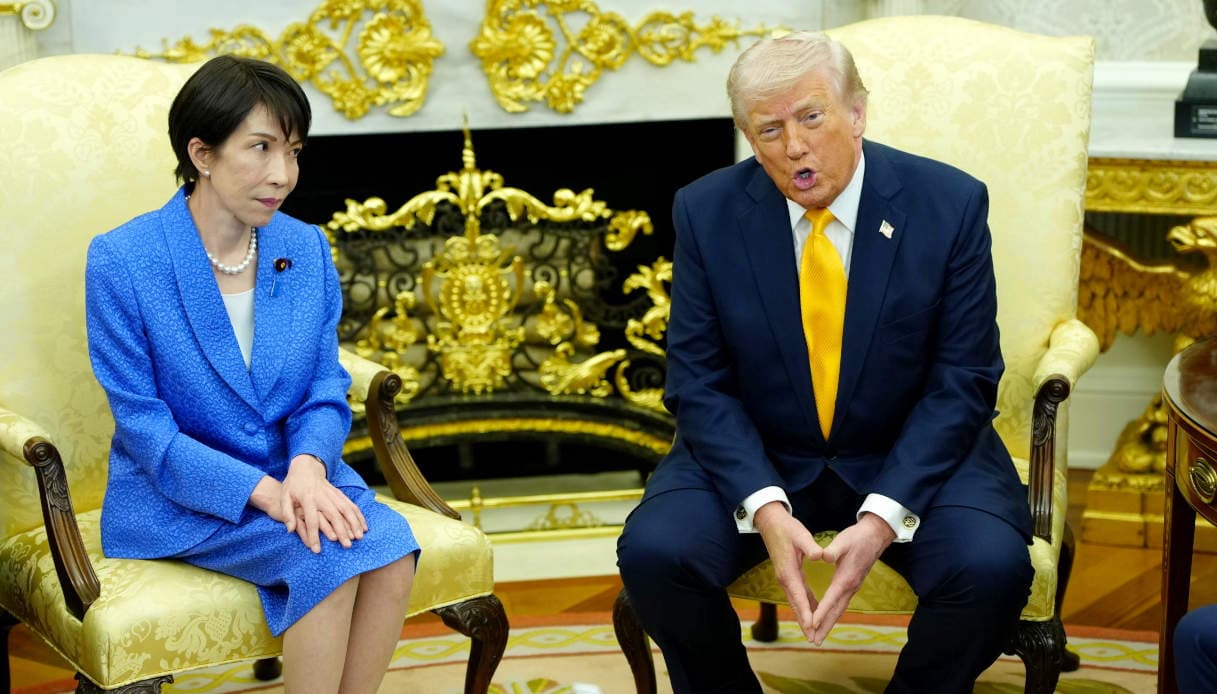
Trump Defends Iran War by Citing Pearl Harbor
12 sources compared