Ukraine War25 October, 20253 min read
Putin Refuses to End War as Western Leaders Rally Support for Ukraine Offensive
Putin refuses peace talks and continues defending Russia's invasion despite sanctions. Western leaders pledge increased military aid, including long-range weapons, to support Ukraine.

10 outlets told this the same way.
Outlets did split on Russian Attack Kills At Least 33 On Two Buses In Kramatorsk →
Western Support for Ukraine
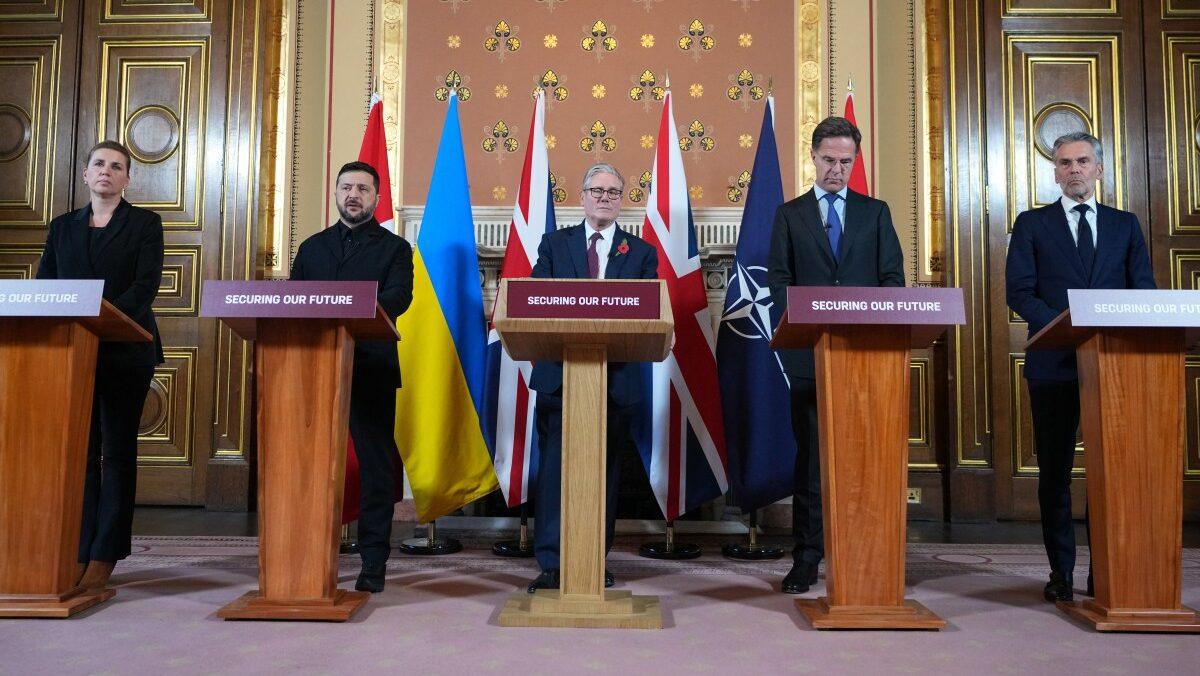
Western and allied leaders rallied in London to tighten pressure on Moscow and bolster Ukraine as Vladimir Putin refuses to end the war. Coverage converges on a packed agenda: sanctions, a planned reparations loan backed by frozen Russian assets, winter energy support, and stronger air defenses. Reports note Putin’s defiance and rejection of peace talks.
“European and allied leaders, led by UK Prime Minister Keir Starmer, convened in London on October 24, 2025, to coordinate enhanced support for Ukraine and increase pressure on Russia amid the ongoing conflict.”
Volodymyr Zelenskyy visited London and met with European leaders and NATO’s Mark Rutte. King Charles hosted Zelenskyy at Windsor as leaders coordinated measures amid frustration over Moscow’s stance.
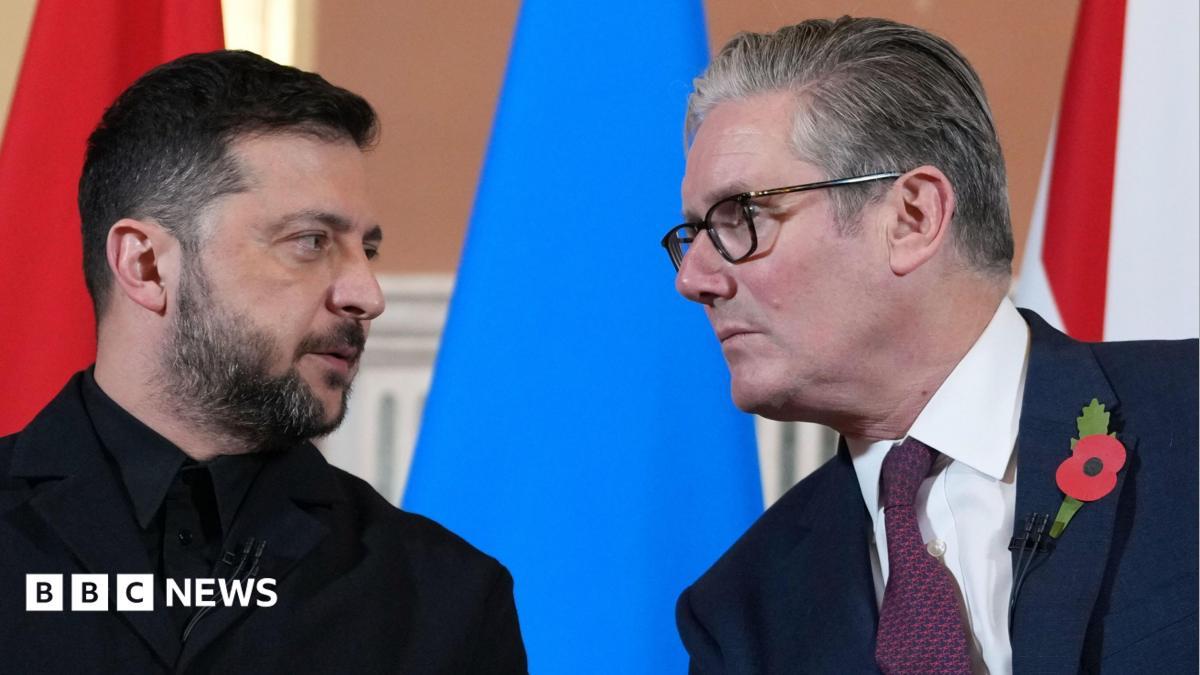
Several outlets stress that sanctions now target Russia’s vital oil and gas revenues. Putin continues to justify the invasion and exploit loopholes, underscoring why governments say they must intensify pressure.
Sanctions and Military Support Updates
Sanctions and financing dominated the agenda. Leaders pushed forward a reparations loan backed by frozen Russian assets. Zelensky hopes Ukraine can access funds by early next year.
Denmark flagged technical hurdles and a decision target before Christmas. NATO’s Mark Rutte said choices on supplying long‑range Tomahawk missiles rest with Washington. Allies discussed accelerating missile production and deliveries.
Alongside US actions targeting Russian oil firms, the EU rolled out new measures hitting 45 companies. Some of these companies are located in China, Thailand, and India. Moscow condemned the measures as overreach and “blackmail.”
Conflict Updates and Strikes
On the ground and in the air, coverage depicts intensifying pressure. West Asian outlet Naharnet describes a brutal, high-casualty war, reporting Russian claims of advances in Donetsk, mass drone shoot‑downs, artillery strikes on residential areas, and first‑time glide‑bomb use in the Odesa region. Western mainstream outlets spotlight Ukrainian strikes and Russia’s vulnerability.
“The war between Russia and Ukraine continues as a brutal, high-casualty conflict.”
Sky News relays a fire at the Ryazan oil refinery after a Ukrainian drone attack. The Guardian notes Ukraine is targeting Russia’s oil sector with drones and missiles. Sky News also reports Russian glide‑bomb attacks on Kharkiv injuring civilians, underscoring the continued bombardment of cities and infrastructure.
Diplomatic Responses to Russia
On diplomacy, sources are divided between dialogue and denunciation. El País features former Ukrainian president Viktor Yushchenko condemning any appeasement, calling Putin a “criminal” and arguing that negotiations are futile because peace would threaten Putin’s power and even his physical survival. The Guardian highlights Western leaders’ position that Russia alone rejects a ceasefire and notes that sanctions are putting pressure on Putin.
SCMP emphasizes Putin’s refusal of peace talks and his efforts to evade sanctions. However, Sky News and The Guardian also report that Putin’s envoy Kirill Dmitriev visited the US for talks, stressing the importance of dialogue. This shows that, even as leaders condemn Moscow, back-channel or exploratory contacts continue.

International Support for Ukraine
Allies presented sustained support as strategically essential, even as some admitted missteps. European Conservative highlights long‑term security guarantees and argues Ukraine’s future is pivotal to European and global security. The Guardian says sanctions are pressuring Putin amid limited battlefield progress.
“NATO and European leaders highlighted Putin’s diminishing resources and reluctance to pursue peace, reaffirming their commitment to long-term security guarantees and sustained military and financial aid to Ukraine, underscoring that Ukraine’s future is vital to European and global security.”
The BBC reflects self‑critique—Frederiksen conceded the EU’s oil cutoff came late—alongside practical coordination challenges and widening participation, including Japan’s new prime minister. Sky News suggests the coalition is evolving from offering security guarantees to potentially policing ceasefires and peace deals, signaling a shift from ad‑hoc aid to shaping any eventual settlement.
