Ukraine Warupdated 15m ago3 min read
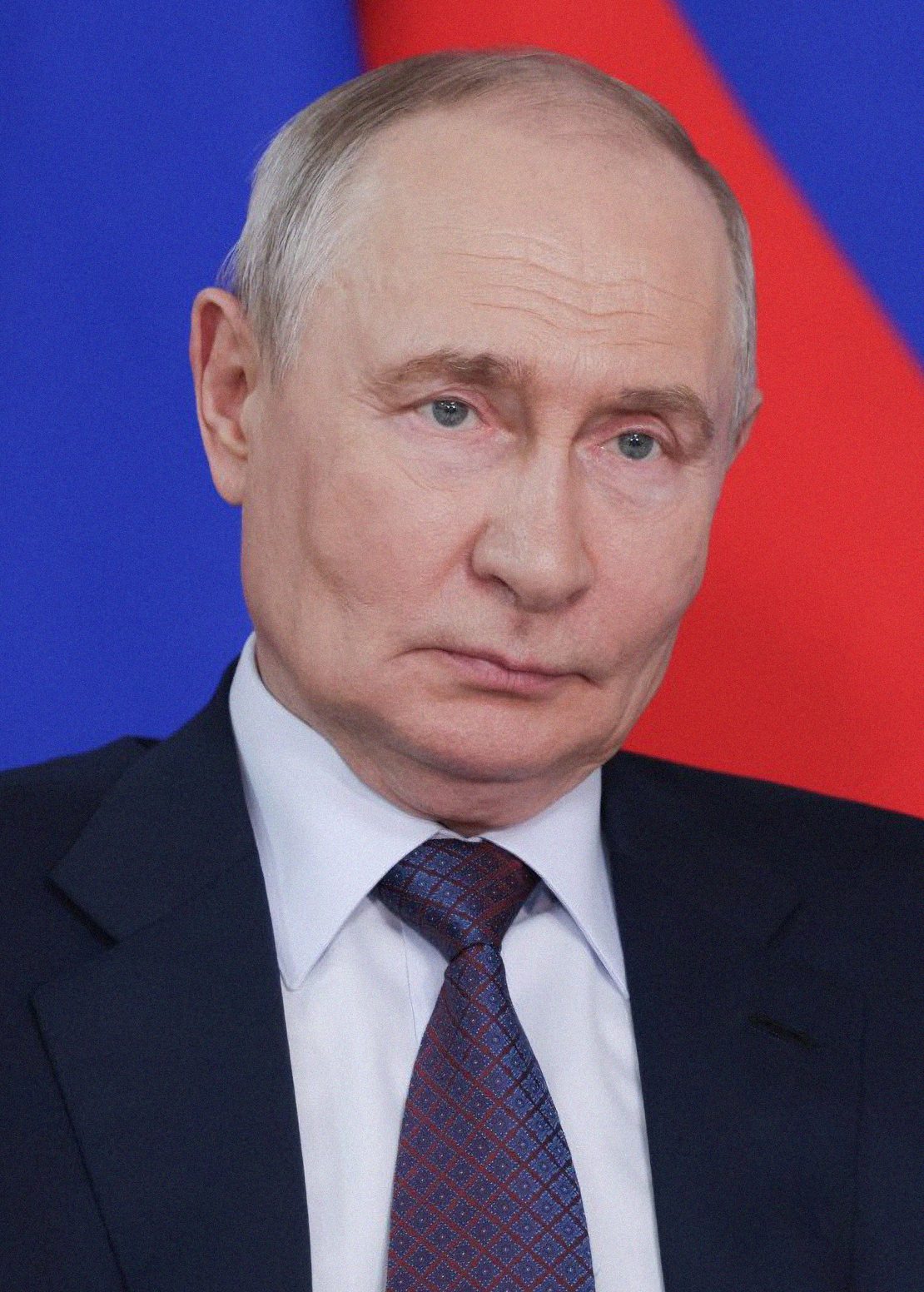
Archive photo · 10 August 2026Putin Says Russia Won’t Negotiate Ceasefire After Crimea Bridge Attacks, Invites Europeans to Moscow
“‘we will not be negotiating’ any partial cease-fire with Ukraine”
“Putin also rejected a ceasefire in Ukraine and accused Kyiv of starting the war.”
Photo: Kremlin.ru, CC BY 4.0 · Cropped for layout
This article is an automated aggregation of coverage from news outlets. Our editorials offer in-depth analysis curated by the NewsCord team.
Putin says Russia will not negotiate a cease-fire after the Crimea Bridge attack. He invited European officials to Moscow to discuss their stance in future peace talks.
Save coverage image
Putin rejects ceasefire talks
Russian President Vladimir Putin said Russia “has no desire” to continue fighting in Ukraine, while he blamed Kyiv for the stagnation of negotiations after a tripartite summit in Shenzhen.
“‘We are not opposed (to European participation), but we need to understand what Europe will bring to these talks.”
Putin said Russia would not negotiate a ceasefire of attacks on infrastructure after “the Crimea bridge attacks,” adding, “After the Crimea bridge attacks, we will not negotiate. We will respond to these attacks,” at a press conference in Shenzhen.
Putin also said the Ukrainian army attacked the Crimea bridge for the third time this week, hours before the summit among the leaders of Russia, the United States, and China in Shenzhen.
Putin framed Russia’s position on security guarantees by saying, “Simply, Russia’s security must be guaranteed,” and he urged acceptance of “reality on the ground” as a basis for any agreement.
Putin described the trilateral meeting as “a page in the history of diplomacy,” and he called it “very useful” during the same Shenzhen press conference.
Europe invited, format undecided
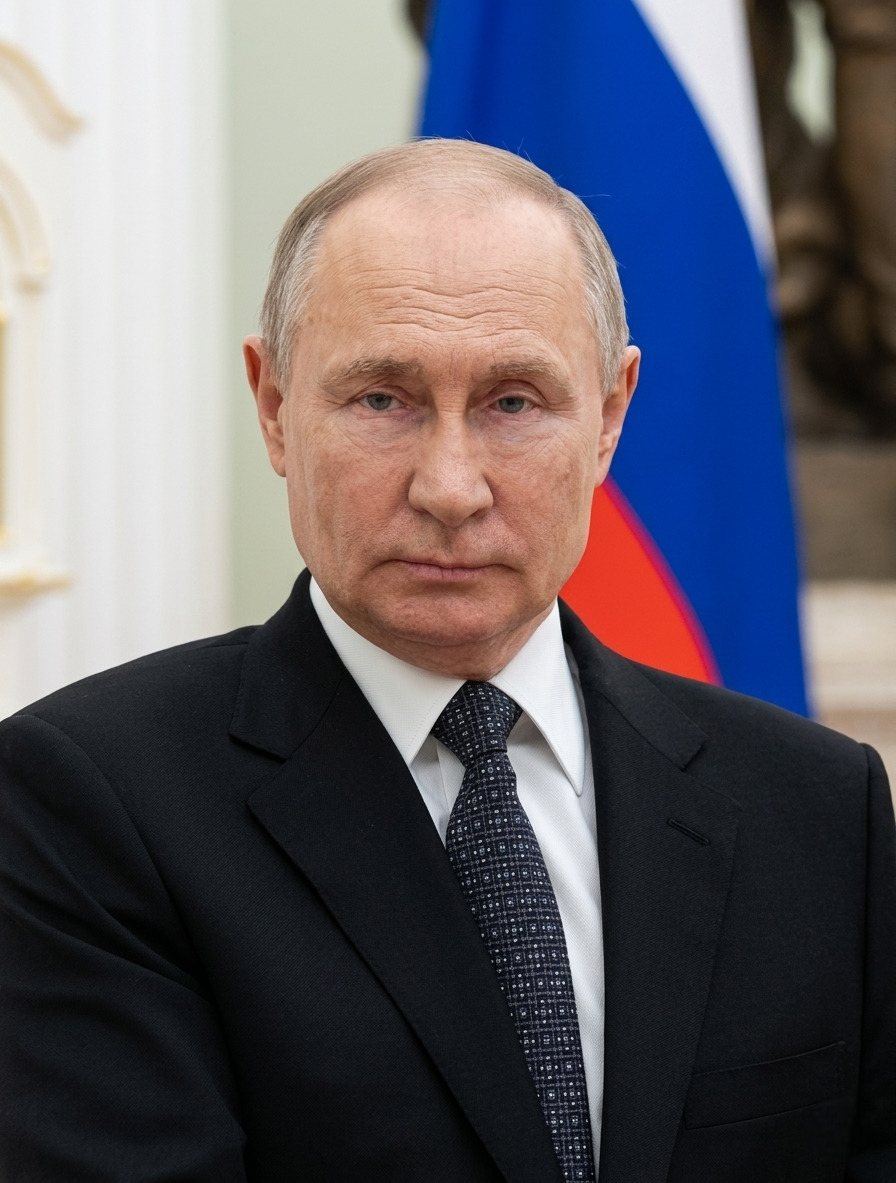
Putin said Russia invited European Union representatives to Moscow to clarify the agenda for future rounds of peace negotiations, telling reporters in Shenzhen, “We have to understand with what (agenda) Europe will participate in those peace negotiations.” Putin added that Russia would then decide “in which format the talks will continue,” after the proposed visit of Europeans to the Russian capital. Putin said the United States “continuously” insists that Russia accept EU representatives at the dialogue table on Ukraine, and he said he had spoken by phone with the leaders of Finland and Sweden, who were criticized by other European representatives for that step.
Kyiv Post reported that Putin said “We understand that discussing security issues, including security in Europe, without Europeans is pointless,” and the Kremlin spokesman Dmitry Peskov said Moscow would not yet disclose the proposed participants. Putin also said Russia has not yet given approval for the EU to have a seat in future rounds, while he argued European countries are part of the conflict due to their shipment of weapons to the Ukrainian side.
Retaliation threat and next steps
Putin warned that Russia’s response to the Crimea bridge attacks would be “much more painful” than what he said Ukraine caused to that infrastructure, and he said, “Our response will be much more painful compared to what the Kiev regime did to the bridge.” The New York Times reported that Putin said “we will not be negotiating” any partial cease-fire with Ukraine after Kyiv’s attacks this week on the only bridge linking Russia to Crimea, and it said he vowed painful retaliation. Putin said he had been discussing with his security council the possibility of a cease-fire on shipping in the Black Sea or a halt to strikes on energy infrastructure, but he said any such possibility was now off the table.
Putin also said Russia invited Europeans to Moscow before it decides how to proceed, and he described the invitation as part of determining the format for continuing dialogue with Ukraine. The sources also described that Russian, Ukrainian and US officials held talks in Abu Dhabi last week for the first time in nine months, and that Moscow and Kyiv agreed to a major prisoner exchange, with little else in the way of concrete breakthroughs.