Radio Free Europe/Radio Liberty
Putin Touts Successful Tests Of Nuclear-Powered Burevestnik Missile
 The Daily Gazette
Russia says successfully tested new nuclear-capable cruise missile
 AnewZ
AnewZRussia tested new nuclear-powered Burevestnik cruise missile
 Hindustan Times
Trump's first reaction to Putin's new nuclear missile which can fly 14,000 km| Burevestnik| Russia | Hindustan Times
 The Kyiv Independent
Russia says it tested nuclear-powered Burevestnik cruise missile
 NewsBreak
Russia tested new nuclear-powered Burevestnik cruise missile
 BreakingNews.ie
Putin says Russia has tested new nuclear-capable missile
 The Indian Express
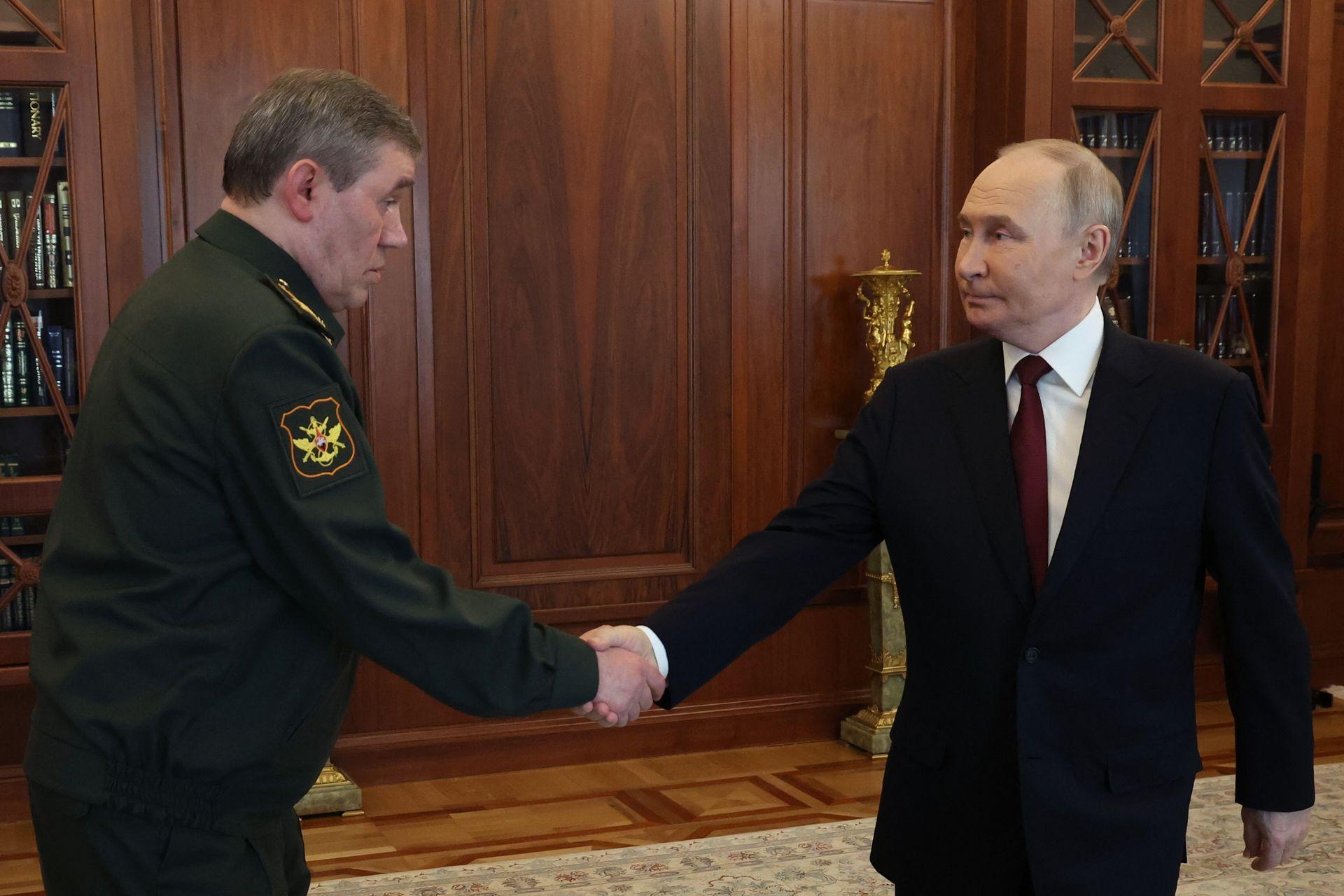
Russia tests new nuclear-power capable cruise missile, Putin and top general say
 Newsweek
Putin Hails ‘Unique’ Nuclear-Powered Cruise Missile After Latest Test
 Novinite
Putin Boasts of His 'Burevestnik' Missile, Trump Claps Back: 'We’ve Got a Nuke Right Off Your Coast'
 kurdistan24.net
Putin Announces Successful Test of New Nuclear-Capable Missile
 The Moscow Times
Putin Says Russia Successfully Tested 'Burevestnik' Nuclear-Powered Missile
 Latest news from Azerbaijan
Vladimir Putin unveils test of new ‘invincible’ nuclear-powered missile
 MILMAG
Russia Resumes Tests of the Nuclear-Powered 9M730 Burevestnik Missile
 The Daily Advertiser
Russia tests new nuclear-powered cruise missile
 The Guardian
Ukraine war briefing: Russia claims test of nuclear-powered missile condemned as ‘flying Chornobyl’
 Space War News
Russia's Burevestnik: A Nuclear-Powered Missile That Defies Convention
 Times of India
‘Not appropriate’: Donald Trump slams Russia's nuclear missile test; Putin claimed Burevestnik has 'unlim
 Devdiscourse
Trump vs. Putin: Nuclear Tensions Escalate
 아시아경제
아시아경제Putin Announces Completion of New Nuclear-Powered Cruise Missile Test
 The Straits Times
Russia tests new ‘invincible’ nuclear-powered cruise missile
 India Today
Russia tests new nuclear-powered cruise missile as war with Ukraine drags on
 U.S. News & World Report
Russia Tested New Nuclear-Powered Burevestnik Cruise Missile
 Newsweek
Donald Trump Reacts to Russia’s Nuclear-Capable Burevestnik Missile Test
 Time Magazine
Trump Publicly Rebukes Putin After Russia Says It Tested Nuclear-Powered Missile
 Bay Post-Moruya Examiner
Russia tests new nuclear-powered cruise missile
 U.S. News & World Report
Trump Says Putin Should End the Ukraine War Not Test Missiles
 The Hindu
Russia tested new nuclear-powered cruise missile, says top General
 Hürriyet Daily News
Putin says Russia successfully tested new nuclear-capable cruise missile
 Mint
MintPutin unveils nuclear-powered Burevestnik missile amid Russia-Ukraine war—FAQs on weapon ‘no other country possesses'
 South China Morning Post
Putin: Russia’s new nuclear-powered missile can evade any defence
 Defence Industry Europe
Russia confirms successful test of nuclear-powered, nuclear-armed Burevestnik cruise missile
 Bangladesh Post
Putin says Russia tests new nuclear-capable cruise missile
 SSBCrack
Trump's Condemnation of Russia's Burevestnik Test Signals Heightened U.S.-Russia Tensions
 Washington Post
Trump rebukes Putin for testing new missiles, tells him to end the war
 The New Indian Express
Russia says successfully tested new nuclear-capable cruise missile
 The Mountaineer
Russia says successfully tested new nuclear-capable cruise missile
 AP News
Russia has tested a new nuclear-capable missile, Putin and top general say
 NewsBytes
Russia claims successful test of 'invincible' nuclear-powered cruise missile
 The Independent
Ukraine live: Kyiv strikes Moscow after Putin tests cruise missile
 Herald Sun
Russia says successfully tested new nuclear-capable cruise missile
 India TV News
Russia successfully tests nuclear-powered Burevestnik cruise missile
 UNITED24 Media
Russia Tests “Unlimited‑Range” Burevestnik Nuclear Missile. Here’s What We Know
 Kyiv Post
OPINION: Bad Tech: Russia’s Pursuit of a Nuclear-Powered Doomsday Missile
 South China Morning Post
Putin: Russia’s new nuclear-powered missile can evade any defence
 خبرگزاری برنا
Russia’s new unlimited-range cruise missile can bypass missile defenses
 ANI News
Putin should focus on ending war with Ukraine: Trump after Russia tests Burevestnik nuke-powered missile
 Hindustan Times
Russia tests new nuclear-capable cruise missile: What do we know about Burevestnik? | World News
 The Barents Observer
No radiation measured in Norway after Putin's Burevestnik missile allegedly flew 14,000 km
 Firstpost
‘End Ukraine war instead’: Trump slams Russia's latest nuclear missile test as ‘not appropriate’
 UNITED24 Media
Trump Says US Has Nuclear Submarine Off Russia’s Coast, Shrugging Off Putin’s Missile Test
 theqldr.au
Russia tests new nuclear-powered cruise missile
 Moneycontrol
Russia’s ‘Burevestnik’ nuclear missile test: 14,000 km range, 15-hour flight time | Explained
 The Economic Times
Burevestnik missile's unlimited range and flight time: Putin shows off nuclear-powered monster, exposing T
 Latest news from Azerbaijan
Trump urges Putin to end Ukraine war, not test missiles
 WION
WIONTrump scared of Putin’s new nuclear-powered missile? All about Russia’s ‘Flying Chernobyl’
 NewsBytes
Russia tests long-range nuclear-powered missile as Putin-Trump planned meet fails
 The Japan Times
Putin says Russia tested new nuclear-powered cruise missile
 PressTV
Trump says Russia’s testing of nuclear-powered missile ‘not appropriate’
 Военное дело
Russia’s Burevestnik Nuclear Missile Test Draws Stern Response from Trump
 Dunya News
Russia tested new nuclear-powered Burevestnik cruise missile
 Outlook India
Russia Tests New Nuclear-Powered Burevestnik Cruise Missile, Top General Says
 Українські Національні Новини
Trump: Putin should focus on ending the war, not testing missiles
 Daily Times
Russia tests nuclear-powered missile with ‘unlimited range’
 Mathrubhumi English
‘No one else in the world has it’: Russia announces successful test of nuclear-capable Burevestnik cruise missile
 Yeni Safak English
Trump urges Russia to focus on Ukraine peace, not missiles
 Hunter Valley News
Russia tests new nuclear-powered cruise missile
 Camden Haven Courier
Russia tests new nuclear-powered cruise missile
 AL24 News
Russia Unveils Nuclear-Powered Burevestnik Missile, Putin Calls It “Invincible”
 Business Standard
What is Burevestnik, Russia's newly tested nuclear-powered cruise missile
 News18
Russia Tests Nuclear-Powered Cruise Missile With Unlimited Range Claim: What Is Burevestnik?
 The Straits Times
Trump says Putin should end the Ukraine war not test missiles
 Times of India
‘Nobody in world has’: Putin says Russia tested new nuclear capable cruise missile; soon to be deployed
 Sky News
Vladimir Putin tests new 'invincible' nuclear-powered missile
 The Sun Malaysia
Trump criticises Russia missile test as inappropriate amid Ukraine war
 The Canberra Times
Russia tests new nuclear-powered cruise missile
 DZRH
DZRHRussia tested new nuclear-powered Burevestnik cruise missile
 BusinessLine
Russia tests Burevestnik nuclear-powered missile
 EurAsian Times
Russia Fires World’s 1st Nuke-Powered Cruise Missile, Burevestnik; Putin Calls It A Weapon “No One Else Possesses”
 Australian Broadcasting Corporation
Putin says Russia has a new missile 'nobody else in the world has'
 Agenzia Nova
Putin: "Testing of the new nuclear-powered Burevestnik cruise missile completed."
 edenmagnet.au
Russia tests new nuclear-powered cruise missile
 Business Upturn
Trump criticizes Putin over nuclear missile test, urges focus on ending Ukraine war
 Türkiye Today
Russia completes testing of nuclear-powered Burevestnik cruise missile
 EurAsian Times
Tomahawk Missile Attack On Russia Unlikely Now, Ex-PM Says; Putin’s Missile Testing Not ‘Appropriate’: Trump
 DNA India
Masterstroke by President Putin, Russia successfully tests new nuclear-powered Burevestnik cruise missile, unique to Moscow, capable to pierce...
 The Indian Express
Trump tells Putin to ‘end Ukraine war instead’ after Russia’s nuclear missile test: ‘Not appropriate’
 RBC-Ukraine
'He ought to get the war ended instead of testing missiles.' Trump slams Putin over nuсlear threats
 financialexpress
What is Burevestnik? Putin’s new nuclear-powered cruise missile can travel 14000 km, remain in air for 15 hrs
 Crookwell Gazette
Russia tests new nuclear-powered cruise missile
 The Independent
Ukraine-Russia war latest: Moscow tests new nuclear-powered cruise missile, says Putin’s top general
 ABP Live English
‘End The Ukraine War Instead’: Trump Slams Putin Over Russia’s Burevestnik Test
 The Sun
Russia tests terrifying new 'Flying Chernobyl' super missile, claims Putin
 The Economic Times
Vladimir Putin's stern message to Donald Trump? Russia announces test of nuclear missile that can fly 8,70
 New Atlas
Russia flies strategic cruise missile propelled by a nuclear engine
 Dagens
Putin Announces Final Test of Long-Range Nuclear-Powered Missile
 Associated Press
Putin brandishes a new nuclear-powered missile as he digs in over Russia’s demands on Ukraine