Ukraine Warupdated 30m ago3 min read
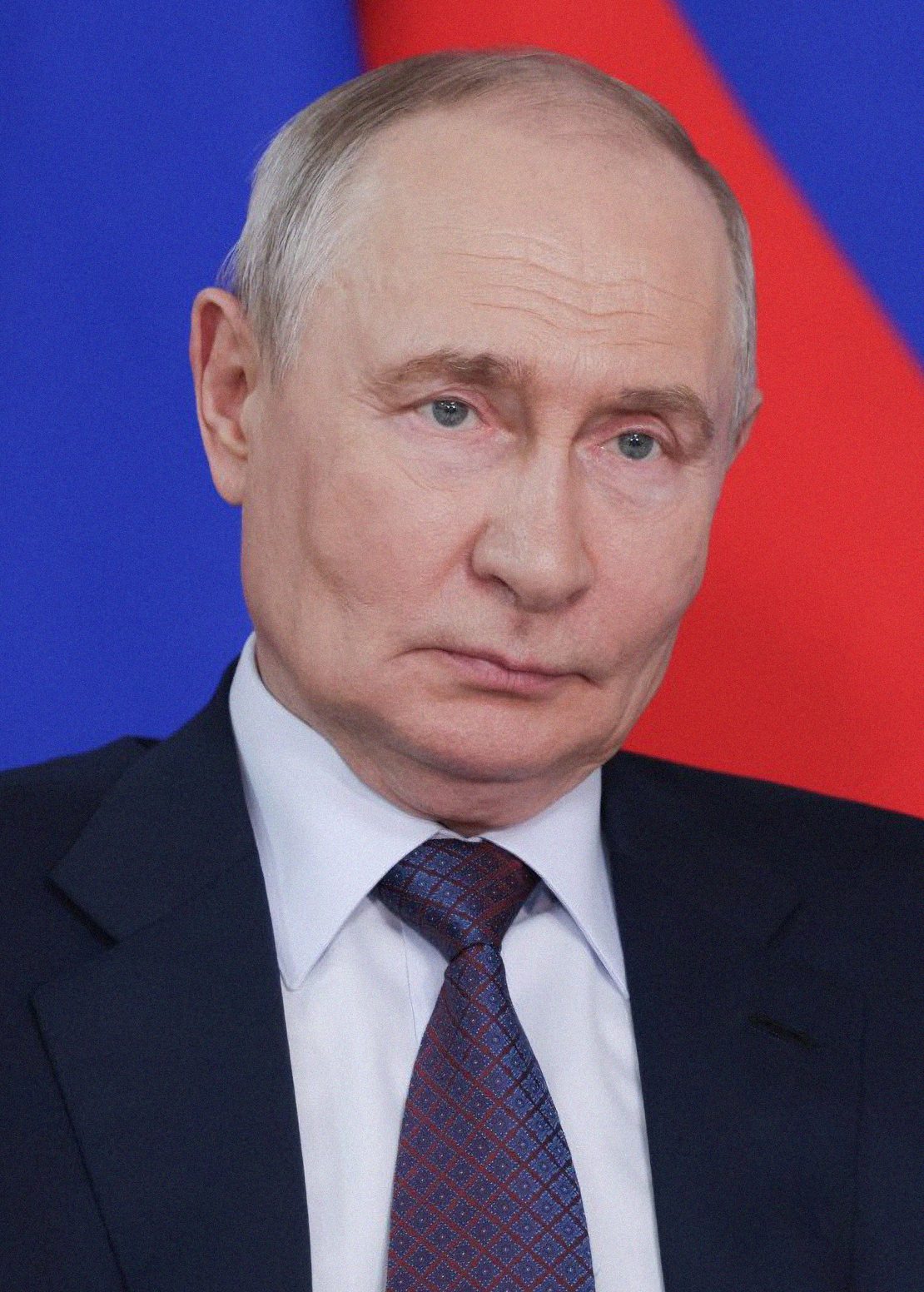
Archive photo · 10 August 2026Putin Warns Europe War Will Resume Immediately If Troops Enforce Ukraine Deal
15 Western Mainstream5 West Asian3 Other3 Other source typesPhoto: Kremlin.ru, CC BY 4.0 · Cropped for layout
This article is an automated aggregation of coverage from news outlets. Our editorials offer in-depth analysis curated by the NewsCord team.
Putin warns war would resume immediately if European troops enforce a peace deal. US envoys Kushner and Witkoff meet Putin in Moscow, then Zelensky in Dublin.
Save coverage image
Abu Dhabi, then threats
Vladimir Putin resumed his push for a wider European security architecture after the Russia, Ukraine and United States talks were interrupted nine months ago, and he agreed to reactivate contact in recent weeks as Donald Trump’s emissaries put the demand on the table. Vladimir Medinsky, the head of the Russian delegation in the Emirates, acknowledged the talks’ outcome by saying, “Many years have passed and, finally, this issue has begun to resonate and be understood: it must be resolved,” while he also argued that the war “has shown that the entire current security system in Europe works very poorly.” Vladimir Putin then warned Europe that the war would “resume immediately” if European countries deployed troops in Ukraine to enforce a future peace agreement, pairing his message with a demand that Ukrainian forces withdraw from the four Ukrainian regions Russia claims to have annexed: Donetsk, Luhansk, Zaporizhzhia and Kherson.
Steve Witkoff and Jared Kushner met Putin in Moscow for about two hours before flying to Dublin to meet Volodymyr Zelenskyy, after the Abu Dhabi talks produced an agreement in principle on another prisoner exchange and a plan to continue talks. Volodymyr Zelenskyy told European leaders that the expanded format was “a little strange,” as the negotiations shifted beyond Ukraine toward European security and NATO’s military posture.
Starshield and European seats
Volodymyr Zelenskyy said Ukraine’s military was again facing “systematic” restrictions to Starlink’s military-grade satellite service, Starshield, and he argued that the disruption was “helping the Russians kill more Ukrainians and carry out more accurate strikes against Ukraine.”
Dmytro Lytvyn told the BBC that Russia wanted the pause to rotate and reinforce its forces, alleging that Moscow had used the earlier humanitarian operation in Oleshky to move equipment and replace troops.
European leaders in Dublin rejected Russia’s attempt to revise the continent’s security architecture, and António Costa declared, “There is no need to reinvent the wheel,” while Kaja Kallas said, “We already have a security architecture [reflected in international treaties].”
Friedrich Merz urged that “Ukraine must sit at the table. Europeans must sit at the table. The Americans and, of course, Russia must sit at the table,” as Jared Kushner argued that “if Europe could designate a single person to speak on its behalf, that would be a greater achievement than getting the Russians to include them in the negotiations.”
Ursula von der Leyen and António Costa insisted in a statement that the EU would continue participating in the talks “in this format,” even as leaders debated who should represent the Twenty-Seven in the negotiations.
What peace would hinge on
Russia’s negotiators framed the dispute in terms of territory and the rejection of “gray zones,” with Vladimir Putin telling the envoys that “For us there is only one ceasefire line: the state border,” and he argued that such an arrangement would make clear “where we are, and where you are.” Vladimir Putin also proposed a temporary humanitarian ceasefire around Kostiantynivka, saying around 400 and 500 civilians still lived there, while Kyiv reacted skeptically through Dmytro Lytvyn’s allegation that Russia wanted the pause to rotate and reinforce its forces.
El Confidencial described the diplomatic meeting as a choice between ceding territory or continuing the conflict, and it quoted Putin warning that after signing peace, Western troops on Ukrainian territory would make the war resume.
The BBC reported that Witkoff said a new round of trilateral talks had already been agreed with Putin, while the peace talks in the Emirates were framed as being centred around European security arrangements in a post-war scenario that still left resolution of the war “distant.” European leaders in Dublin tied the next steps to sequencing, with Kaja Kallas stressing “sequencing” by saying first there should be a ceasefire, then a peace settlement, and only later a discussion on European security architecture.