Africa18 April, 20268 min read
Qatar, U.S., Togo, Switzerland, DRC, and AFC/M23 Make Concrete Progress on Doha Humanitarian Protocol
Montreux talks yielded concrete progress on Doha Framework for humanitarian access and ceasefire monitoring. Agreement to operationalize the ceasefire oversight mechanism and immediate prisoner releases under humanitarian protocol.
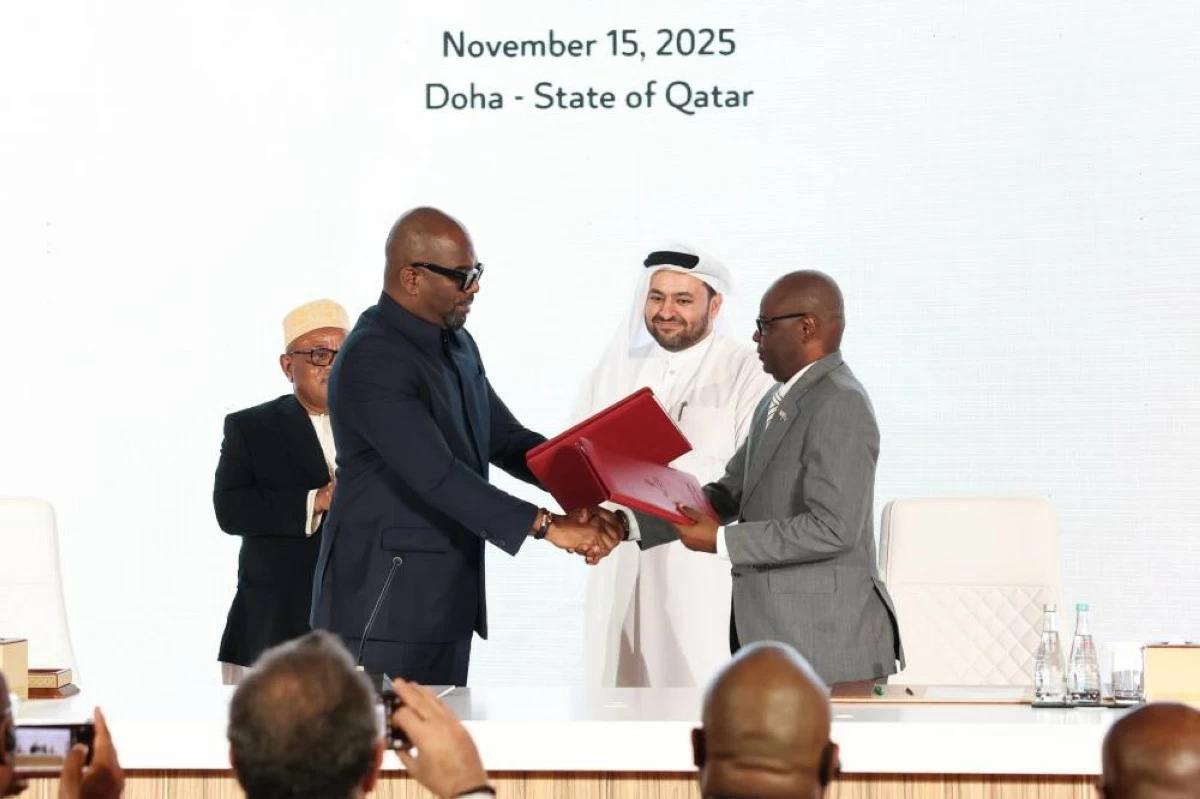
Doha talks in Montreux
A joint statement issued by the State of Qatar, the United States of America, the Republic of Togo (in its capacity as African Union mediator), and Switzerland, alongside the Government of the Democratic Republic of Congo and the Congo River Alliance / March 23 Movement, announced “progress described as ‘concrete’” in the implementation path of the Doha framework agreement aimed at achieving a comprehensive peace settlement in eastern the Democratic Republic of Congo. The statement, released by the Qatari Ministry of Foreign Affairs, followed meetings held in the Swiss city of Montreux from 13 to 17 April, with the participation of the concerned parties and supporting countries, where discussions focused on “the humanitarian access protocol and legal protection.” The parties affirmed that the meetings were held within the framework of monitoring the implementation of the Doha Agreement signed on 15 November 2025, which laid the foundations for a political, security, and humanitarian process aimed at ending the conflict and promoting stability in the Great Lakes region.
In parallel, Mirage News described the same April 13 to April 17 Montreux meetings as convened by representatives from the Government of the Democratic Republic of Congo and the Alliance Fleuve Congo/March 23 Movement (AFC/M23), alongside the United States of America, the State of Qatar, the Republic of Togo, the African Union Commission, and Switzerland. Mirage News said the parties agreed on the “critical importance of ensuring life-saving humanitarian assistance for the people of eastern DRC” and made “substantial progress toward conclusion of a protocol on Humanitarian Access and Judicial Protection.” The Peninsula Qatar similarly framed the Montreux talks as discussions “on the protocol on Humanitarian Access and Judicial Protection” pursuant to the Doha Framework for a Comprehensive Peace Agreement signed in Doha on November 15, 2025, and said the Government of the DRC and AFC/M23 made “substantial progress toward conclusion” of the protocol.

Humanitarian access and law
Across the joint statement texts, the core commitments centered on humanitarian access, legal protection, and restraints on attacks against civilian survival infrastructure in eastern DRC. Al-Jazeera Net said the two sides agreed on “the crucial importance of ensuring life-saving humanitarian assistance reaches civilians in the eastern part of the country,” and described “significant progress toward reaching an integrated protocol governing humanitarian access mechanisms and legal protection.” It also said both sides reaffirmed their full commitment to “the provisions of international humanitarian law, international human rights law, and international refugee law,” stressing the need to protect civilians “without exception.”
The Peninsula Qatar and Mirage News both spelled out the same restraint language, including agreeing to “refrain from any attack, destruction, removal, or rendering useless objects indispensable to the survival of the civilian population,” listing “foodstuffs, agricultural areas for the production of foodstuffs, crops, livestock, drinking water installations and supplies and irrigation works,” and also “hospital and school facilities.” Mirage News added that the parties recognized humanitarian assistance includes “food, nutrition, health care, water, sanitation, and hygiene, shelter,” and that “the protection of civilians remains paramount during the conduct of hostilities.” In Social News XYZ, the same April 13 to 17 Montreux meetings were described as producing “substantial progress” toward concluding a protocol, with the parties pledging “to release prisoners within 10 days” under previously established arrangements, alongside pledges to facilitate “rapid, safe, sustainable, and unhindered humanitarian access.”
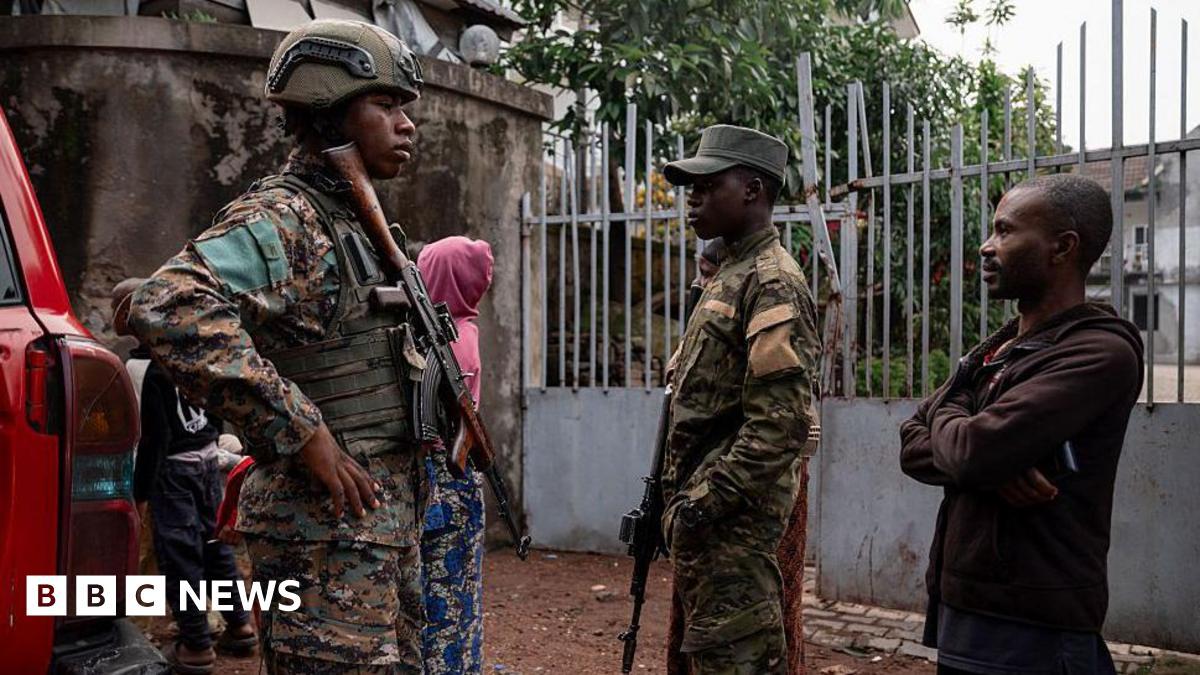
Ceasefire oversight and prisoners
The Montreux agreement also moved beyond humanitarian access into ceasefire monitoring and prisoner releases, with multiple outlets describing an expanded verification mechanism and a timeline for releasing detainees. Al-Jazeera Net said that “In an important institutional development,” the two sides, together with the International Conference on the Great Lakes Region, signed a memorandum of understanding to activate the expanded Joint Verification Mechanism, enabling the operation of the ceasefire monitoring mechanism derived from the Doha framework agreement. It said this mechanism aims to conduct “monitoring, verification, and reporting on compliance with the permanent ceasefire,” with “initial verification missions to be launched within a week,” supported by the United Nations Stabilization Mission in the Democratic Republic of Congo (MONUSCO).
Al-Jazeera Net also reported that the two sides agreed on the “immediate and unconditional release of prisoners” under a mechanism agreed since September 2025, under the supervision of the International Committee of the Red Cross. Mirage News described the same institutional step as operationalizing the Expanded Joint Verification Mechanism Plus (EJVM+), stating that it allows the Ceasefire Oversight and Verification Mechanism (COVM) to begin “surveillance, monitoring, verification, and reporting” on the implementation of the permanent ceasefire. Social News XYZ, citing Xinhua, added a different framing of the prisoner timeline, saying the two sides agreed to release prisoners “within 10 days” under previously established arrangements, while DW described a monthly virtual meeting cadence for the Joint Mechanism.
Voices and skepticism
While the joint statement texts emphasized commitments, DW and Social News XYZ added voices that questioned how effectively the ceasefire and monitoring would work on the ground.
DW quoted Philippe Doudou Kaganda, scientific director of the Center for Research and Study on Conflicts and Peace in the Great Lakes region, recalling that “the ceasefire depends on the goodwill of both parties,” and explaining: “This new agreement will not in itself be a force as long as the parties involved do not have sufficient good faith, sufficient willingness to move toward peace, given that despite this, we are witnessing a resumption of fighting in several areas between the AFC-M23 and the FARDC.”
DW also quoted Bob Kabamba, a lecturer at the University of Liège in Belgium, asking: “Who will fund this entire ceasefire process? Beyond this funding, we are talking about MONUSCO,” and warning, “MONUSCO faces enormous funding difficulties. It is in the process of downsizing its staff. So I think this process cannot be more effective than what we have already known.”
DW further quoted Justin Kamilolo, a member of the Congo political scientists’ network, Dypol, saying, “We have no guarantee that at least, this time, what has been signed by both sides will be respected,” and adding, “we are used to seeing the two sides meet, talk, and on the ground there is no progress relative to the war that is raging in the east of the country.”
Social News XYZ, citing Xinhua, described the security situation as “fragile” in North Kivu and South Kivu, where “sporadic fighting continues on several front lines,” and said tensions persisted despite the progress.
It also reported that DRC Foreign Minister Therese Kayikwamba Wagner told diplomats accredited to the country in March that the Doha peace process is currently in a state of “paralysis,” attributing the deadlock to “broader geopolitical developments and a rapidly deteriorating regional security environment.”
Different emphases across outlets
The reporting across outlets diverged in emphasis and in some operational details, even while describing the same Montreux meetings and Doha framework. Al-Jazeera Net foregrounded the “progress described as ‘concrete’” and detailed humanitarian access mechanisms, including commitments to refrain from acts targeting “essential civilian infrastructure” such as “hospitals, and schools,” and it described the ceasefire monitoring mechanism as launching “initial verification missions to be launched within a week.” Mirage News and The Peninsula Qatar reproduced long-form legal language about refraining from attacks on objects indispensable to civilian survival and about facilitating “rapid, unimpeded, safe, and sustained humanitarian access,” but Mirage News also highlighted the operationalization of “Expanded Joint Verification Mechanism Plus (EJVM+).”
Social News XYZ, while describing “substantial progress,” added a specific prisoner-release timeline of “within 10 days,” and it also introduced the claim that the Doha process was in “paralysis” in March, quoting Therese Kayikwamba Wagner. DW, in contrast, focused on doubts about effectiveness, describing the Joint Mechanism for Monitoring and Verification of the Ceasefire meeting “monthly virtually” and quoting Philippe Doudou Kaganda, Bob Kabamba, and Justin Kamilolo on goodwill, funding, and guarantees. Even within the statement-focused reporting, Al-Jazeera Net described “immediate and unconditional release of prisoners” under a mechanism agreed since September 2025, while Social News XYZ described release “within 10 days,” creating a contrast in how the timeline was presented across sources.
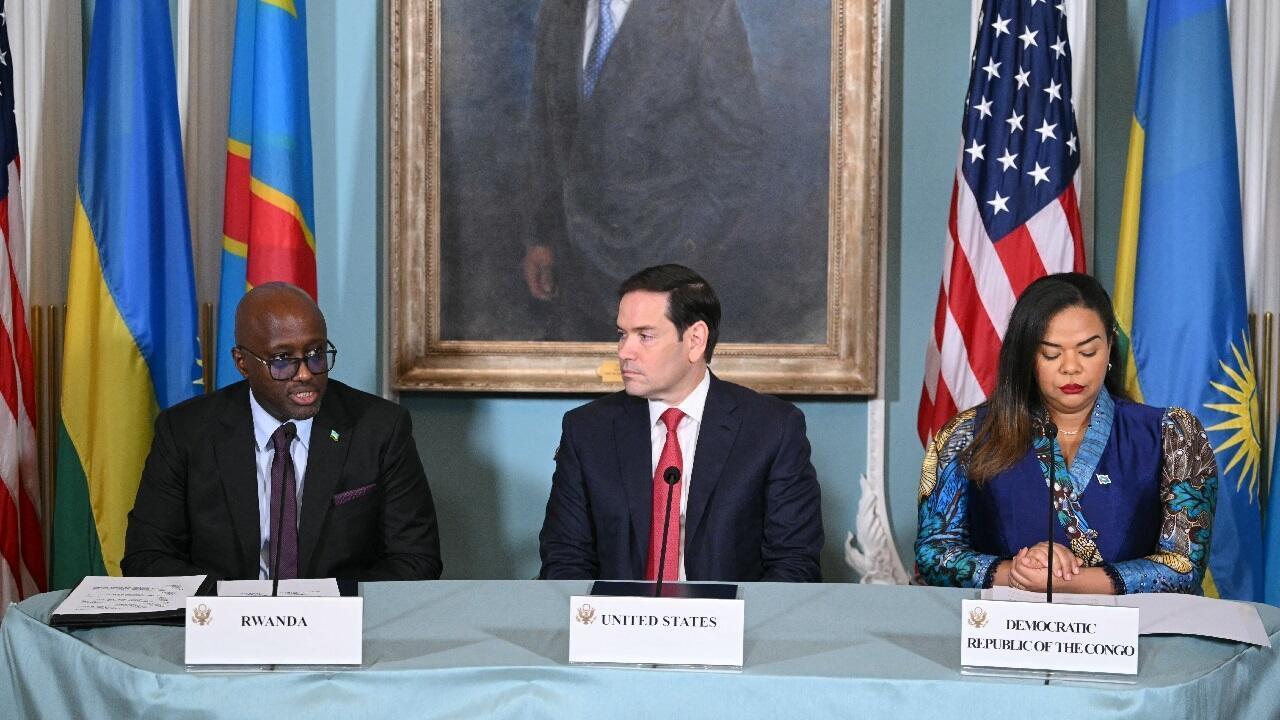
Humanitarian stakes in eastern DRC
The stakes described by the sources were explicitly humanitarian and tied to the conflict in eastern DRC, with multiple outlets linking the monitoring mechanism and humanitarian access protocol to the delivery of assistance and the protection of civilians. Al-Jazeera Net said the parties agreed on “ensuring life-saving humanitarian assistance reaches civilians in the eastern part of the country,” and it described humanitarian assistance as spanning “food and nutrition, health care, water and sanitation, and shelter,” while stressing that “protecting civilians remains an absolute priority during military operations.” It also said the parties agreed to “provide a safe environment for their work” for humanitarian workers and to “protect relief convoys and assets used in humanitarian operations,” while pledging “not to obstruct or divert humanitarian assistance.”
The Peninsula Qatar and Mirage News both emphasized the need for “freedom of movement for humanitarian workers, goods, and services,” and Mirage News described the parties’ commitment to “facilitate passage and to allow freedom of movement of humanitarian personnel, assets, and humanitarian convoys.” DW connected the monitoring process to worsening humanitarian conditions, stating that “the number of displaced people continues to rise following clashes between the two sides, thereby worsening the humanitarian situation.” Social News XYZ similarly described North Kivu and South Kivu as places where “sporadic fighting continues on several front lines,” raising concerns over implementation of the ceasefire, while DW said MONUSCO is tasked with “logistical coordination, including transport and communications.”