USAupdated 1h ago2 min read
Archive photo · 5 July 2018Rabble-Back Committee Ad Links Israel Aid To Grocery Prices, Says $7 To Kill Palestinians
4 Israeli3 Western Mainstream2 Other3 Other source typesPhoto: Wilfredor, CC BY-SA 4.0 · Cropped for layout
This article is an automated aggregation of coverage from news outlets. Our editorials offer in-depth analysis curated by the NewsCord team.
The ad blames U.S. aid to Israel for rising U.S. grocery prices in Michigan. Abdul El-Sayed's campaign distanced itself from the ad and rejected antisemitic framing.
Michigan ad ignites backlash
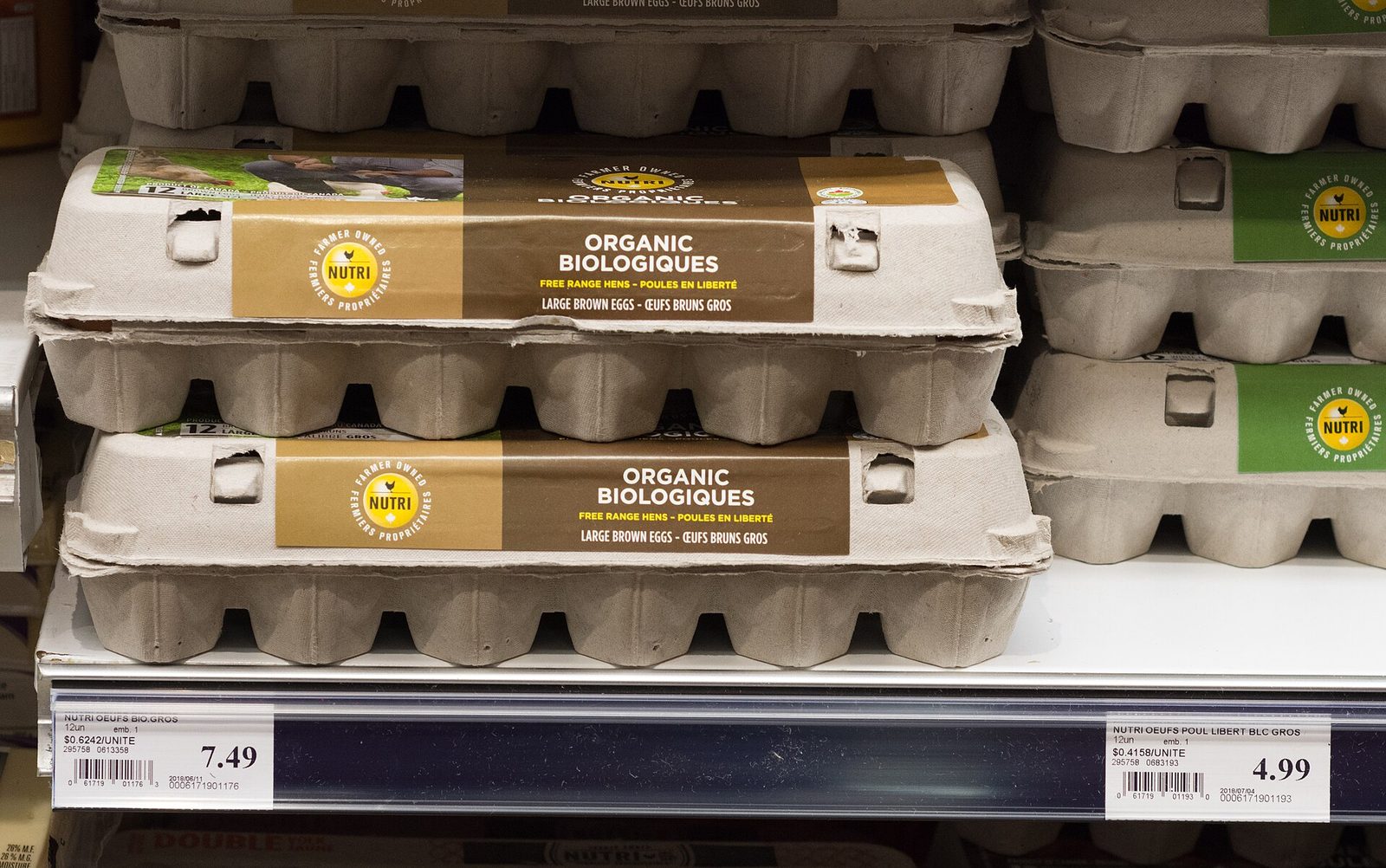
A political advertisement in Michigan sparked controversy by linking U.S. military support for Israel to rising food prices, as the ad backed Democrat Senate candidate Abdulrahman Al-Sayyid, known as "Abdul." The ad, produced by the Rabble-Back Committee, shows a woman in a grocery store asking a man presumed to be her partner to return a carton of eggs to the shelf, and the woman says, "No, they love eggs, but we must earmark those seven dollars to kill the Palestinians."
The ad’s message drew competing interpretations, with politicians and Israel-supporting organizations accusing it of antisemitism while journalists and activists defended it as a critique of U.S. spending priorities. Brown University’s Cost of War project was cited in the coverage to say U.S. military aid to Israel surpassed $21 billion from fall 2023 to fall 2025, as the ad pointed to that figure in its argument about household affordability.
Campaign denies affiliation
Abdulrahman Al-Sayyid’s campaign asserted that the ad was not connected to him or his campaign, and it said, "No one speaks for Abdul Al-Sayyid except himself and his campaign." Haley Stevens condemned the ad as fearmongering about Israel and said, "this type of fearmongering about Israel is wrong It is not a winning strategy for any state."
Rebellion PAC spokesperson Kara Eastman told JTA that the ad was not antisemitic, saying, "It’s saying we’re giving too much money to a foreign nation — and they’re misusing it." Roxie Richner, a campaign spokesperson, said in a statement to the Jewish Telegraphic Agency that the ad "is not affiliated in any way" with Abdul El-Sayed’s campaign and that it did not speak for him.
Spending stakes and election
The controversy unfolded as Michigan’s Senate race remained tight, with a RealClearPolitics average cited in the coverage giving El-Sayed a narrow two-point edge over Mike Rogers, 48% to 46%.
“Blaming the price of bananas on Israel. Consider this PAC ad just another example of scapegoating the Jewish state.”
The coverage also said outside spending surged, with United Democracy Project spending $95,000 on mailers opposing El-Sayed in the general election, on top of $33 million it had already poured into opposing him and backing Rep. Haley Stevens during the Democratic primary.
The Jewish Chronicle reported that Rebellion PAC’s ad was not authorized by any candidate and was run independently, and it said the disclaimer stated it was run independently in accordance with U.S. electoral law.
Jonathan Greenblatt, director of the Anti-Defamation League, described the ad as scapegoating, writing, "Blaming the price of bananas on Israel. Consider this PAC ad just another example of scapegoating the Jewish state."