Full story
Fight Club on Radio-Canada
Radio-Canada’s ICI Radio-Canada Télé will air Fight Club on Saturday, November 18, at midnight.
“In 1999, David Fincher threw a wrench into the gears of consumerism, into our advertising-saturated, consumerist societies and triumphant masculinity, and captured the imagination of an entire generation by adapting Chuck Palahniuk's violent, savage novel: Fight Club”
The program frames the 1999 film as David Fincher “throw[ing] a wrench into the gears of consumerism” by adapting Chuck Palahniuk’s violent, savage novel.
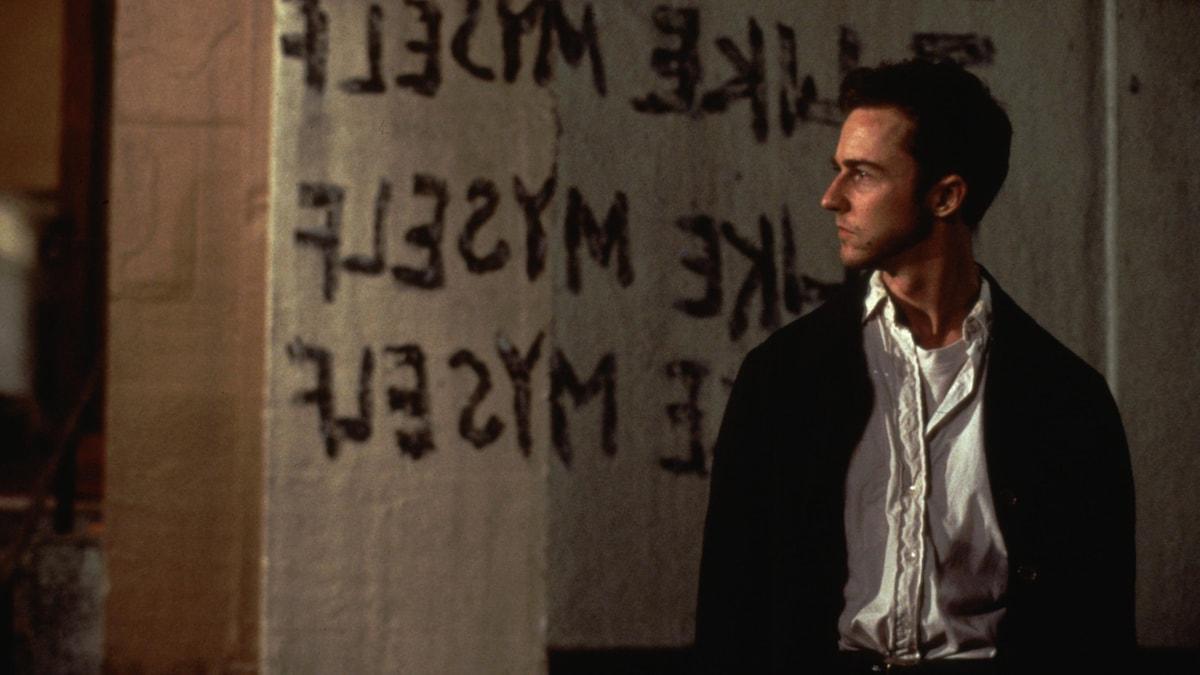
It says the character Tyler Durden—“head of an extreme fighting club”—and the antihero narrator “has not been forgotten.”
The segment also emphasizes that the film’s impact comes from “a succession of punchy lines, almost slogans, that left their mark.”
Ten iconic lines
Radio-Canada’s list includes the line: “The first rule of Fight Club is: you do not talk about Fight Club.”
The segment also quotes: “You are not special. You’re not a wonderful, unique snowflake.”
Other entries in the same run of quotes include “The things we own end up owning us.”
It further includes “How can you know yourself if you’ve never fought?” as part of the “punchy lines, almost slogans” it highlights.
Cast, trailer, and context
Radio-Canada describes Fight Club as more than “a fight between two actors (Ed Norton and Brad Pitt),” and instead as a set of lines that “left their mark.”
“In 1999, David Fincher threw a wrench into the gears of consumerism, into our advertising-saturated, consumerist societies and triumphant masculinity, and captured the imagination of an entire generation by adapting Chuck Palahniuk's violent, savage novel: Fight Club”
The segment says the film still “resonates strongly today” because the portrayal of the narrator remains compelling.
It notes that the show’s selection is presented as “Fight Club, on ICI Radio-Canada Télé,” and points viewers to “The trailer (source: YouTube).”
The broadcast is positioned as a cultural reference point tied to the film’s 1999 release and its adaptation of Chuck Palahniuk’s novel.