Sudan22 May, 20266 min read
Rapid Support Forces And SPLM-N Kill Civilians In Delling, South Kordofan
This article is an automated aggregation of coverage from news outlets. Our editorials offer in-depth analysis curated by the NewsCord team.
More than 88,000 displaced in Kordofan amid escalating violence. At least 100 civilians killed in Delling since February, including 35 in early April.
Delling’s siege and deaths
In South Kordofan, fighting and aerial bombardment have intensified around Delling, where a protection group of international organisations and UN agencies reported that “At least 100 civilians have been killed in Delling, South Kordofan, since February, including 35 in early April alone.” The same reporting said “More than 25 people have also been injured in recent weeks,” with “indiscriminate shelling and air strikes repeatedly hitting residential areas without warning.” The violence has placed “over 50,000 civilians at severe risk,” while Delling “has become an active conflict zone despite remaining under Sudanese Armed Forces (SAF) control.”
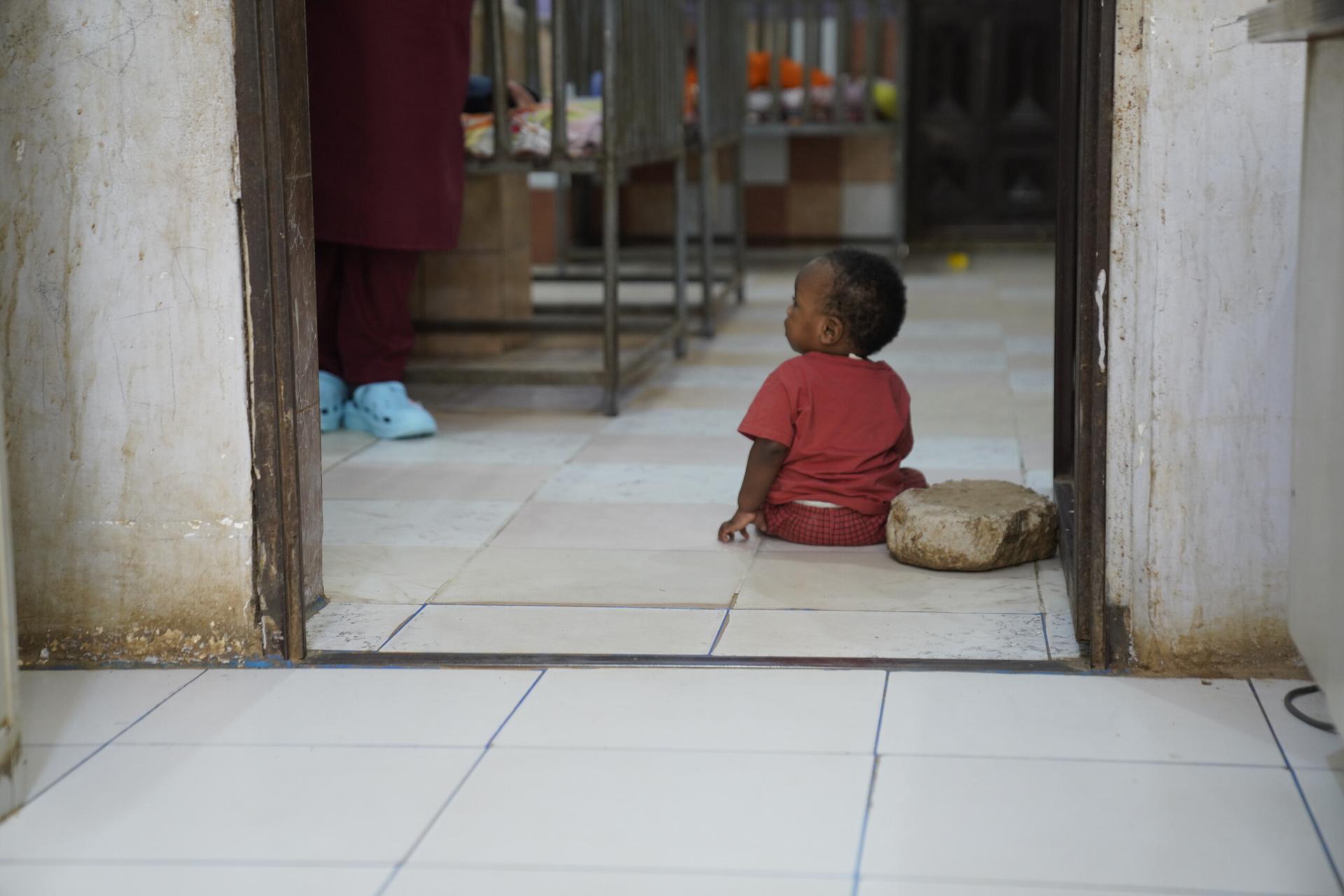
Radio Dabanga and Dabanga Radio TV Online both describe the city as “effectively encircled” and repeatedly attacked by “paramilitary Rapid Support Forces (RSF) and their allied force, the Sudan People’s Liberation Movement North led by Abdelaziz El Hilu (SPLM-N).” The sources say “Around 37,000 residents and 14,000 displaced people are now trapped with limited access to food, healthcare, and aid,” and that “Humanitarian access is severely restricted, while key roads linking the city to surrounding areas are cut off.” They also describe displacement inside the city, with “families sheltering in schools, mosques, and overcrowded homes,” and collapsing services including that “the main teaching hospital is out of service, only two facilities operate at limited capacity, and schools have closed.”

Drone strike at Sultan Medical
The same reporting chain also describes a drone strike in West Darfur’s capital, El Geneina, where “a drone strike hit the Sultan Medical Complex, killing three people and injuring at least one on Sunday,” according to the RSF-led political bloc Tasees (Sudan Founding Alliance). Radio Dabanga and Dabanga Radio TV Online say “Sources said the strike directly targeted the medical facility, sparking fires inside the compound and causing significant damage to buildings and equipment.” Both outlets add that “Videos shared by activists showed flames rising from the site as emergency teams attempted to respond and assess the scale of destruction.”
Tasees said “casualty figures may rise as rescue operations continue,” and condemned the attack as “a war crime and a crime against humanity,” stressing that “medical facilities must be protected under international humanitarian law.” The strike is presented as part of a broader pattern, with the sources stating that “The strike comes amid a recent escalation in drone attacks by the SAF on areas controlled by the RSF in Darfur and Kordofan.”

Observers cited in the reporting warn that “the increasing use of drones is contributing to higher civilian casualties and further destruction of already fragile infrastructure.” In parallel, Sahel Intelligence reports a UN warning about a drone attack that targeted a hospital in Dilling, saying “the provisional toll stands at six dead and twelve injured, including medical staff, according to UN sources,” and that OCHA said attacks against health facilities and caregivers are “grave violations of international humanitarian law.”
UN warnings and UNISFA deaths
Beyond Kordofan’s civilian toll, the sources also place drone attacks and security incidents involving UN personnel into the same escalation narrative. Sahel Intelligence says the UN Office for the Coordination of Humanitarian Affairs (OCHA) warned that “the rapid deterioration of security in the area places civilians at increasingly high risk as hostilities intensify,” and it highlighted a drone attack “targeted, on Sunday, a hospital in the city of Dilling in South Kordofan State.” The same UN-linked reporting states that “This escalation comes after drone strikes on Saturday against the logistics base of the United Nations peacekeeping forces in Kadugli, also in South Kordofan.”
It adds that the attack “killed six Bangladeshi blue helmets and wounded nine soldiers deployed with the United Nations Interim Security Force for Abyei (UNISFA).” Sahel Intelligence further quotes UN Secretary-General António Guterres, stating that “attacks against UN peacekeepers can amount to war crimes under international law,” and it says he “urged all parties to the conflict to respect their obligations, including ensuring the protection of UN personnel and civilian populations.”
Horizons.dz and Anadolu Ajansı both report UN calls for de-escalation and ceasefire language tied to the displacement crisis, with Horizons.dz quoting UN spokesperson Stéphane Dujarric saying “The UN is calling for an immediate ceasefire.” Anadolu Ajansı similarly attributes to Dujarric that “Our humanitarian colleagues tell us that access routes are still cut off and that the town’s prolonged isolation has created a crisis,” and it says Dujarric urged parties “to immediately de-escalate the violence and engage in genuine dialogue toward an immediate ceasefire.”
Displacement numbers and access routes
The humanitarian crisis described by UN officials in the sources is anchored in large displacement figures and persistent access restrictions across Kordofan. Horizons.dz reports that “Violence in Sudan has displaced more than 88,000 people,” and it says the UN stated that “fighting in the South Kordofan region of Sudan has displaced more than 88,000 people in recent months.” It quotes Stéphane Dujarric at a press conference last Wednesday, saying “The situation in Dilling, the second-largest city in South Kordofan state, remains extremely unstable,” and that “access routes are still cut off and that the town's prolonged isolation has created a crisis.”
Horizons.dz also states that “Half of Dilling's civilian population fled last year,” and that those who remain face “severe shortages of food, healthcare and other essential services.” It further says that across Kordofan province, Dujarric stated “more than 88,000 people have been displaced from late October to mid-January due to the conflict.”
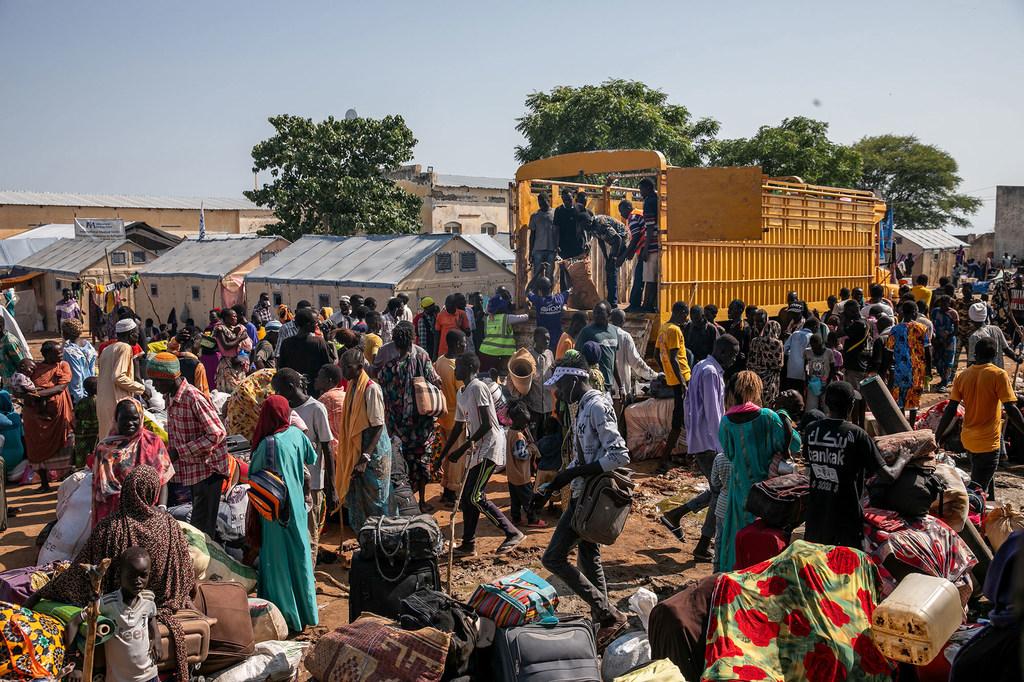
Anadolu Ajansı repeats the same UN framing, quoting Dujarric that “Our humanitarian colleagues tell us that access routes are still cut off and that the town’s prolonged isolation has created a crisis,” and it adds that “According to UN partners, half of Dilling’s civilian population fled last year.” Action contre la Faim describes communities in Dilling and Kadugli as “demeurent piégées dans des conditions de siège” where siege conditions “ont empêché l’accès à l’aide humanitaire,” depriving civilians of “nourriture, de médicaments et d’autres fournitures et services essentiels.”
Famine risk and aid actions
The sources also describe worsening malnutrition and famine risk across Kordofan, with Action contre la Faim framing the crisis as the “plus grande crise humanitaire au monde” for Sudan. It says “La famine a été déclarée à El Fasher et à Kadugli,” and it adds that “un risque imminent de famine a été identifié dans 20 autres localités des régions du Darfour et du Kordofan pour janvier 2026.” Action contre la Faim reports that “Plus de 21 millions de personnes à travers le pays sont confrontées à des niveaux aigus d’insécurité alimentaire,” including “au moins 375 000” in “des conditions catastrophiques,” and it states that “96% des familles déplacées dans cet État ne sont pas en mesure de satisfaire leurs besoins essentiels et 75% ont au moins un enfant souffrant de malnutrition.”
The organization also provides specific child malnutrition figures, saying “Plus de 63 000 enfants dans le Kordofan du Sud souffrent de malnutrition aiguë, dont plus de 10 000 de malnutrition aiguë sévère.” It quotes a staff member based in Kadugli: “La plupart des médicaments sont indisponibles depuis deux ans, laissant les communautés sans accès aux soins médicaux, et de nombreux enfants souffrent de malnutrition.”
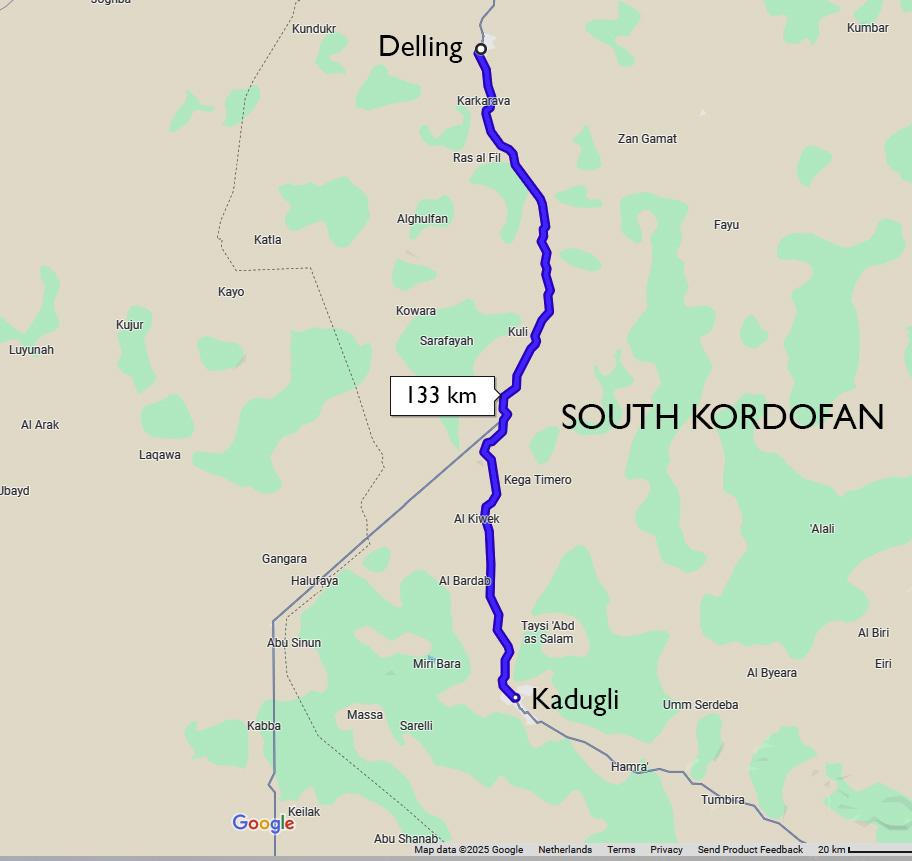
The same source says that “Action contre la Faim continue de déployer ses équipes de santé et de nutrition, de réhabiliter les centres d’assainissement et les structures de santé,” and that it will carry out “des distributions d’aide financière en espèces pour 500 ménages de Kadugli.” Together, the sources portray a situation where civilians face siege conditions, collapsing services, and escalating risks of hunger, while aid groups and UN agencies press for access and de-escalation.