Sudan27 October, 20253 min read
Rapid Support Forces Seize El-Fasher After Brutal Siege and Arrest Journalist Muammar Ibrahim
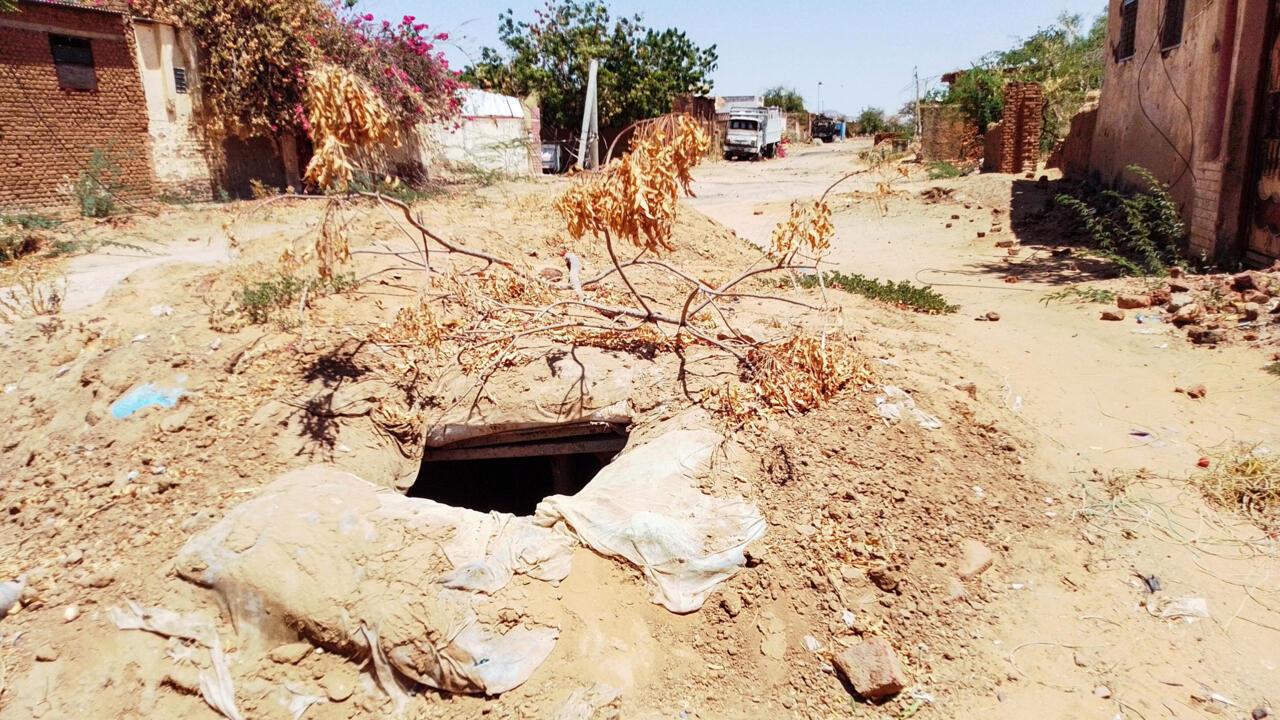
Rapid Support Forces captured El-Fasher, the last major Sudanese army stronghold in Darfur, after an 18-month siege The siege and capture caused severe civilian suffering, including displacement, food shortages, and collapsed health services

23 outlets told this the same way.
Outlets did split on Air Strike Destroys Two WFP Trucks Carrying Food for 5,800 People in South Kordofan →
Conflict Over El-Fasher Control
Sudan’s Rapid Support Forces (RSF) say they have seized El-Fasher after a prolonged siege, claiming capture of the Sudanese army’s 6th Infantry Division headquarters. Several outlets simultaneously report ongoing fighting and contested control of the city. Western mainstream outlets like BBC and Washington Post present the city’s fall largely as a fait accompli, noting an 18-month siege and RSF takeover of the 6th Division headquarters.
“The Sudanese paramilitary Rapid Support Forces (RSF) have captured el-Fasher, the last major Sudanese army stronghold in Darfur, including the 6th Division Headquarters, after an 18-month siege.”
Other sources stress the provisional nature of the claims and continuing resistance. France 24 reports that local pro-army fighters deny full RSF control and that resistance is ongoing.

Agenzia Nova underscores that the Sudanese Armed Forces (SAF) have not confirmed the RSF claims. Al Jazeera reports the RSF "claimed to have captured" the Sixth base but adds that the SAF had already withdrawn and repositioned around the city, complicating the picture of outright capture.
Humanitarian Crisis Overview
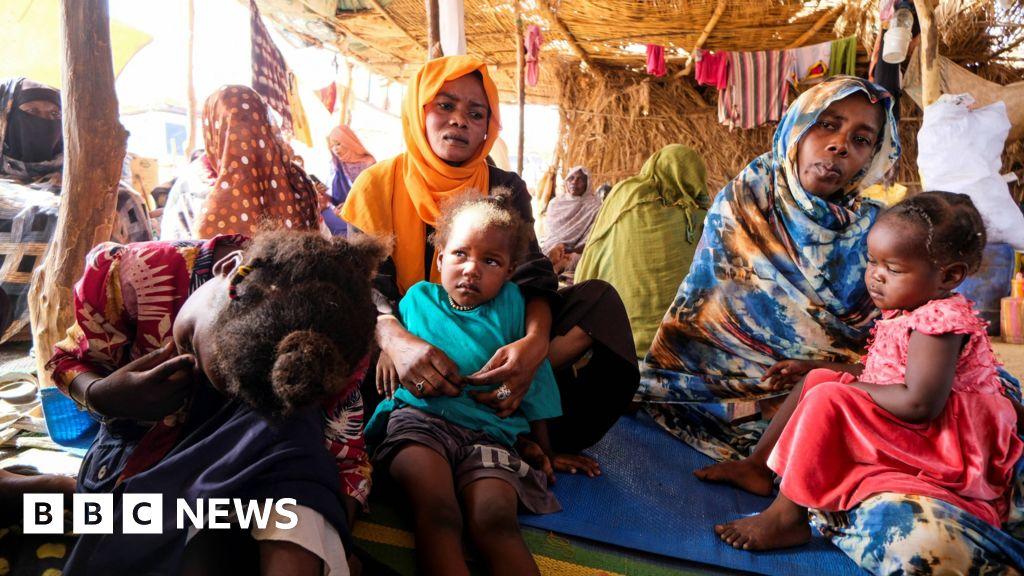
The humanitarian toll is catastrophic, with sources agreeing on mass hunger, medical collapse, and civilians trapped during the siege. However, they differ on the scale of the crisis and the terminology used to describe it. RFI and France 24 report roughly a quarter-million people trapped amid malnutrition and violence.
Digital Journal and Daily Sabah highlight reports of atrocities, ethnic cleansing, and possible massacres targeting non-Arab communities. The Eastleigh Voice describes a prolonged siege characterized by starvation, shelling, and disease. While many sources agree on an 18-month siege, estimates of the duration and the number of people trapped vary widely.
Sudanese Journalist Arrest and Media Impact
Amid this battle, Al‑Jazeera Net reports the arrest and assault of Sudanese journalist Muammar Ibrahim by RSF fighters in El‑Fasher. The report cites video footage showing him surrounded by armed men, undergoing interrogation, and suffering physical abuse. The Sudanese Journalists Syndicate condemned the detention and demanded his immediate release.
“Sudanese journalist Muammar Ibrahim was detained by the Rapid Support Forces (RSF) in El Fasher amid ongoing violent clashes... The Sudanese Journalists Syndicate condemned the arrest, demanding his immediate release and calling for a safe environment for journalists...”
They also warned of media isolation caused by disrupted communications in the area. Other news outlets have described communications blackouts and relentless shelling in the besieged city.
While Western mainstream reporting focuses on the military developments, the journalist’s detention highlights risks to press freedom. It also points to potential violations of international humanitarian law as reported by Al‑Jazeera Net.
Control Status of El-Fasher
Reports differ on whether El-Fasher is completely under RSF control or still contested. Multiple sources note ongoing resistance in the area. France 24 and Agenzia Nova report continued fighting and deny full RSF control.
Modern Diplomacy and theqldr.au highlight local pro-army resistance. Roya News states the army retreated as a tactical move but intense fighting continues. Together, these accounts indicate a fluid battlespace despite prominent RSF claims.

Sudan Conflict and Humanitarian Crisis
Strategically, control of El-Fasher would complete RSF dominance of Darfur’s capitals and raise the risk of Sudan’s de facto partition. Some outlets report that the RSF aims to install a rival or parallel government. France 24 and RFI warn that confirmed RSF control would split the country.
“If RSF control of El-Fasher is confirmed, they would hold all five Darfur state capitals, potentially dividing Sudan between the RSF... and the army...”
BBC and theqldr.au describe plans for a rival or parallel administration. Diplomatic efforts led by the US and regional powers are faltering or denied by Sudan’s military government, according to Arab News and thenationalnews. Al Jazeera highlights that the war remains a lower global priority despite becoming the world’s largest humanitarian crisis, with staggering displacement and aid needs.