Technology and Science06 July, 20262 min read
Resident Doctors in England Accept Government Pay and Jobs Offer, Ending BMA Strike Action
This article is an automated aggregation of coverage from news outlets. Our editorials offer in-depth analysis curated by the NewsCord team.
Resident doctors in England vote to accept government pay and jobs offer, ending strikes. The deal includes more training posts, faster pay progression, and coverage of exam fees.
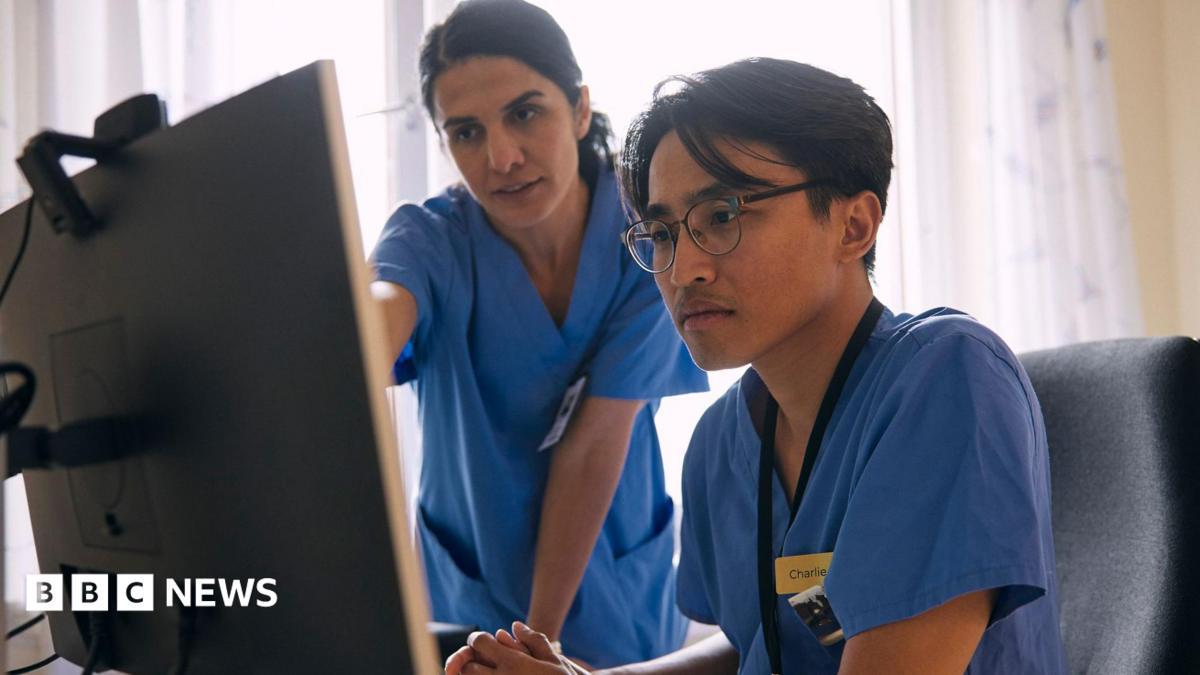
Deal Ends Strike Wave
Resident doctors in England voted to accept a government pay and jobs offer, ending long-running strike action that the British Medical Association (BMA) Resident Doctor Committee (RDC) orchestrated with 21 days of strikes since July 2025. The agreement includes standard 2016 resident doctor contract terms for all locally employed medics and an average pay uplift of 6.6 per cent fully rolled out by April 2027, with 4,500 additional specialty training places over the next three years.
“The decision concludes a dispute that saw the British Medical Association (BMA) Resident Doctor Committee (RDC) orchestrate 21 days of strikes since July 2025.”
The Department for Health and Social Care (DHSC) said the package would result in resident doctor pay being, on average, 35.2 per cent higher than it was four years ago, and the online vote ran from June 18 to June 26. Prime Minister Sir Keir Starmer said on X that the deal will see “better career opportunities, and better working conditions for resident doctors,” while health secretary James Murray said it would allow the NHS to draw “a line under the disruption of previous months.”
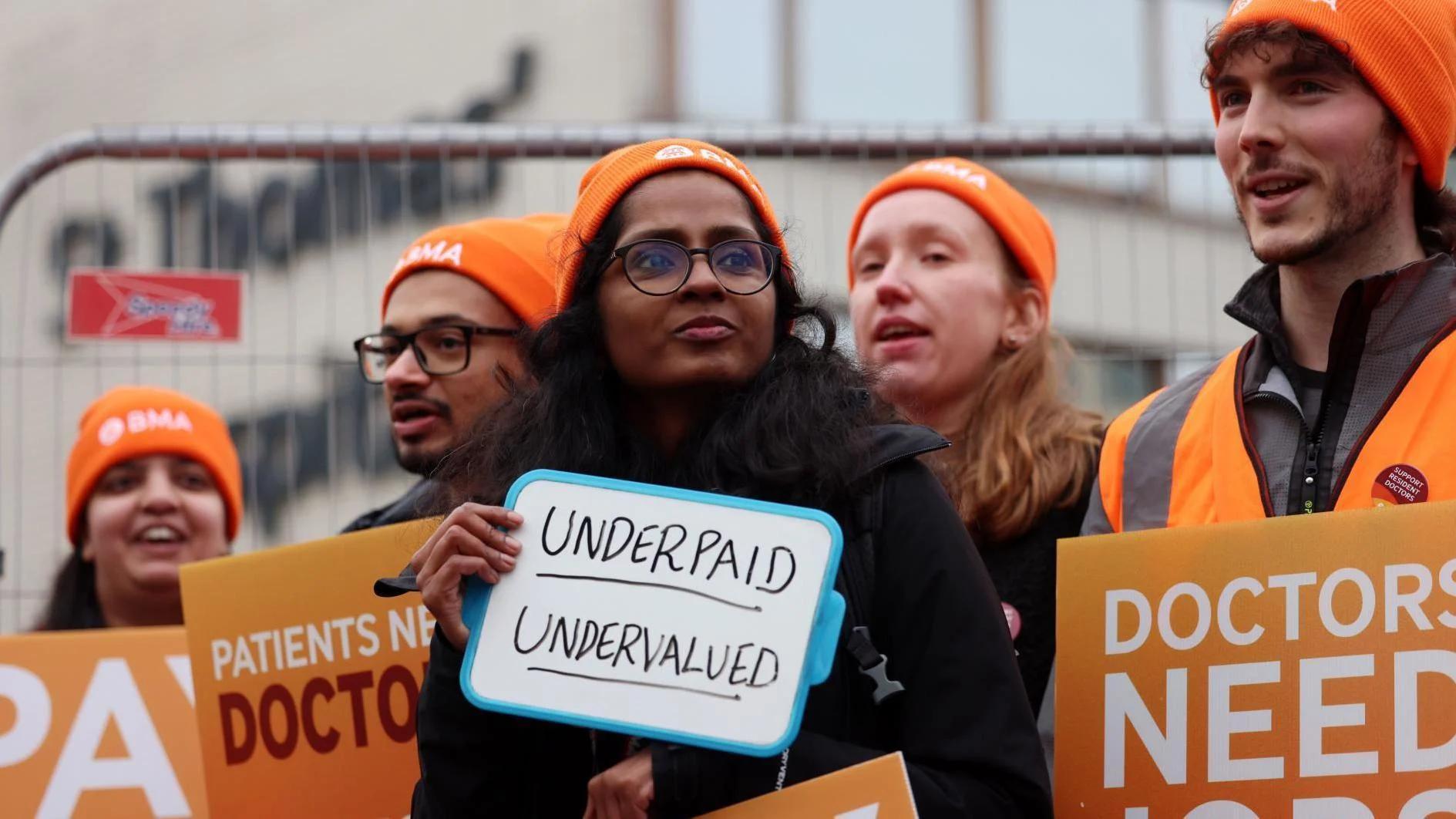
Union Chair Warns
BMA chair Dr Jack Fletcher, speaking after the vote, said: “Resident doctors have spoken. They have decided that the current offer is sufficient to continue on the road to pay restoration, and sufficient to address the absurd lack of jobs in the NHS.”
Fletcher also warned that the settlement was “by no means the end of the road for pay restoration” and said he hoped the Government would keep “this journey going,” while he thanked doctors who “stood on a picket line” and “refusal to give in.”

Sky News said the vote was 53% to 47% with 57% turnout, and it described the deal as including 4,500 speciality training places to help end the jobs “bottleneck” of medical school graduates being left without jobs.
The Guardian reported that the first strike by resident doctors began on 13 March 2023 and said the BMA had previously warned that if resident doctors rejected the deal, strikes would “have to escalate in intensity,” before the RDC accepted the offer after 53% voted in favour.
Implementation and NHS Impact
NHS Employers interim chief executive Dean Royles said that after a dispute that had caused “so much upset and disruption to patient care,” all parties would be pleased that “there will be no further strike action,” adding that “the hard work of implementation will now begin.” The Guardian said the deal would be fully implemented by April 2027 and would include 4,500 extra specialty training places over three years, while it also stated that resident doctor pay would be 35.2% higher on average compared with four years ago.
The Independent reported that 32,932 doctors voted in total and that 53 per cent of eligible members voted in favour, with the turnout of the referendum at 57 per cent. LBC quoted James Murray saying the agreement would benefit resident doctors with “a new pay structure, better career progression opportunities and a range of other improved conditions,” and it also said the vote ended ongoing strike action after operations and appointments had been cancelled in recent years.