Sports05 May, 20267 min read
RFU Backs Steve Borthwick To Lead England Through 2027 Rugby World Cup After Review
This article is an automated aggregation of coverage from news outlets. Our editorials offer in-depth analysis curated by the NewsCord team.
RFU backs Borthwick to lead England to 2027 Rugby World Cup after review. England finished fifth in the Six Nations with one win against Wales.
RFU keeps Borthwick
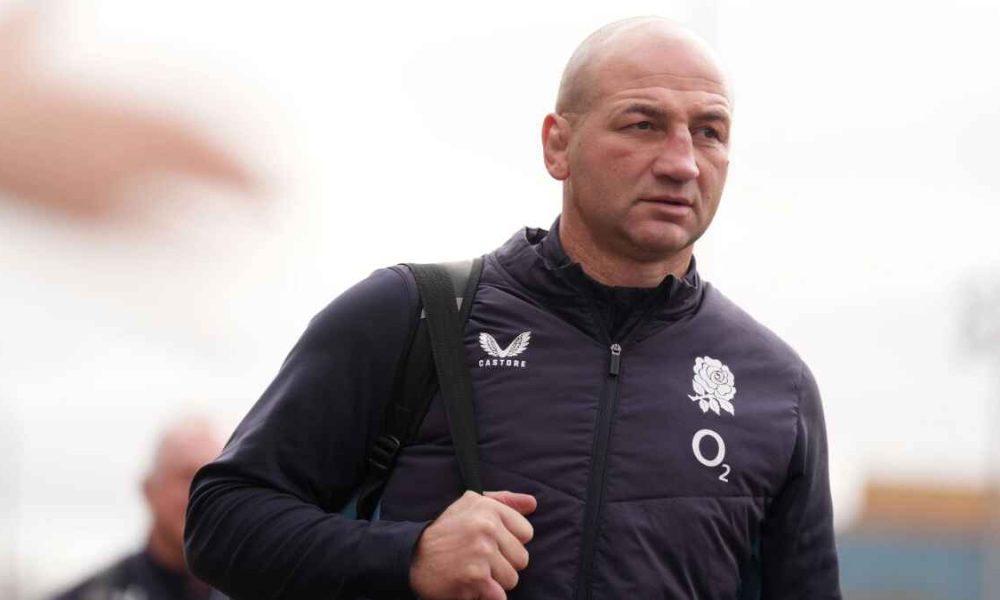
Steve Borthwick will remain in charge of England’s men’s team through the Rugby World Cup in Australia after the Rugby Football Union completed what it described as “a detailed and robust review” of England’s latest campaign. The RFU opted to back Borthwick and his coaching staff despite England’s “worst Five or Six Nations for 50 years,” after the team lost four championship games in the same season for the first time since 1976. In a statement, RFU chief executive Bill Sweeney said, “This has been a thorough and honest review, and it is clear that improvement will come from addressing several areas rather than chasing one simple answer.”
Sweeney added that “We’ve all seen what this England side is capable of – most recently in the performance against France, and during the strong winning run before that,” and said that “That doesn’t disappear overnight.” The RFU also said it was not the “optimal solution” to sack the head coach, noting that it had previously dispensed with Eddie Jones’s services nine months prior to the 2023 World Cup.

The Rugby Paper similarly reported that Borthwick had been backed after an investigation into the recent Six Nations failure and that the issues behind the four-Test losing run were identified. Multiple outlets tied the decision to the review process overseen by Sweeney, with the BBC describing the review as blaming “a lack of discipline, accuracy and cutting edge, among other factors,” while the Guardian said the RFU withheld “finer detail” on performance grounds.
What led to the review
The RFU’s decision came after England’s Six Nations collapse, which multiple reports framed through both results and specific match context. The Rugby Paper said England finished the Championship in fifth place after managing “a solitary victory against Wales in the opener,” which “trigger[ed] an RFU review into the reasons for their subsequent collapse.” The BBC described England’s campaign as “disastrous” and said “England’s only victory was an opening-round rout of Wales,” with defeats in the other four games constituting “their worst performance since the tournament's expansion from the Five Nations in 2000.”
Eurosport’s AFP Rugby report likewise said England opened the Six Nations with a 48-7 win over Wales, their “twelfth straight victory,” before losing the next four matches to Scotland, Ireland, Italy and France, finishing in fifth place. Ouest-France added a match-specific detail that England were beaten soundly by Ireland at Twickenham on February 21, with the score listed as 21-42, and quoted Borthwick calling it “extremely disappointing.”
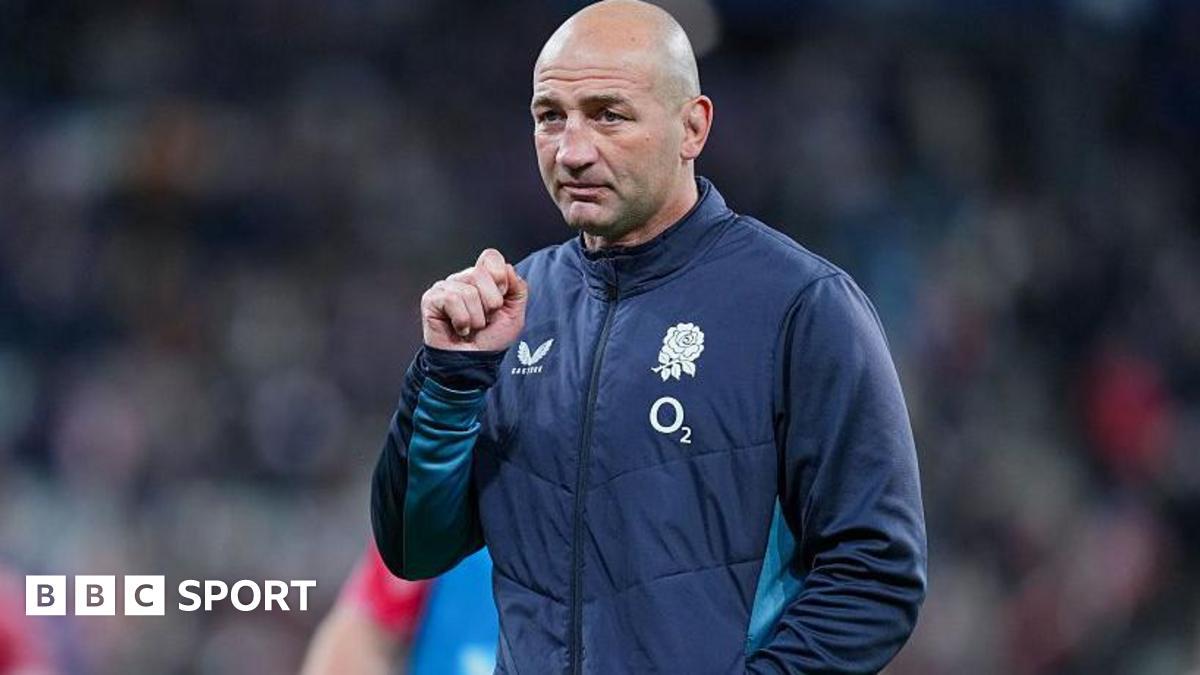
In the Guardian’s account, the RFU noted England lost four championship games in the same season for the first time since 1976, and it pointed to a season-long dip after earlier promise. The BBC also reported that Sweeney previously admitted this year’s review would have to delve deeper into an “unusual outcome,” and it said the RFU cited “performance confidentiality in a competitive sporting environment” as a reason it could not reveal full details.
Discipline, accuracy, execution
The RFU’s review, as described by the BBC and the Guardian, focused on multiple interconnected performance areas rather than a single failing. The BBC said the review blamed “a lack of discipline, accuracy and cutting edge, among other factors,” and it quoted Sweeney again: “This has been a thorough and honest review, and it is clear that improvement will come from addressing several areas rather than chasing one simple answer.” The Guardian reported that the review concluded England’s underperformance across the Six Nations was “not the result of a singular failure or issue,” and instead highlighted “discipline, execution of opportunities and making the most of key moments.”
The Rugby Paper echoed that framing, saying the statement read that “it highlighted a number of interconnected performance areas such as discipline, execution of opportunities and making the most of key moments, where improvement is required if England are to consistently perform at the level expected.” In its own reporting, the BBC provided a numerical snapshot of discipline and scoring, saying England picked up “eight yellow cards,” with “two of which combined to make Henry Arundell's 20-minute red against Scotland.”
The BBC also said England recorded “the second-highest number of entries into the opposition 22m (53, behind champions France's 57), but took an average of only 2.7 points from each visit,” and that only Italy had a worse return with “1.6 points.” The BBC further described England’s gameplan as lacking variety, noting England “kicked the ball more than any other team in the Six Nations,” and that the team’s “licence to innovate” and play instinctively was reflected in “the seven tries scored in a narrow defeat by France in the final round.”
Different angles on the same decision
While all the reports describe the RFU backing Steve Borthwick, they emphasize different details about why and how the decision was reached. The Guardian foregrounded the RFU’s rationale for keeping faith, saying the union believed “things can only get better,” and it quoted Sweeney’s view that “improvement will come from addressing several areas rather than chasing one simple answer.” The BBC, by contrast, stressed the review’s diagnostic findings, listing “a lack of discipline, accuracy and cutting edge” and then quantifying the discipline problem with “eight yellow cards” and Henry Arundell’s “20-minute red against Scotland.”
The Rugby Paper focused on the timeline and the fact that a statement after the “historic 23-18 defeat by Italy on March 7” had indicated Borthwick would be given the summer tour to save his job, but it said he would now remain head coach until Australia 2027. Eurosport’s AFP Rugby report framed the decision as a continuation despite a “very disappointing 2026 Six Nations Championship,” and it included a specific age detail, saying Borthwick is “the 46-year-old coach,” while also repeating the RFU’s “not due to a single failure or an isolated problem” conclusion.
Belfast Telegraph and the Guardian both reported the RFU review, but Belfast Telegraph’s headline language centered on “RFU backs Steve Borthwick to lead England into 2027 World Cup after review,” while the Guardian’s headline added “after Six Nations review.” Ouest-France added a different lens by quoting Borthwick’s frustration after the February 21 defeat to Ireland at Twickenham, where he said, “It was extremely disappointing,” and he also commented on Ireland’s “kicking game.”
Next tests and squad changes
The RFU’s backing comes with an immediate competitive schedule, and multiple reports spell out the Nations Championship programme and the travel implications. The Guardian said England will kick off their Nations Championship programme against the Springboks in Johannesburg on 4 July, then face Fiji in Liverpool the following week, before boarding another long-haul flight to play Argentina in Santiago del Estero on 18 July. The Rugby Paper similarly described the summer tour as Tests against South Africa in Johannesburg, Fiji in Liverpool and Argentina in Santiago del Estero, calling it “a brutal travel itinerary of over 25,000 miles.”
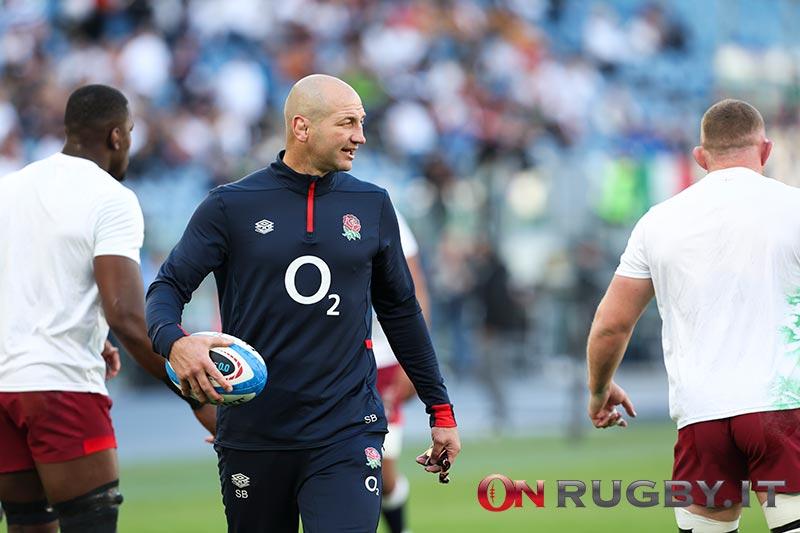
On Rugby reported the same match dates and locations, stating that the England squad will be “di scena il 4 luglio in Sudafrica contro gli Springboks,” “l’11 luglio contro le Fiji” with the warning that “la partita si giocherà a Liverpool nel Regno Unito,” and “il 18 luglio in Argentina contro i Pumas.” The Guardian also said the RFU insisted that both the head coach and his staff have their full backing for the next 18 months, and it quoted Sweeney: “We are all behind him and his coaching team going into the Nations Championship and the series of matches leading into Rugby World Cup 2027.”

The BBC added that England’s first match at the Rugby World Cup is “a pool-stage meeting with Tonga in Brisbane,” which is “less than 16 months away,” and it said England must show lessons have been learned. On Rugby’s squad-building angle added that Borthwick is working to expand England’s depth and that the staff intends to test whether players are ready for international debut by potentially adding them to the group for the first three summer Nations Championship matches.