Europe21 September, 20262 min read
Ron Prosor Warns Berlin Jews Face Direct Existential Threat After Die Linke Tops Election
This article is an automated aggregation of coverage from news outlets. Our editorials offer in-depth analysis curated by the NewsCord team.
Far-left Die Linke and far-right AfD gained in two state elections, threatening Merz's CDU. Israel's ambassador warned Berlin's Jewish community faces an immediate existential threat after results.
Berlin Jewish community threatened
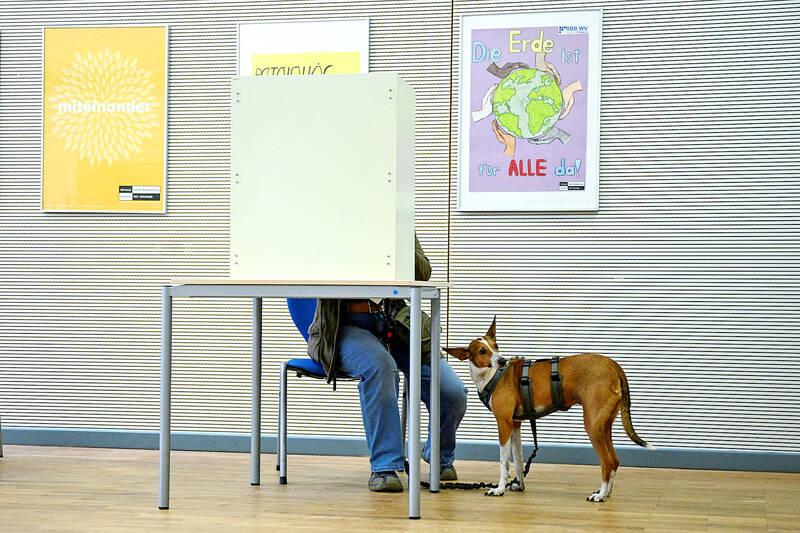
Israel's ambassador to Germany, Ron Prosor, warned that Berlin's Jewish community faces a "direct existential threat" after Die Linke topped Berlin's state election, and he said the party's rise gives antisemitism "a new political dimension". Ron Prosor urged Die Linke to present a concrete plan explaining "how it will stop systematic hatred of Israel and Jews within its ranks and root it out," and he said "the era of empty promises" has ended after the elections. Friedrich Merz described the Mecklenburg-Vorpommern result as a "tragic and exceptional result for the CDU in Germany," and he said the party could not overcome the setback.
Elly Eralp celebrated Die Linke's Berlin victory by saying, "In our city, love and justice have triumphed over hatred," as the ruling CDU scored 19 per cent. Angela Merkel said bridges must be built and remarked that history shows "that a party like the Christian Democratic Union derives its strength from migrants and people without migrant backgrounds."

Merz vows to stay course
Friedrich Merz vowed to stay the course on Sunday despite election defeats, telling a Berlin crisis meeting of his centre-right CDU, "What needs to be done now requires backbone, steadfastness and patience." Friedrich Merz said, "The reforms have to come," and he added, "I am taking on this responsibility because I want to move our country forward." The AfD led Mecklenburg-Western Pomerania with about 37 percent against 35 percent for the SPD, according to exit polls by ARD and ZDF, and Merz's CDU crashed below five percent.
Die Linke won Berlin with about 25 percent while the CDU scored 19 per cent, and Merz acknowledged "disaster" after his party got kicked out of parliament in the eastern state. Carsten Brzeski said Merz's rushed TV address was "an attempt to choke off the speculation about his possible resignation" as rumours swirled about whether he would be ousted.

Europe-wide political deadlock
CNBC reported that Chancellor Friedrich Merz accepted a "disaster" for the CDU after the vote in Mecklenburg-Vorpommern, where the AfD came first, and it said the CDU also faced heavy losses in Berlin where Die Linke topped the result. Carsten Brzeski told CNBC's "Squawk Box Europe" that there was "no majority in favor of reforms," and he said the CDU was in an "existential crisis" that complicated its ability to work with other parties. Roland Abold said in a poll that "These are the lowest figures we have ever recorded for an incumbent chancellor," and he cited that 13 percent were still satisfied with Merz's political performance in September.
Merz cleared his calendar for the following days and skipped a trip to the UN General Assembly to deal with potential aftershocks from the votes, while the election results threatened to send "fresh shock waves through Berlin" and rock the government. The political shifts also fed into a broader debate about Europe, as Donald Trump threatened to take action against the EU if it moved forward with Ursula von der Leyen's proposal to make Canada the bloc's first associate member, calling it "laughable."