South Americaupdated 1h ago2 min read
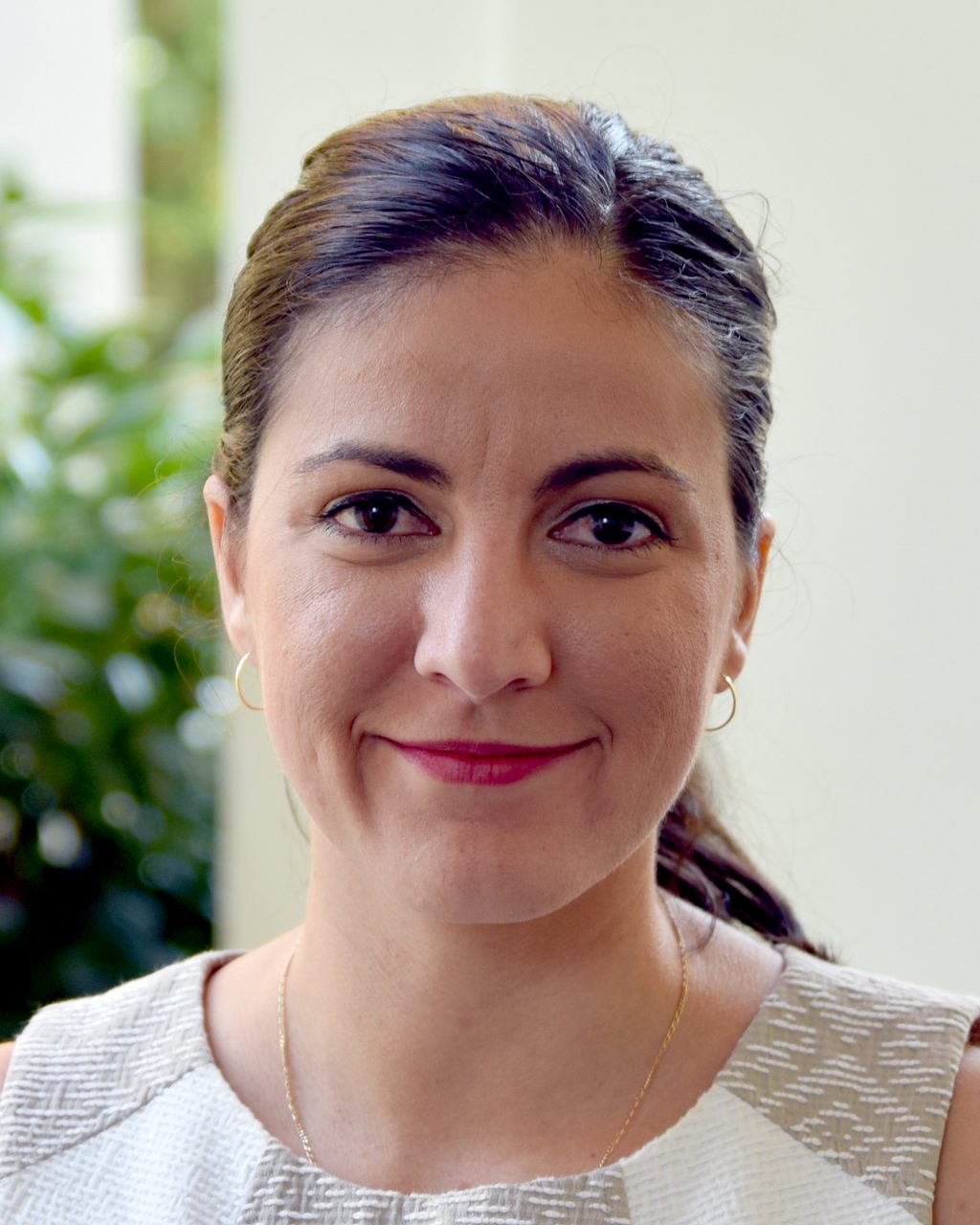
Archive photo · 14 October 2019Rosa María Payá Presents “Cuba At The Threshold” In Madrid As Lucía Céspedes Ocampo Disrupts
3 Other2 Latin American1 Western MainstreamPhoto: Jindřich Nosek (NoJin), CC BY-SA 4.0 · Cropped for layout
This article is an automated aggregation of coverage from news outlets. Our editorials offer in-depth analysis curated by the NewsCord team.
Lucía Céspedes Ocampo, Cuban resident in Guadeloupe, attempted to disrupt Payá's Madrid presentation. Payá unveiled a three-phase transition plan with an 18–36 month transitional government and referendum.
Save coverage image
6 outlets told this the same way.
Outlets did split on Former Mossad Agent Helped Flavio Bolsonaro Leave Brazil Via Argentina, Brazilian Media Says →
Payá plan disrupted in Madrid
Rosa María Payá presented her transition plan “Cuba at the Threshold” in Madrid at an event organized by Pasos de Cambio and Cuba Decide, on the eve of the XXX Ibero-American Summit scheduled for November 4 and 5 in the Spanish capital.
Lucía Céspedes Ocampo, identified as a Cuban resident in France and president in Guadalupe, attempted to sabotage the presentation by speaking without being on the program and proclaiming that “we cannot talk about the Cuban people and what is happening without denouncing the harassing policy of the American government toward our people.”
Attendees reacted with shouts of “Liberty!”, “Long live Free Cuba!” and “Freedom for political prisoners!”, and the woman was evacuated from the venue.
After the expulsion, Payá resumed the microphone and stated, “The reality is that the Cuban people are indeed going through their darkest moment. And this is due to 67 years of communism,” while directly blaming “the Castro family and the group of generals who have been in power for 67 years.”
Voices, phases, and officials
Payá framed the plan as a roadmap with four phases, Liberation, Stabilization, Reconstruction and Democratization, and she concluded, “Freedom is not a concession of power; it is a right that belongs to us,” to applause from the audience. Albert Ramdin, the Secretary General of the OAS, told the event that after almost 70 years it is normal to evaluate and rethink the system in Cuba and that “the moment for that is now,” while clarifying he intervened as secretary-general and not on behalf of member states.
Víctor Bisonó Haza, the Dominican Republic’s foreign minister, expressed support for change in Cuba and said, “We are in the precise moment,” while assuring Payá that she always has his support. Arkadiusz Mularczyk, a Polish eurodeputy, said he had been a member of the Polish Parliament for almost 20 years and argued that “Communism can be dismantled, but the systems they have created for decades can resist,” warning about the power regime elites might retain.
Transition timetable and stakes
Payá’s presentation described a transition government of between 18 and 36 months, without extension, and it said the process would lead to a binding referendum and to free elections. Martí Noticias reported that Payá said the transitional government would have a mandate of between 18 and 36 months, with no extension, and that the process would lead to a binding plebiscite on the new constitutional framework and to free, plural, and competitive elections.
El Mundo quoted Payá insisting, “There is no transition with repression,” and it described the plan’s sequence as liberation beginning with the release of all political prisoners, followed by restoration and reconstruction toward “free and competitive elections, the first free elections in more than 70 years.” The plan also set out immediate humanitarian priorities, with DIARIO DE CUBA saying it included an emergency response plan designed for 180 days and that it would start with “immediate attention to Cubans’ vital needs, with deployment of food rations, water, and medicines in the first 72 hours.”