USAupdated 23m ago3 min read
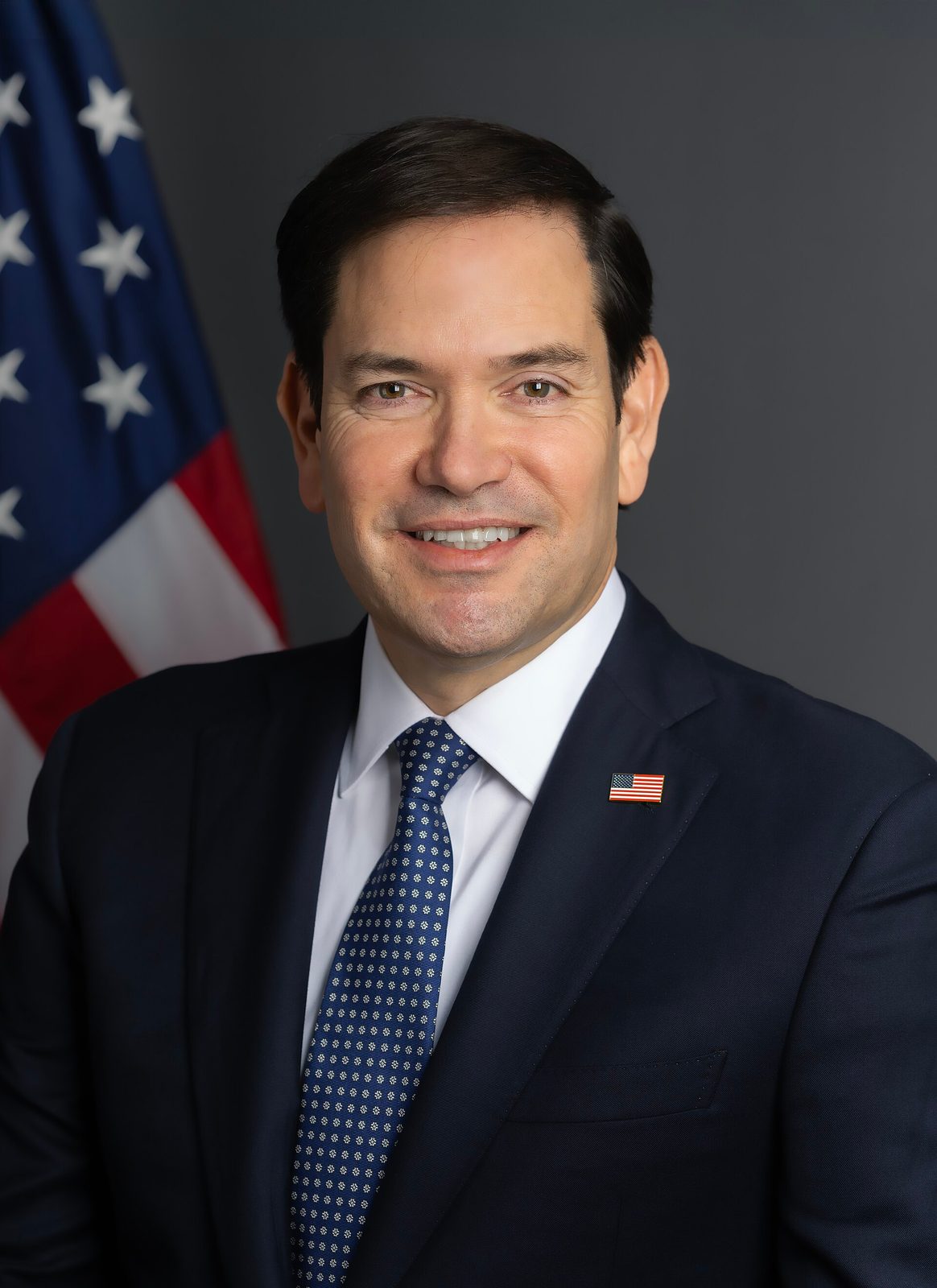
Archive photo · 23 January 2025Rubio Says No Need for Major Combat as Trump Backs Iran Port Blockade
4 West Asian2 Other1 Local Western1 Western MainstreamPhoto: U.S. Department of State / US federal government, Public domain · Cropped for layout
This article is an automated aggregation of coverage from news outlets. Our editorials offer in-depth analysis curated by the NewsCord team.
Rubio says economic pressure on Iran is effective; large-scale combat unnecessary. Post-midterms, Trump team shows split on Iran war policy; some favor deal.
Save coverage image
Rubio backs blockade
United States Secretary of State Marco Rubio said Washington’s economic pressure campaign against Iran is so effective that “there is no need for major combat operations,” after meeting with foreign ministers from the Group of Seven (G7) forum in Paris. Rubio told G7 allies that “the economic campaign [against Iran] is so devastating that right now there is no need for major combat operations,” and he also pushed allies to help “protect shipping” around the Strait of Hormuz where he said US forces would stay. Donald Trump wrote on his Truth Social platform that Gulf allies preferred a continuation of the “status quo,” referring to the US’s blockade of Iranian ports, and he added there appears to be “positive momentum” toward ending the conflict while the US remains “locked and loaded” if circumstances change.
Vice President JD Vance, who has been more critical of the war, favours a deal with Iran, which Trump does not believe is possible right now, with Reuters citing an informed source saying Vance’s position differs from the president’s. The US continued to combine diplomacy with military and economic pressure, as negotiations to end the US-Iran conflict have been largely stalled for months while Iran targets vessels it claims are violating its transit conditions through the Strait of Hormuz and the US ramps up sanctions and continues to blockade Iranian ports.
Vance, sanctions, and debate
Iran International reported that debate continued in Tehran over prospects for a US deal after midterms, with four Iranian reformist intellectuals urging Tehran to seize an opportunity for diplomacy while warning Trump could respond by escalating rather than ending the war. Mohammad-Javad Haghshenas argued that Tehran should move quickly rather than wait for uncertain political developments in Washington, and he cited reports of a purported letter from Vice President JD Vance proposing direct talks. Alireza Rajaei compared Trump to a political gambler who might raise the stakes rather than accept a visible defeat, and he outlined three possible scenarios including continued pressure through sanctions and military threats.
Rajaei urged Tehran to strengthen crisis management, civilian resilience and transparent public communication, while Washington continued to combine diplomatic signals with military and economic pressure and kept the naval blockade and sanctions in place. Iran International said the conflicting signals made it difficult for Tehran to distinguish genuine negotiating opportunities from attempts to extract concessions under pressure, and it noted Trump’s record of abrupt changes in negotiating positions.
Congress, vetoes, and costs
WBMA said Trump faces divided Congress as Democrats prepare to take control of both chambers of Congress in January, raising questions about how much of his America First agenda can survive and whether the White House can deliver relief to Americans struggling with high prices.
Steve Moore told The National News Desk that Republicans have a chance to finish unfinished business during the remaining weeks of the current Congress and that “there's also a lame-duck session of Congress going on right now,” before Democrats take the gavel in January in the House and the Senate.
Moore said Trump’s veto power remains a key tool, and he asked, “Will Donald Trump, how often will he use his veto power? Because remember, that's the most powerful mechanism the president has when it comes to legislation,” while noting lawmakers can override a veto with a two-thirds majority in both chambers.
Moore also focused on affordability, saying the national average for gasoline was “about $4 a gallon” and arguing Trump should aim to bring it “well below $3.50 a gallon.”
Al Jazeera reported that Rubio’s remarks came after Trump acknowledged a crushing midterm defeat for Republicans was likely partly driven by public opposition to the war, and it said negotiations have been stalled for months as the US ramps up sanctions and continues to blockade Iranian ports.