Russia11 December, 20253 min read
Russia Could Attack NATO Within Five Years, NATO Chief Mark Rutte Warns
Russia could be ready to use military force against NATO within five years Rutte urged allies to urgently increase defence spending and strengthen NATO deterrence

10 outlets told this the same way.
Rutte's NATO warning
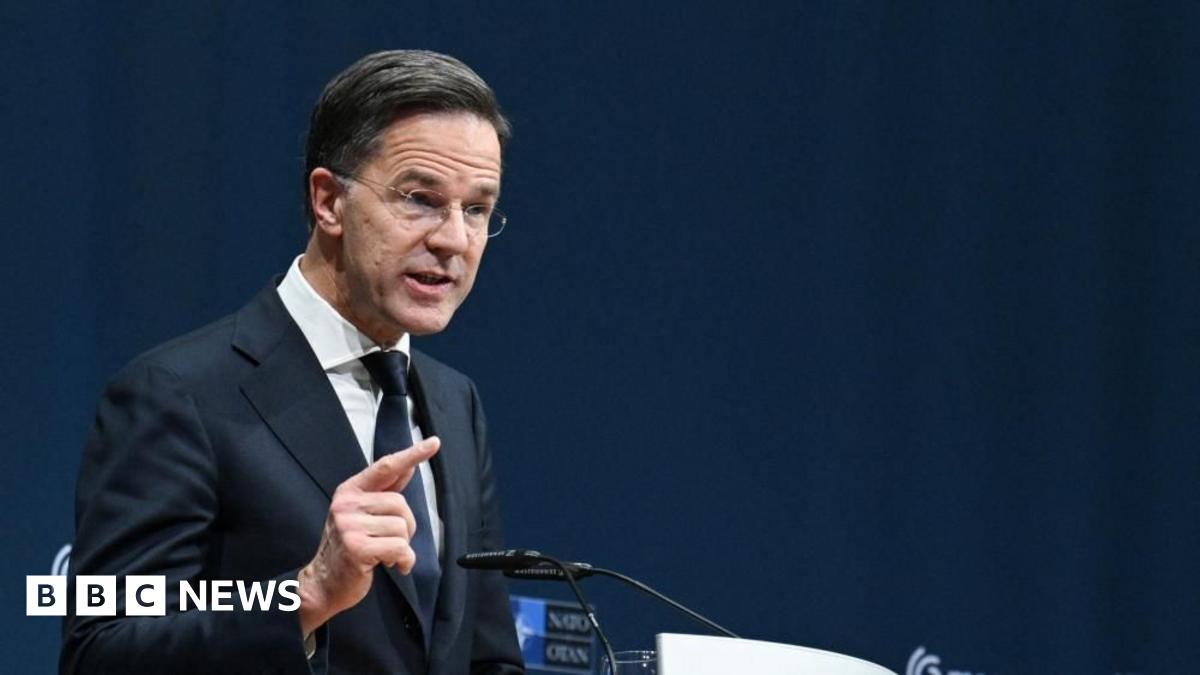
At a Munich Security Conference event in Berlin, NATO Secretary-General Mark Rutte warned that Russia could be capable of attacking NATO within five years. He urged allies to boost defence spending and strengthen deterrence.
“At a Munich Security Conference event in Berlin, Mark Rutte warned that Russia could be able to attack NATO within five years and urged allies to boost defence spending and strengthen deterrence.”
Multiple outlets reported Rutte’s central message that NATO must prepare now, with Anadolu Ajansı recording the five-year warning and the call to boost defence spending and strengthen deterrence. Modern Diplomacy and News Ghana noted Rutte warned the threat could bring war back to Europe and framed the address as a warning that the West must prepare for a large-scale war, reflecting broad agreement that the speech was an urgent call for increased military preparedness.

Rutte on Russian threats
Several outlets provided detailed claims about Russia's wartime production and what Rutte described as an escalating hybrid campaign. Anadolu Ajansı and usmuslims both cite Rutte's figures, reporting about 2,000 cruise and ballistic missiles this year and an estimated 2,900 attack drones produced monthly. Those outlets list hybrid tactics including covert operations, sabotage of critical infrastructure, drone incursions and airspace violations.
Fox News and Newsmax add context about related incidents and broader security concerns, such as reported drone crossings, undersea cable cuts and other alleged sabotage that Rutte cited or that national leaders have linked to Russia. Together these sources present Rutte's warning as rooted in specific weapons-production data and an array of security incidents.
Rutte: wartime mindset call
Rutte framed the threat as requiring a shift in mindset and long-term investment. Newsmax and The Mirror captured Rutte's exhortation to shift to a wartime mindset and to prepare for destruction like our grandparents or great-grandparents endured. Fox News and Modern Diplomacy emphasized his call for allies to immediately boost defense spending and production.
“Nato chief and former Dutch prime minister Mark Rutte warned at a Berlin security conference that the West must prepare for a large-scale war ‘like our grandparents endured.’”
News Ghana echoed that urgency, warning that the West has become Russia's next strategic target. The coverage collectively conveys a sharp, urgent tone, though outlets vary in how dramatic or policy-focused they are.
Rutte on NATO measures
Rutte reaffirmed NATO's Article 5 commitment and welcomed higher defence spending by allies, notably Germany's plans. Anadolu Ajansı and usmuslims reported Rutte praising Germany's increase in defence spending and criticizing his domestic opponents. Newsmax and Fox News reported NATO measures including new eastern-flank operations called 'Eastern Sentry' and 'Baltic Sentry'.
They also described the PURL program to channel Patriot missiles and other air-defence munitions to Ukraine. Together, the coverage links Rutte's warning to both alliance guarantees and specific force posture and matériel initiatives.
Media framing of Rutte remarks
Across the coverage there are clear differences in sourcing, framing, and additional claims. Wire and regionally focused outlets (Modern Diplomacy reporting Reuters; Anadolu Ajansı; usmuslims) emphasize Rutte's figures, Article 5, and spending appeals; mainstream outlets like Fox News foreground national reactions and specific alleged incidents; Western-alternative and analysis outlets such as Newsmax add geopolitical linkages (for example, Chinese technology and Iranian and North Korean arms) and programmatic detail; tabloids like The Mirror amplify generational wartime analogies. Readers should note these differences reflect choices about which parts of Rutte's remarks to foreground, such as empirical production data, incident attribution, operational measures, or rhetorical urgency, rather than contradictions about the core warning itself.
“NATO leader Mark Rutte warned in Berlin that Russia could be ready to use military force against NATO within five years, potentially bringing ‘war back to Europe.’”