Ukraine War09 November, 20252 min read
Russia Destroys Ukraine’s Power Plants in Massive Drone and Missile Assault, Reducing Generation to Zero
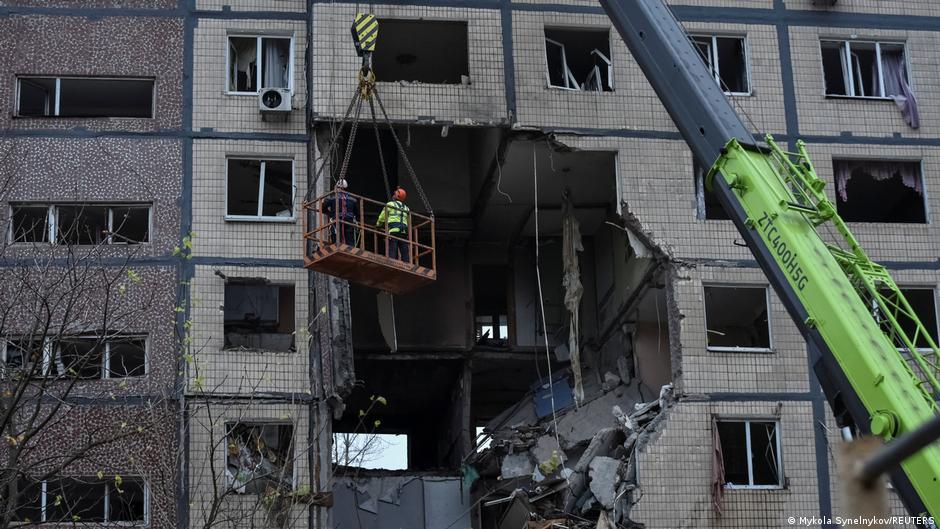
Russian missile and drone strikes reduced Ukraine’s power generation capacity to zero. Hundreds of drones and dozens of missiles targeted energy facilities across multiple Ukrainian regions.
11 outlets told this the same way.
Outlets did split on Russian Attack Kills At Least 33 On Two Buses In Kramatorsk →
Ukraine Power Grid Attacks
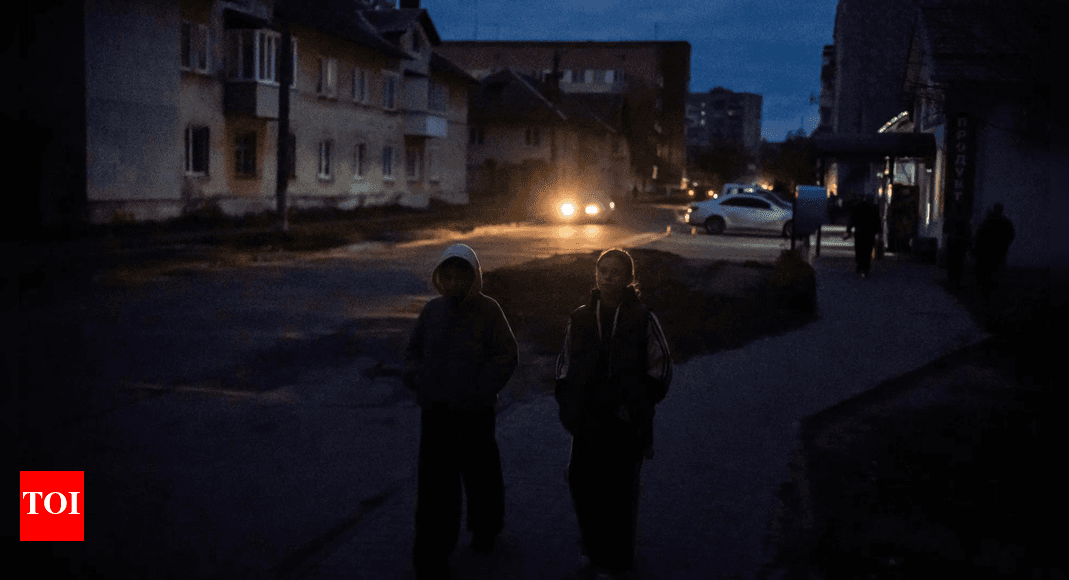
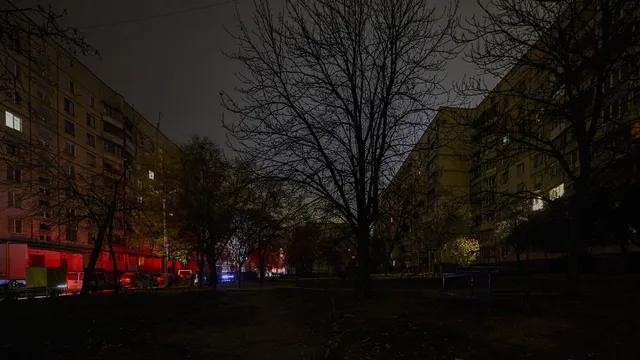
Russian drone and missile barrages have slashed Ukraine’s electricity generation to zero, forcing sweeping blackouts and threatening basic services across the country. State utility Centrenergo confirmed the complete loss of production capacity after “hundreds” of overnight strikes on energy sites. National grid operators warned of 8–16 hour daily outages while repairs and rerouting continue.
“Recent Russian drone and missile strikes have severely damaged power facilities, reducing Ukraine’s electricity generating capacity to zero and causing disruptions to electricity, heating, and water supplies in multiple cities.”
Impacted regions include Kyiv, Dnipropetrovsk, Donetsk, Kharkiv, Poltava, Chernihiv, and Sumy. Several outlets describe the scale differently: some note “hundreds” of drones and missiles and widespread facility damage. Others specify that Russia used around 450 drones and 45 missiles in a single night of attacks targeting power infrastructure restored after earlier strikes.

Infrastructure Damage and Casualties
Beyond blackouts, multiple sources detail broad disruptions to electricity, water, and heating. They diverge on casualty counts. abcnews.go reports utility outages in the Poltava and Kyiv regions and frames this as the ninth major hit on gas infrastructure since October.
It also relays Russia’s claim that the strikes were retaliation for alleged Ukrainian attacks on Russian civilian sites. Casualty figures vary markedly: Al Jazeera reports at least 11 killed in more than 500 air strikes overnight.

The Guardian notes at least seven deaths. The Independent records at least three, underscoring uncertainty amid ongoing assessments.
Nuclear Safety Concerns Amid Strikes
Strikes on power infrastructure have increased fears about nuclear safety. Multiple sources report that Russian drones targeted electrical substations connected to the Khmelnytskyi and Rivne nuclear power plants. These attacks have led to calls for intervention from the UN nuclear watchdog.
“Russian drones targeted nuclear power substations linked to the Khmelnytskyi and Rivne plants, prompting Ukraine's Foreign Minister to call for an urgent IAEA meeting over nuclear safety concerns.”
Ukrainian officials have publicly urged the international community to take action. One source warned that Russia was intentionally putting Europe's nuclear safety at risk.
At the same time, Kyiv has pushed for punitive measures against Russia's nuclear energy sector. These measures include calls for tougher sanctions and asset freezes as part of a wider pressure campaign.
Ukraine's Air Defense Challenges
Ukraine’s defenses blunted but could not fully stop the onslaught. Several reports say most drones were downed, but only a fraction of missiles were intercepted, with ballistic and even hypersonic threats complicating defense.
Some outlets quantify the intercepts—Ukrainian forces reportedly shot down over 400 drones—while others speak more generally about intercepting the “majority” of drones and “some” missiles. Ukrainian officials stressed that ballistic missiles are difficult to intercept, underscoring why wide-area outages persisted despite active air defenses.
Context of Recent Energy Attacks
The assaults unfolded alongside a broader escalation in the war and diverging international narratives. DW situates the strikes within intensified front-line fighting and Ukrainian drone retaliation inside Russia, while also noting nuclear-test signaling and hybrid warfare. abcnews.go places the energy attacks in a pattern, calling this the ninth major strike on gas infrastructure since October.
“Russia has launched heavy air and drone attacks on Ukrainian cities and energy infrastructure, causing casualties and power outages, while Ukraine retaliates with drone strikes on Russian regions Saratov and Vologda.”
The Independent adds political and military context, from Kyiv seeking more Patriot systems and experimenting with incentives for drone warfare, to European politics around Russian energy. Meanwhile, the Times of India piece is not a conventional report but a meta overview that merely flags the Ukraine power crisis as a recent headline, an atypical and off-topic format compared with detailed incident coverage elsewhere.