Ukraine War10 October, 20252 min read
Russia Launches Massive Missile and Drone Strikes on Kyiv Energy Grid, Killing Child and Injuring Dozens
This article is an automated aggregation of coverage from news outlets. Our editorials offer in-depth analysis curated by the NewsCord team.
Russian missile and drone strikes caused widespread power outages in Kyiv and nine regions The attacks killed a seven-year-old child in Zaporizhzhia and injured at least 20 people nationwide
50 outlets told this the same way.
Outlets did split on Russian Attack Kills At Least 33 On Two Buses In Kramatorsk →
Russia's Air Assault on Ukraine
Russia launched one of its heaviest overnight air assaults against Ukraine’s energy system. The attacks struck Kyiv and multiple regions with drones and missiles, plunging wide areas into darkness as winter nears. Reports commonly cite over 450 drones and about 30 missiles used in the assault.
“A Russian missile strike in southern Zaporizhzhia killed a seven-year-old boy and injured seven others... Russia's defense ministry claimed the ‘massive’ attack... targeted Ukrainian energy facilities linked to the military-industrial complex.”
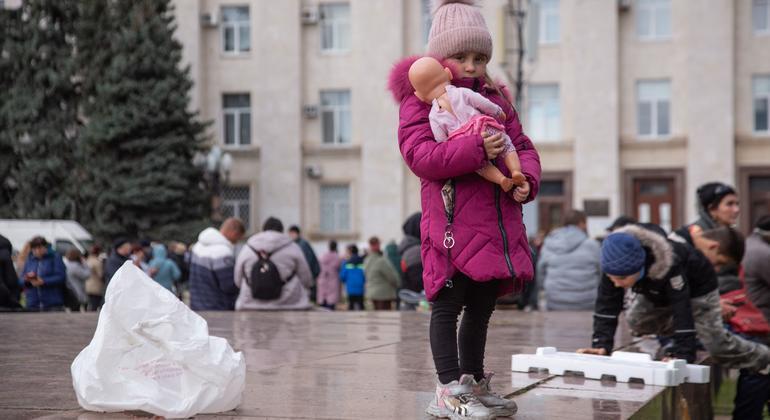
The strikes caused blackouts, water disruptions, and transport delays across affected areas. Officials confirmed that a seven-year-old child was killed in Zaporizhzhia and dozens were injured nationwide. Ukrainian leaders condemned the raids as deliberate attacks on civilian and energy infrastructure.
They urged allies for more air defenses and tougher sanctions in response to the attacks. Russia, by contrast, describes the operation as targeting energy sites linked to Ukraine’s military industry. The scale, timing, and civilian impact of the assault signal a renewed campaign to break Ukraine’s resilience ahead of the heating season.
Impact of Strikes on Kyiv
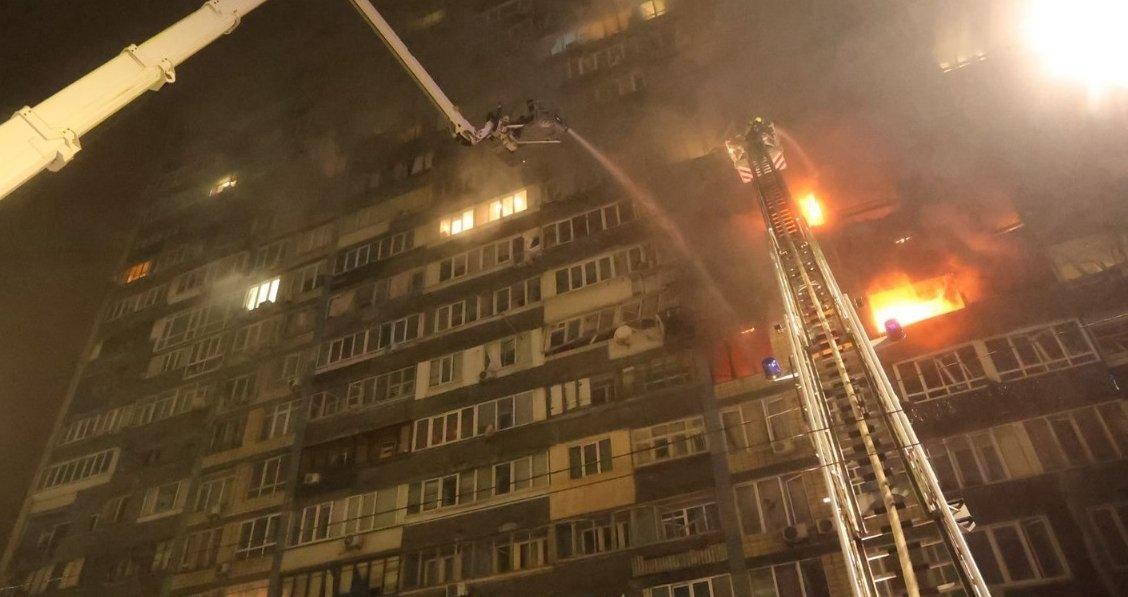
Kyiv bore the brunt of the strikes, with the city’s left bank losing power. Fires broke out in high-rise apartments, causing water disruptions. A key metro link across the Dnipro was halted, forcing residents onto buses and emergency water points.
Officials and media described evacuations from a burning 17-story residential block. Injuries in the capital ranged from nine to at least 20, highlighting varied casualty reports across outlets.
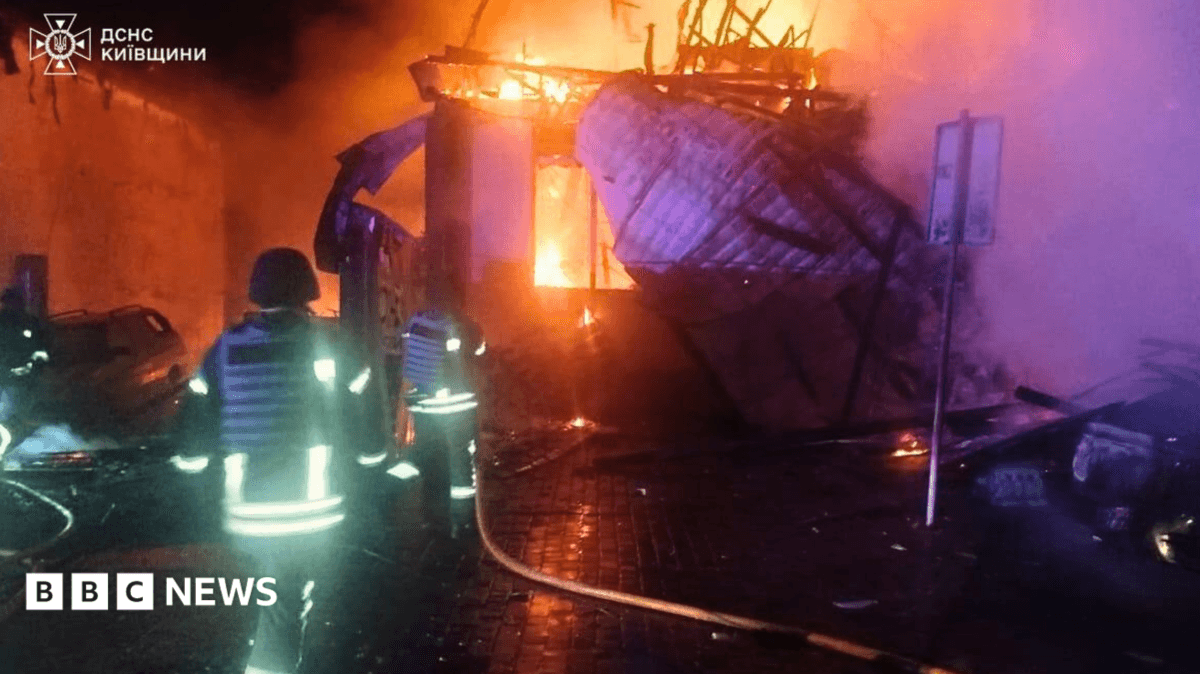
Apartment fires and falling drone debris were reported in the Pecherskyi district. Emergency crews battled blazes and restored partial services.
Damage to Ukraine's Energy Infrastructure
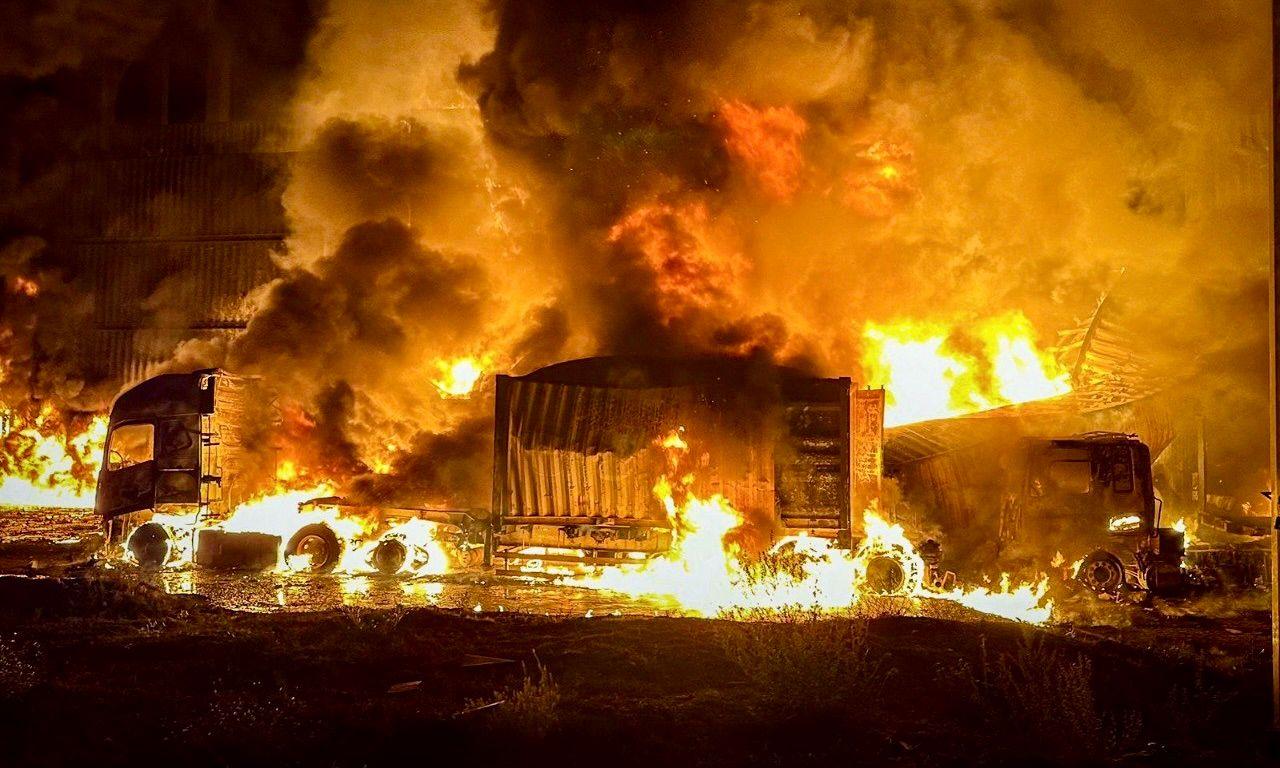
Beyond Kyiv, the nationwide energy grid absorbed severe damage. Multiple regions experienced power and water outages. Thermal power plants were hit hard, and gas production suffered major losses.
“Ukrainian officials report that nearly 60% of the country’s gas production has been damaged by recent attacks.”
Some reports specify strikes on hydroelectric plants and the CHP‑6 power station. Other sources highlight broader, systemic damage aimed at undermining civilian morale during winter. Analysts warn that with more than half of domestic gas output already destroyed, Ukraine may face costly imports to heat homes if attacks continue.
Conflicting Views on Energy Strikes
Competing narratives hardened after the strikes. Kyiv Post, a local Western source, reports that Ukraine’s foreign minister called the deliberate targeting of energy infrastructure during cold weather an act of "genocide" under the Genocide Convention. He urged for tougher sanctions and improved air defenses.
Western mainstream outlets documented similar condemnations. Moscow, meanwhile, claims it targeted energy facilities connected to the military-industrial complex or acted in retaliation for Ukrainian attacks on civilians. The clashes in framing unfolded as Ukraine highlighted the issue at forums like G7 energy ministers’ meetings and appealed to allies for more support.
Ongoing Recovery and Evacuations
Recovery is ongoing amid continued risk. Reports describe hundreds of thousands without electricity at the peak, with some outlets noting around 600,000 households affected and others saying 380,000 customers in Kyiv still disconnected days later. Authorities set up water distribution points and replacement buses as repairs advanced.
“A large-scale Russian missile and drone attack... has left over 800,000 customers in Kyiv without power, with 380,000 still disconnected days later.”
Meanwhile, Ukraine evacuated vulnerable civilians from frontline areas and signaled it would keep striking Russian infrastructure in response. A West Asian outlet also reports on broader geopolitical angles and evacuations, though it includes politically charged claims that sit outside most coverage.