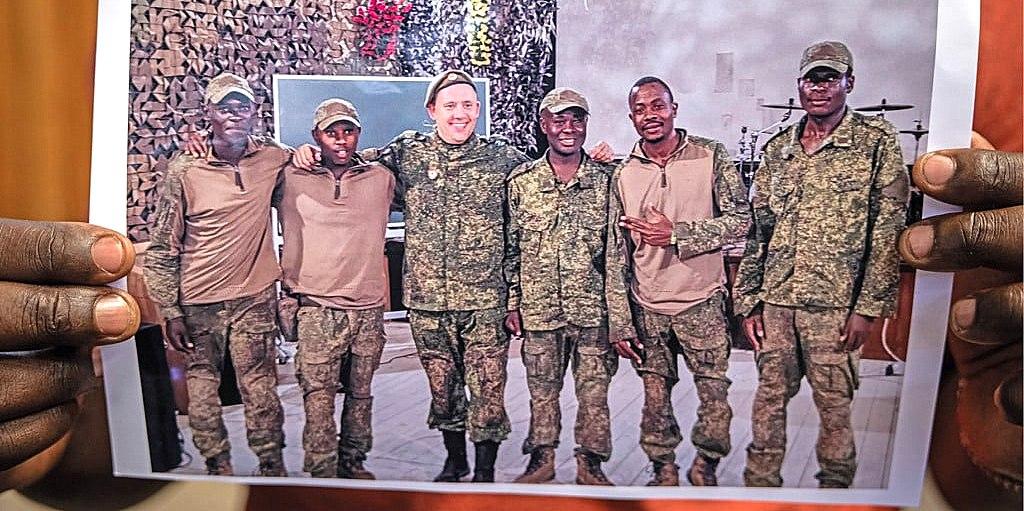
Russia Reintroduces Drone Training In Schools, Including Hand Grenade And Kalashnikov Modules
Key Takeaways
- Drones dominate Russia's youth military recruitment and training initiatives.
- Programs target university students and senior high school pupils.
- Outlets describe the move within Ukraine war mobilization context.
Schools taught drones
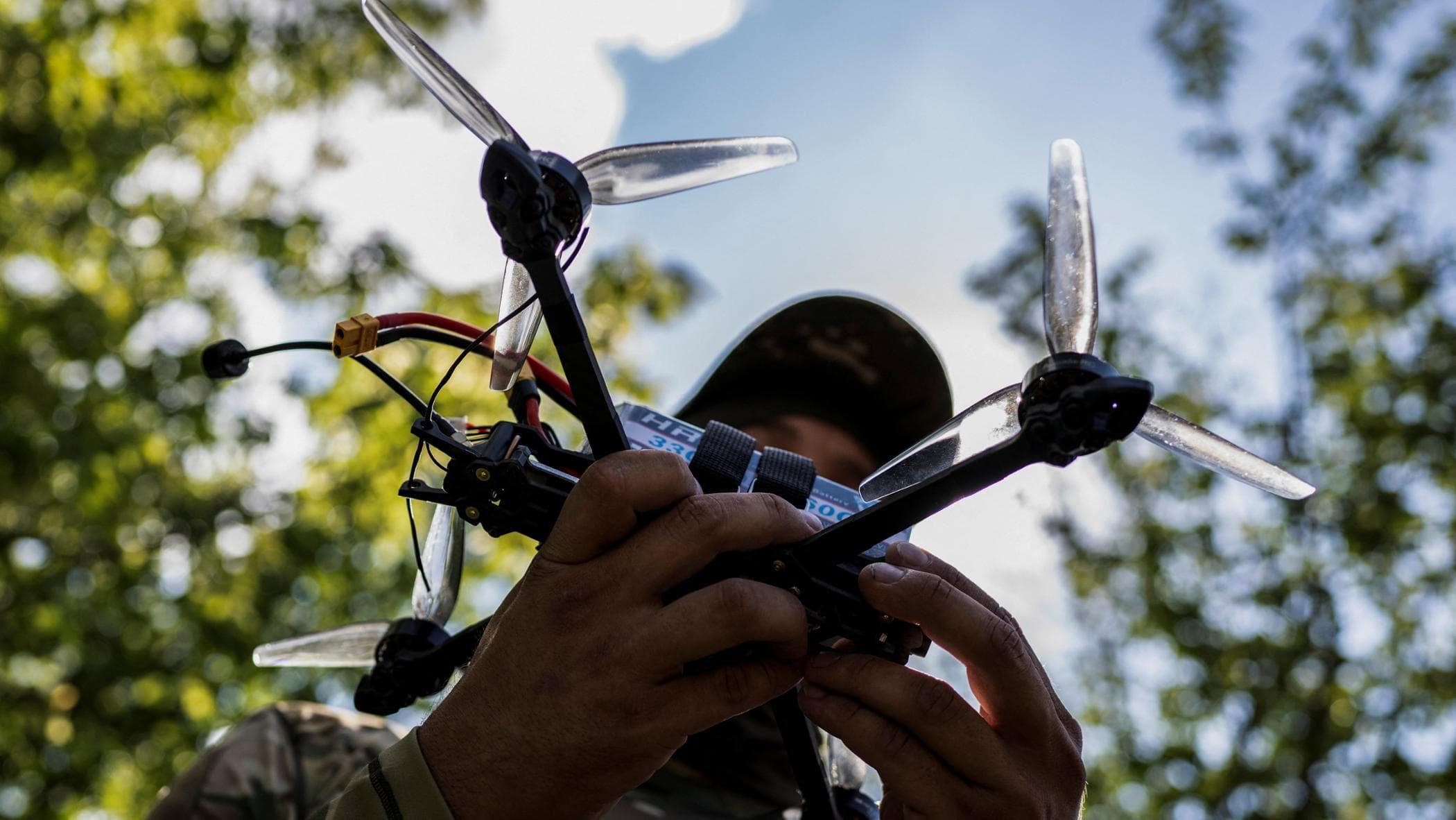
Russia is reintroducing basic military training in schools, with the program published by the Ministero dell’Istruzione covering students in the last two years of secondary school and including training in the use of drones in combat.
“- Published "He studied drones for three months - and yet they still threw him into a frontal assault, into the meat grinder," said Valery Averin's foster mother Oksana Afanayeva”
The plan is described as being articulated in nine modules, including “progettazione e utilizzo di bombe a mano” and “nozioni di base sul fucile d'assalto Kalashnikov,” and it is framed as returning after more than thirty years from the abolition of “nachalnaja voennaja podgotovka” (Nvp) in 1990.
The initiative is linked to the party “Russia Giusta – Per la Verità,” whose leader Sergej Mironov said it would “Consentirà di preparare sistematicamente i nostri cittadini a un possibile confronto con il nemico”.
The same source says President Vladimir Putin backed the idea of early professional orientation toward drone use, adding that he “Sostengo pienamente le proposte avanzate dalle nostre aziende affinché i ragazzi possano imparare a utilizzare,assemblare e progettare droni”.
In parallel, the BBC reports that Russia is also looking to students to make up for mounting losses in Ukraine, describing the recruitment of university and college students into drone forces and the deaths of early recruits.
Video games to war
A separate investigation described how a Russian video game called Berloga, released in 2022, became a pipeline into military-linked drone work, with the state-backed network steering young people toward “the future engineers of Russia's war machine.”
The La Stampa account says the investigation by The Insider describes a “well-oiled state program that exploits the brightest minds among Russian youths to strike Ukrainian cities,” and it describes teenage finalists who work on drone technologies while being asked to mask the military applications.
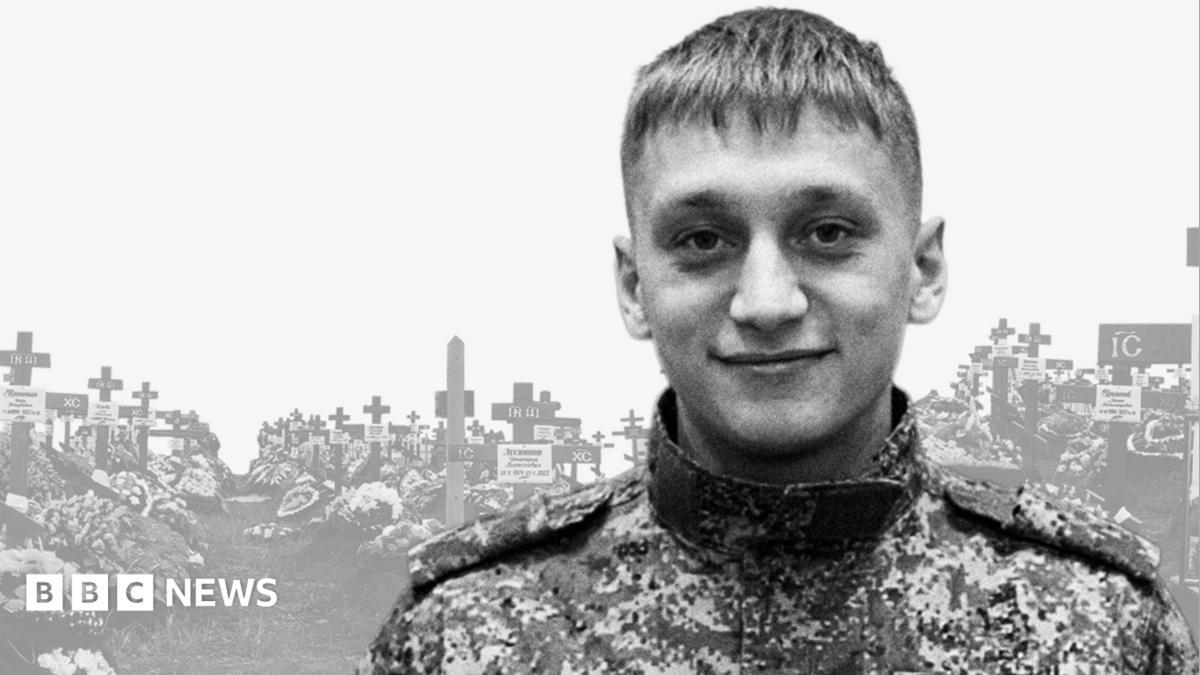
The BBC provides a human counterpoint by quoting foster mother Oksana Afanayeva, who said of Valery Averin that “He studied drones for three months - and yet they still threw him into a frontal assault, into the meat grinder,” after he signed up as part of a drive to recruit young people into Russia’s drone forces.
In the BBC’s reporting, Averin called his foster mother in early April to say he was being sent somewhere “with no [phone] signal,” and a week later on 8 April she learned he had been killed in a mortar strike near Russian-occupied Luhansk in eastern Ukraine.
The La Stampa piece also describes how the Sirius Center events and other competitions are presented as recruitment, quoting Yelena Shmeleva on television that “These competitions help societies identify future collaborators while they are still in school.”
Losses, contracts, and scale
The BBC reports that the three former students—Abdullin, Gorbunov and Averin—are among 230,407 Russian soldiers and officers whose deaths have been verified by the BBC, and it says the real death toll is believed to be far higher.
“Everything starts with a video game called Berloga, released in 2022, in which smart bears must defend themselves from swarms of bees, sometimes using drones”
It adds that the analysis implies a total between 417,000 and 509,500, and it notes that the UK’s biggest spy agency, GCHQ, said in May the number was almost 500,000.
Against that backdrop, the BBC describes Russia offering students a special one-year contract to serve in a new branch of the military known as “unmanned systems troops,” and it says Russian Defence Minister Andrei Belousov said in November 2025 the force would primarily seek to attract under-35s.
The La Stampa investigation links the same drone-centered recruitment logic to industrial scale, describing the Elabuga plant as the main factory for Geran kamikaze drones and saying the state channel Zvezda showed teenage students “14 and 15 years old” working in production workshops.
In the broader war context, Remocontro frames the conflict as sustained by “international availability of cannon fodder,” while the BBC emphasizes that replacing the dead and wounded has become key to maintaining Russia’s full-scale war in Ukraine.
More on Ukraine War
Trump and Putin Meet at Elmendorf-Richardson Base in Anchorage to Discuss Peace in Ukraine
13 sources compared
Ukraine Denies Russia Captured Kostiantynivka, Says City Remains Under Ukrainian Control
20 sources compared
Ukrainian Drones Strike St Petersburg Oil Terminal and Kronstadt Naval Base
24 sources compared
Zelenskyy Says Ukraine Can Surpass Russia in Technologically advanced Weapons Production
11 sources compared