Canada12 November, 20252 min read
Russia Targets Ukraine's Energy Grid, Plunges Millions Into Blackouts Ahead of Winter
Russia conducts aerial attacks targeting Ukraine's energy infrastructure Millions of Ukrainians face rolling blackouts ahead of winter

12 outlets told this the same way.
Ukraine energy infrastructure crisis
Ukrainian officials and Western outlets report that intensified Russian aerial, missile and drone strikes have severely damaged Ukraine’s energy infrastructure, triggering rolling blackouts as the country heads into winter. ABC News said Ukraine was scrambling to fend off intensified Russian aerial, missile and drone strikes that caused rolling blackouts, highlighting immediate civilian risk and infrastructure strain.
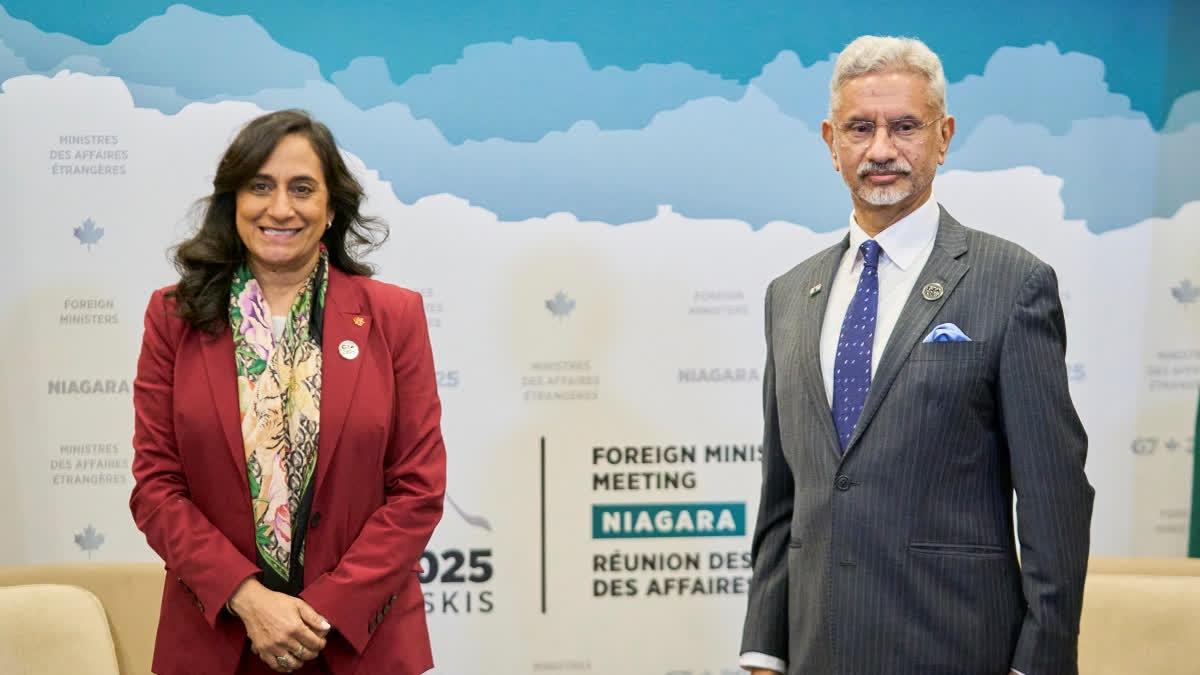
“Top G7 diplomats met with Ukraine’s foreign minister Wednesday in Niagara-on-the-Lake, Ontario, as Ukraine scrambles to fend off intensified Russian aerial missile and drone strikes that have caused rolling blackouts ahead of winter.”
Several G7 and partner governments are discussing emergency energy repairs and winterization support at diplomatic talks in Ontario, with news outlets noting pledges and planning for power, heating and water repairs. These developments frame the outages as both a humanitarian emergency and a strategic target in the Russia-Ukraine war.

Reporting on power outages
Reports differ on how the crisis is described and on how much detail is provided about the scale of outages. ABC News explicitly links Russian strikes to 'rolling blackouts,' while most other snippets focus on policy responses—funding pledges and G7 agenda items—without specifying precise numbers of people affected or the geographic scope of power losses. That lack of detailed casualty or outage figures across sources leaves the precise human scale unclear in these accounts.
G7: Ukraine energy and security
Diplomatic coverage shows the G7 talks in Ontario folding Ukraine's energy crisis into a broader security and supply-chain agenda.
“Key agenda items include advancing a durable Gaza ceasefire and reconstruction plan, strengthening support for Ukraine (including UK funding for energy and heating repairs ahead of winter), maritime security, Haiti, Sudan, supply chains and critical minerals.”
Multiple outlets report that energy, heating, and water infrastructure repairs for winter are on the table.
They also report that a working lunch will address energy and critical minerals deemed important for security, with Canada's list of minerals of interest to the U.S. Pentagon repeatedly noted.
These items suggest allied governments are linking immediate humanitarian repairs with longer-term supply-chain and national-security considerations.
Allied responses to Ukraine
Concrete pledges and policy responses appear, but reporting shows variation in emphasis. Several outlets report Britain’s £13 million pledge to repair Ukraine’s power, heating, and water infrastructure ahead of winter, and note that Canada echoed this support.
Other outlets foreground sanctions and defense requests, such as Ukraine’s plea for Patriot systems and Canada’s sanctions on entities tied to Russia’s drone program. The combined coverage indicates a mix of humanitarian assistance, military requests, and punitive measures in allied responses.

Outages, repairs and diplomacy
What remains unclear from the supplied reporting sample is the full scale and duration of outages. Also unclear is the timeline for pledged repairs. It is likewise uncertain how ongoing diplomatic tensions — especially over trade and defence spending — will affect coordination of aid.
“The article reports that the U.S. president has prioritized pressing other countries on trade grievances over deeper collaboration with G7 partners.”
Multiple sources note broader friction in G7 relations and U.S. domestic politics around trade and defence, which could complicate unified responses. This geopolitical context is often presented alongside but separately from the immediate energy crisis coverage.