Full story
Engine failure after takeoff
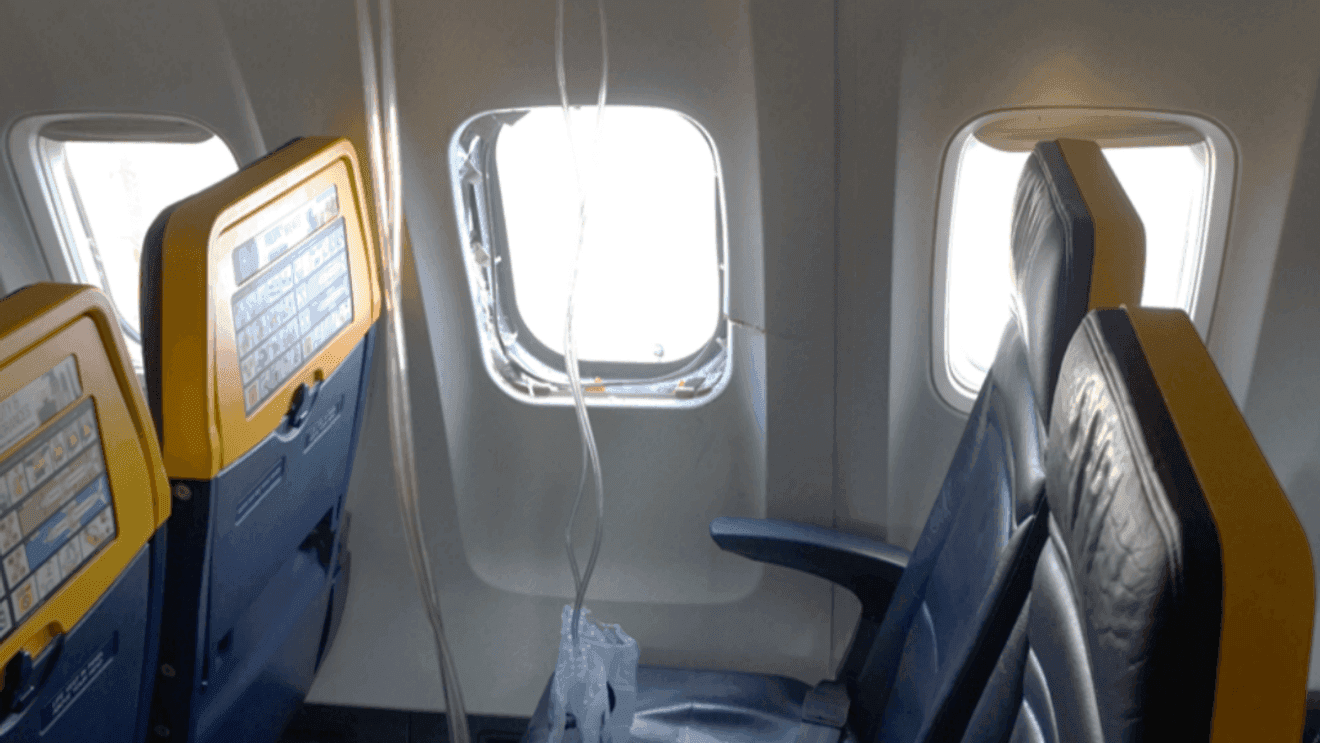
A Ryanair Boeing 737-800 suffered an uncontained engine failure shortly after takeoff from Thessaloniki, Greece on July 10, when a fan blade in the aircraft’s right engine fractured and sent debris through the fuselage, damaging the plane and shattering a passenger window in row 11.
“Bird remains were reportedly found in two of the cases”
The National Transportation Safety Board said it found bird remains inside the engine, suggesting the plane may have struck birds as it took off, and the incident caused rapid loss of cabin pressure with oxygen masks dropping from the ceiling.

The 61-year-old passenger seated next to the broken window was partially pulled into the opening before other passengers dragged him back inside, and he suffered neck and shoulder injuries and friction burns.
Flight attendants told investigators they heard and felt loud continuous vibration and saw smoke or fog inside the cabin before the oxygen masks dropped, and one flight attendant noticed passengers standing and calling for help because the man was partially lodged in the damaged window.
The flight returned safely to Thessaloniki about an hour after taking off, and the NTSB said the aircraft was headed to Memmingen, Germany when the failure occurred.
NTSB probe and disputes
The NTSB said four suspected bird strikes to the airplane’s No. 2 engine were reported by flight crews in the 12 months preceding the accident, and it reported that bird remains were found in two of those cases.
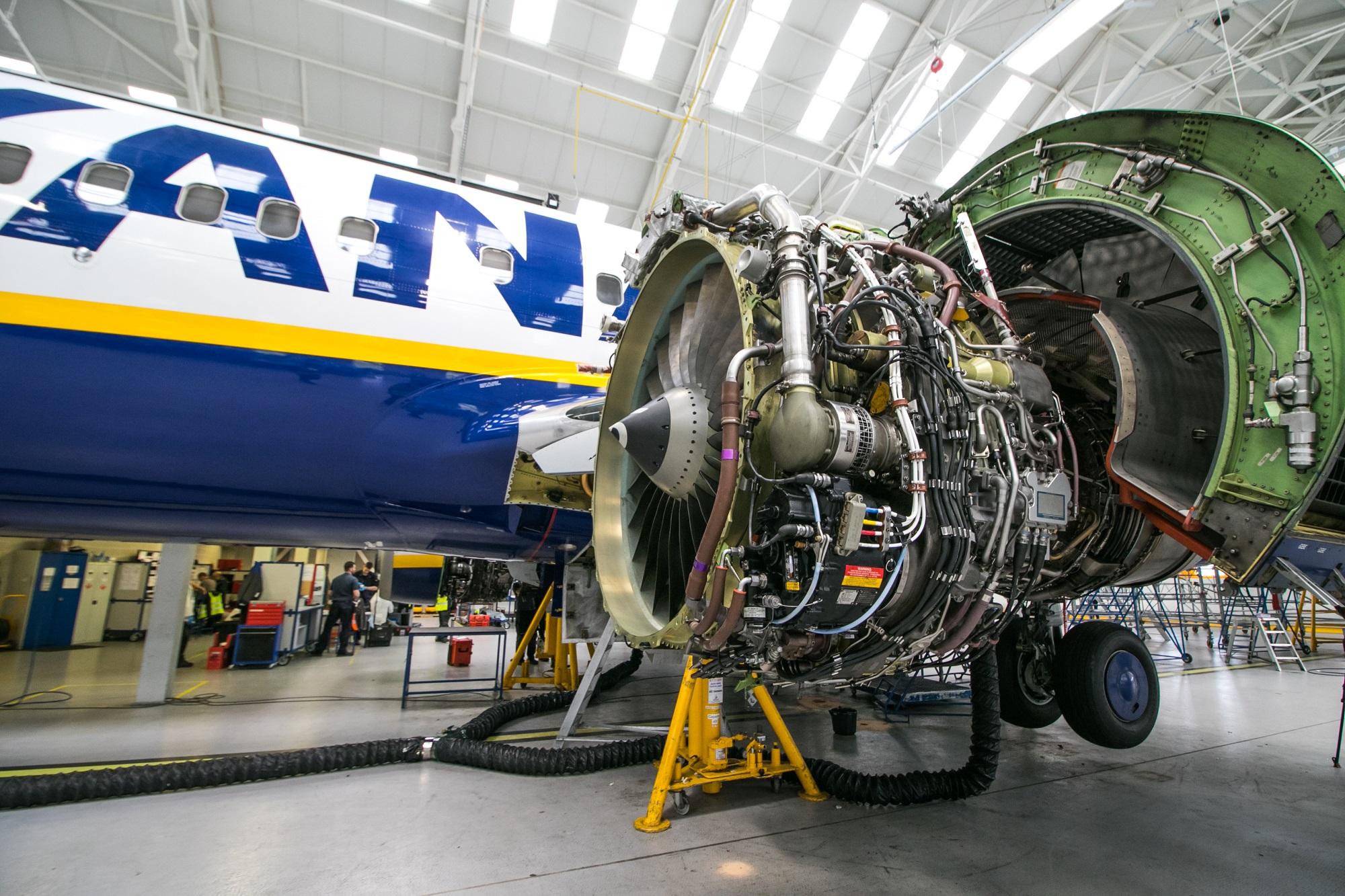
In the preliminary report, investigators said the CFM engine had been inspected in May with no findings, and they recovered three loose fan blade fragments from the engine after the July 10 failure.
The NTSB reprimanded Ryanair CEO Michael O’Leary after he told investors that the investigation was focused on foreign object damage and not the plane’s age or maintenance history, and the agency said investigators hadn’t ruled anything out and O’Leary wasn’t authorized to discuss it.
Jeff Guzzetti, a former NTSB and Federal Aviation Administration investigator who reviewed the preliminary report, said, "We know what happened and even to some extent why it happened, but there’s still unanswered questions that the NTSB will get at," while the NTSB continued looking at whether the incident is similar to previous engine failures.
Ryanair declined to comment further until the NTSB investigation is complete, while Boeing and CFM International said they were assisting with the investigation.
Safety deadlines and next steps
The NTSB said investigators also found signs of metal fatigue at the base of the fan blade that broke off, despite recent inspections, and it determined that engine fragments breached the fuselage and the cabin depressurized.
“The NTSB's final report will likely come within the next 12 to 24 months”
Investigators said engine updates required for U.S. airlines to complete by 2028 had not been made on this aircraft, and the FAA had issued three airworthiness directives in 2025 requiring modifications intended to reduce the risk of engine inlet and cowling debris striking the aircraft following a fan blade failure.
The FAA directives, which took effect in April 2025, required changes including revised fasteners, spacers and maintenance procedures, and the FAA gave airlines until July 2028 to complete the major modifications.
The NTSB report said the required changes had not yet been made to the Ryanair plane, and Guzzetti said the latest accident could prompt the FAA and NTSB to examine whether that July 2028 deadline should be moved up.
The NTSB’s final report is expected within the next 12 to 24 months, and the agency said it is still investigating whether the incident is similar to other cases, including an April 2018 Southwest Airlines engine failure that killed a passenger who was partially sucked out of a broken window.