Sudan03 June, 20263 min read
SAF And RSF Ravage Khartoum, Leaving Ghost Town Streets And Explosive Debris
This article is an automated aggregation of coverage from news outlets. Our editorials offer in-depth analysis curated by the NewsCord team.
Khartoum described as a ghost town with burnt buildings amid intensified fighting. Food and fuel reserves dwindling; famine threatens humanitarian conditions.

Khartoum under bombardment
Khartoum has been ravaged by fighting between the Sudanese Armed Forces (SAF) and the Rapid Support Forces (RSF), with residents sheltering in basements as explosions, gunfire, and air strikes continue to shake the Sudanese capital. Middle East Eye reported that the battle for control of sites between SAF and RSF “remains ongoing on Tuesday morning,” and said at least 185 people were killed and 1,800 others wounded according to the head of the UN mission in Sudan. The same account described electricity cut for more than 24 hours, leaving streets plunged into darkness at nightfall, while the urban horizon was lit by buildings set on fire by SAF airstrikes and artillery fire and anti-aircraft fire carried out in response by RSF fighters.
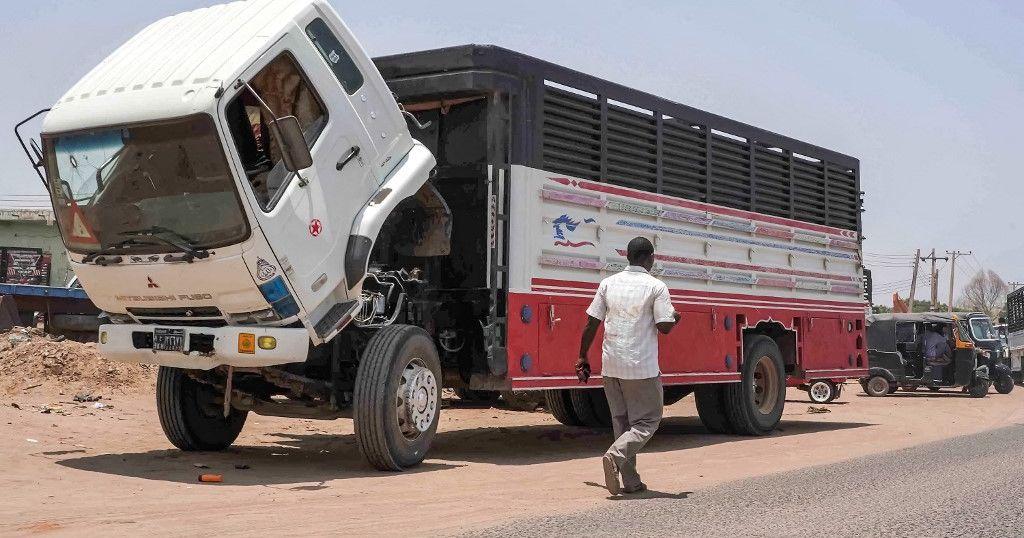
UN News described Khartoum as “a ghost town,” saying a city once lively has become unrecognizable, with streets littered with explosive debris and trauma everywhere. As the conflict has intensified, Africanews reported that since the war began on April 15, 90% of road transport traffic has disappeared, leaving truckers idle and hundreds of trucks parked near Wad Madani, 200 km south of Khartoum.
Voices, claims, and fear
In Khartoum, residents described the violence in personal terms, with a Middle East Eye interview from the Khartoum 2 neighborhood saying, “This is the loudest noise I’ve ever heard in my life,” and adding that windows were blown out and doors ripped off. Middle East Eye also reported that the SAF said it controlled the RSF's main bases at Merowe and in other areas, while the RSF said it controlled the presidential palace, the Jebel Aulia airbase, and part of the army headquarters. The UN News account quoted Edem Wosornu, director of operations at OCHA, warning that “a true catastrophe is at work,” marked by bombardments of civilians, drone strikes, and besieged cities.
Africanews framed the disruption through the experience of truck drivers, quoting one man near Wad Madani saying, “It’s been three weeks since I loaded a single load,” as he chain-smoked hookah while sipping coffee. Africanews also reported that Mohammed al-Tijani said trips to the ports have been lengthened by at least 400 km due to bypassing Khartoum under artillery fire, combat aircraft, and checkpoints of various forces deployed.
Humanitarian stakes and return
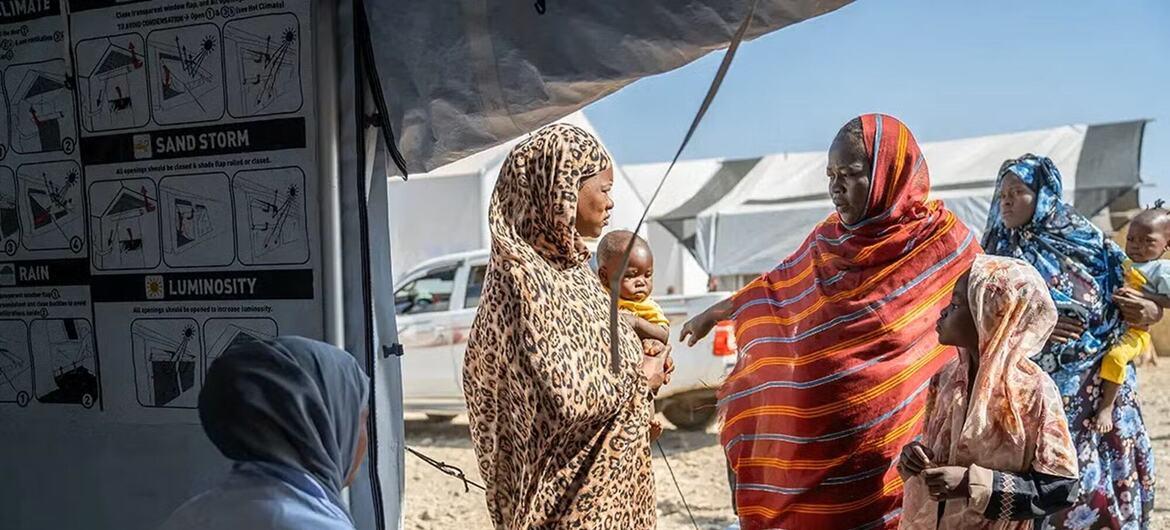
UN News said the humanitarian crisis is driven by famine and disease threats, stating that about 30 million people are in need, four million refugees are in neighboring countries, and more than 600,000 Sudanese are struck by famine. UN News also said the OCHA director of operations called for humanitarian access to be guaranteed hampered by fighting, notably to El Fasher, the capital of North Darfur, where 70 aid trucks are currently blocked. In parallel, UNFPA described parts of Khartoum as a “ghost town” teeming with burnt buildings and darkness, while deputy executive director for management Andrew Saperton said “people are coming back to it, because no one wants to stay indefinitely inside displacement camps.”
UNFPA reported that only 63 per cent of health facilities are partially functioning and said recent violence left thousands of women and adolescent girls without access to emergency obstetric care and clinical care for rape cases. UNFPA further warned that protection services are currently only 20 per cent funded and health services are only 14 per cent, while Saperton said the reconstruction of the Dayat Hospital in Khartoum would make it capable of accommodating more than 50 deliveries per day and provide services free of charge thanks to government investments.