Syria26 December, 20252 min read
Saraya Ansar al-Sunnah Bombs Alawite Mosque in Homs, Massacres Eight Worshippers
This article is an automated aggregation of coverage from news outlets. Our editorials offer in-depth analysis curated by the NewsCord team.
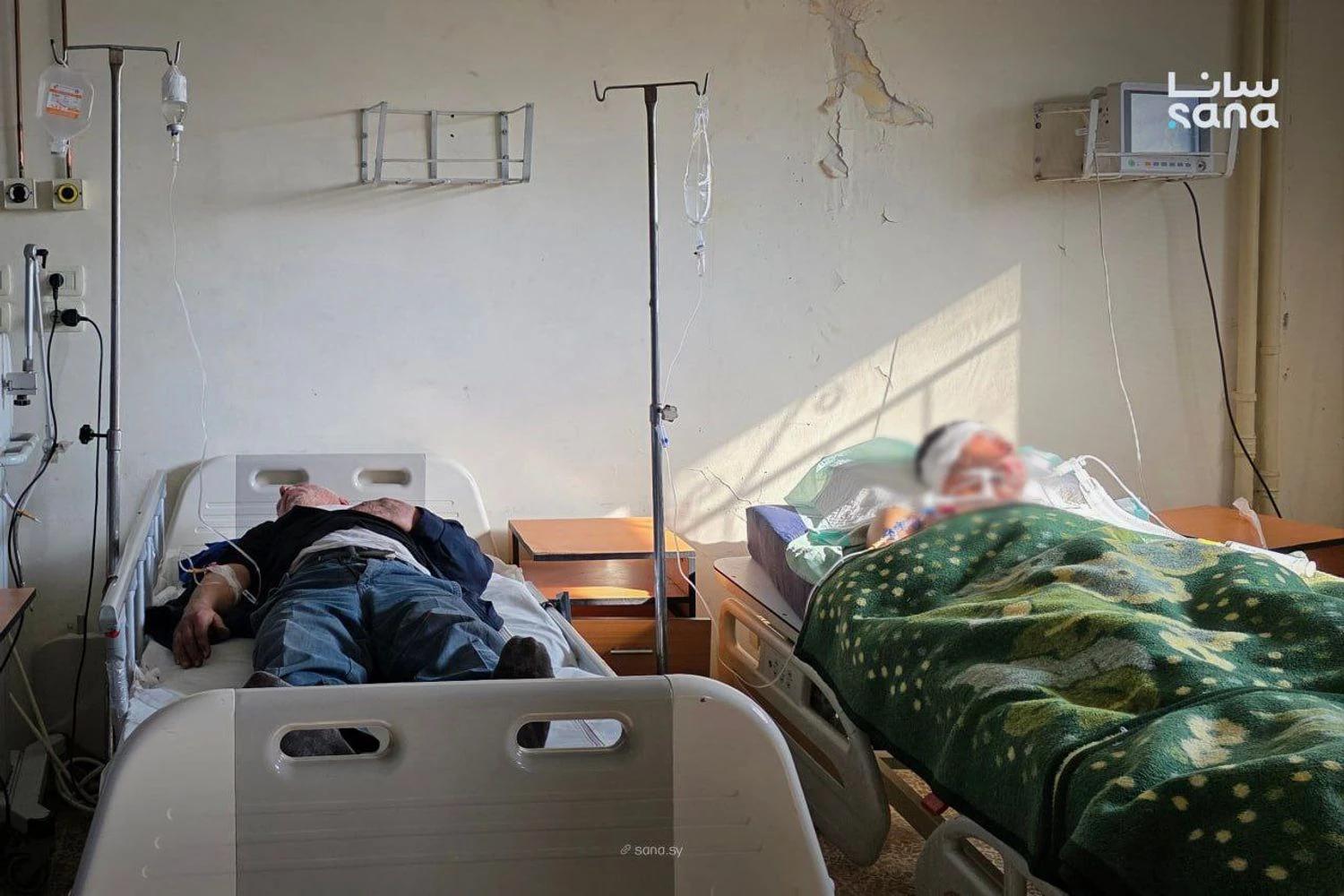
Explosion inside Imam Ali ibn Abi Talib Mosque in Wadi al-Dhahab, Homs, during Friday prayers Attack killed at least eight worshippers and wounded 18 people
69 outlets told this the same way.
Outlets did split on France Suspends Police Stun Grenades at High School Protests After 15-Year-Old Loses Hand →
Homs mosque bombing report
On Dec. 26 a powerful explosion tore through the Imam Ali bin Abi Talib mosque in the Wadi al‑Dhahab neighbourhood of Homs during Friday prayers.
“On Dec. 26, 2025 a blast tore through the Imam Ali bin Abi Talib Mosque in the Alawite-dominated Wadi al-Dhahab area of Homs during prayers, killing at least eight and wounding 18.”
The blast killed at least eight worshippers and wounded roughly 18–21 people, according to state media and multiple reporting outlets.

State news agency SANA and health officials are cited across reports.
SANA, quoted by several outlets, said preliminary investigations indicate explosive devices were placed inside the mosque and the Interior Ministry called it a 'terrorist explosion'.
A little-known group calling itself Saraya Ansar al-Sunnah claimed responsibility on Telegram.
Authorities and some monitors said investigations are ongoing and perpetrators have not been definitively named.
Damage and emergency response
Witnesses, state images and local reporting describe heavy interior damage, panic and an immediate emergency response. Photographs and footage shared by state outlets showed blood-stained carpets, holes blown through walls, shattered windows, and smoke or fire damage, and rescuers carrying the wounded to ambulances.
Several outlets also describe a fire that burned copies of the Qur'an and worshippers knocked to the floor by a loud blast; authorities sealed off the scene and specialized teams began collecting evidence. Local hospitals received casualties, and officials warned that figures could be preliminary and may rise.

Claim and competing narratives
A claim of responsibility circulated on Telegram from a group calling itself Saraya Ansar al‑Sunnah, and the group’s message and previous claims, including a June church suicide bombing, were repeatedly noted across outlets. Some reports quoted the group saying it "detonated a number of explosive devices," while analysts and international outlets described the group as obscure and possibly linked to or operating like Islamic State remnants, with some observers calling it a front or a closely affiliated cell. At the same time, Syrian officials publicly blamed "remnants of the former regime, ISIS militants and collaborators," creating competing narratives about who benefits and who carried out the attack.
“The militant group Saraya Ansar al-Sunna claimed responsibility, saying it ‘detonated a number of explosive devices’; the group had previously claimed a June church bombing in Damascus.”
Reactions to bombing
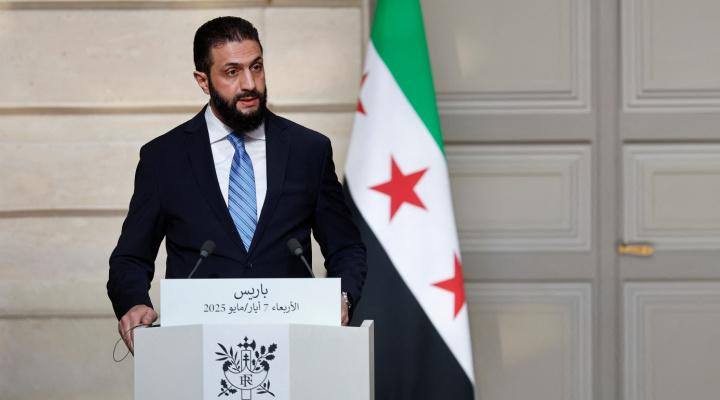
Syrian authorities, local Alawite leaders and regional capitals reacted strongly to the bombing. Damascus labelled the bombing a "terrorist crime", while the Interior Ministry and information officials blamed "remnants of the former regime, IS militants and collaborators." The Supreme Alawite Islamic Council accused the government of enabling an "organized extremist terrorism" campaign against Alawites.
Several neighbouring states and international figures condemned the attack. Some reports said UN Secretary-General António Guterres urged that those responsible be brought to justice. The incident intensified calls for tougher security measures and fed political blame-casting at home and abroad.

Mosque bombing context
Reporting places the mosque bombing in a broader, tense context. Outlets across source types describe renewed sectarian violence since Bashar al-Assad’s fall last year. They report earlier massacres in Alawite coastal areas.
“Homs has seen rising sectarian violence since the fall of Bashar al-Assad in 2024, with Alawite communities particularly vulnerable after mass killings in coastal areas earlier this year attributed to HTS and allied groups.”
They also note ongoing low-level IS-linked attacks and clashes between government and Kurdish-led forces. Analysts warn the attack could inflame sectarian tensions and complicate stabilization.
They say it could be used to justify further security crackdowns or retaliatory violence. Interpretations vary in tone depending on whether outlets emphasize official rhetoric, analyst caution, or local community alarm.