
Saudi Arabia Conducted Covert Strikes On Iran In Late March, Reuters Reports
Key Takeaways
- Saudi Arabia conducted covert, unpublicized strikes on Iran in late March, Reuters reports.
- Retaliation for attacks on Saudi Arabia during the Iran war, per sources.
- Represents first known Gulf-state offensive actions against Tehran since the February escalation.
Saudi strikes, late March
Saudi Arabia’s Air Force carried out numerous, unpublicized strikes on Iran in late March, in retaliation for attacks carried out in the country during the Iran War, Reuters reported on Wednesday citing two Western officials and two Iranian officials.
“ANI |Updated:May 13, 2026 06:11IST Riyadh [Saudi Arabia], May 13 (ANI): Saudi Arabia's Air Force carried out numerous, unpublicized strikes on Iran in late March, in retaliation for the attacks carried out in the country during the Iran War, Reuters reported on Wednesday, citing two Western officials and two Iranian officials”
ANI said the attacks were assessed to have been carried out in late March and that one Western official described them as "tit-for-tat strikes in retaliation for when Saudi Arabia was hit."
Reuters reported that it was unable to confirm what the specific targets were, and when requested for a comment a senior Saudi foreign ministry official did not address directly whether strikes had been carried out and the Iranian foreign ministry did not respond.
ANI added that Riyadh made Tehran aware of the strikes and that this was followed by intensive diplomatic engagement and Saudi threats to retaliate further, leading to an understanding between the two countries to de-escalate.
ANI said the informal de-escalation took effect in the week before Washington and Tehran agreed to a ceasefire in their broader conflict on April 7.
UAE covert attack claims
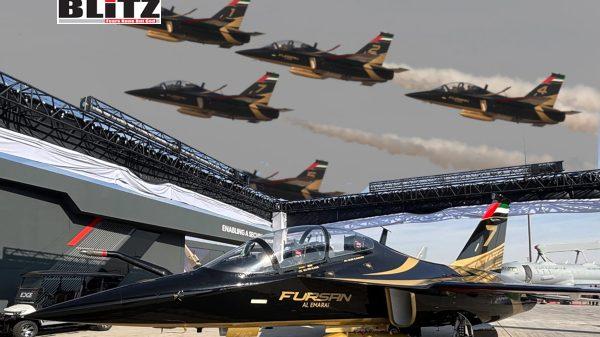
The Wall Street Journal and Reuters, as cited by Newsweek, said the United Arab Emirates targeted an Iranian oil refinery on Lavan Island in the Persian Gulf in early April in a secret operation not publicly acknowledged by the country.
Newsweek quoted Bilal Saab saying the UAE’s reported offensive action is a "big deal" because it represents the "operationalization" of the UAE’s decision to align with the U.S. and Israel.
Newsweek also reported that U.S. President Donald Trump described the ceasefire as "on life support," while Center for Strategic and International Studies Middle East Program Director Mona Yacoubian told Newsweek it is notable that the Emirati government has not confirmed the reports.
Mehr News Agency said Reuters carried the Saudi report citing "one Western official" describing the attacks as "tit-for-tat strikes" and said the agency was unable to independently confirm the targets of the attacks.
Mehr News Agency cited a senior Saudi foreign ministry official repeating Riyadh’s official line of "advocating de-escalation, self-restraint, and the reduction of tensions" in pursuit of regional stability and security.
De-escalation, retaliation risk
ANI reported that to prevent the conflict from escalating further, Saudi Arabia stayed in regular contact with Iran, including via Tehran's ambassador in Riyadh, after Riyadh made Tehran aware of the late-March strikes.
“## Market Snapshot The market for “Iran military action against neighbors” is currently inactive with no odds available”
ANI said one Iranian official confirmed that the two countries had agreed to de-escalate, saying the move aimed to "cease hostilities, safeguard mutual interests, and prevent the escalation of tensions."
PressTV said Western officials cited in the Reuters report said the kingdom subsequently "threatened" Tehran with "more retaliation," and it added that Iran’s Armed Forces responded by staging at least 100 waves of decisive and successful retaliation against American targets throughout the region.
PressTV also said Tehran would strongly advise those states against contributing to the aggression and noted that hosting enemy outposts had resulted in their insecurity rather than serving their interests.
In parallel, Newsweek reported that analysts told it the reported UAE and Saudi offensive actions could increase the risk of larger-scale retaliation from Tehran and broader instability across the Gulf.
More on Iran
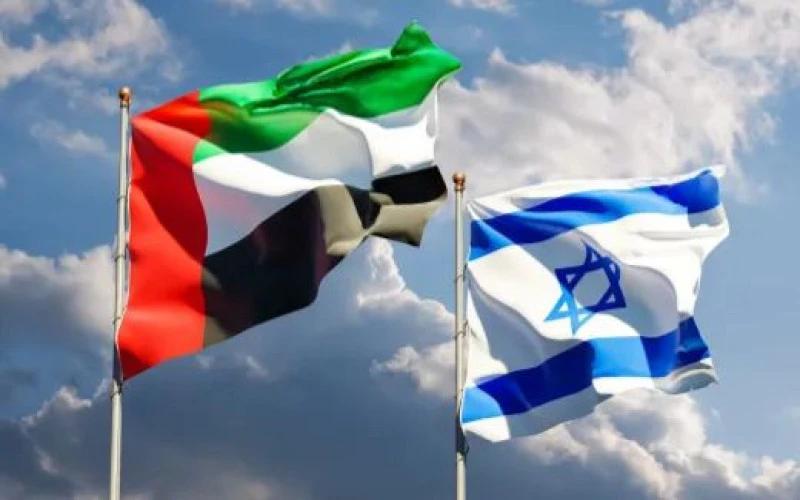
Mike Huckabee Says Israel Sent Iron Dome Batteries And Personnel To United Arab Emirates
15 sources compared

Donald Trump Meets Xi Jinping in Beijing to Discuss Iran War and Strait of Hormuz
56 sources compared
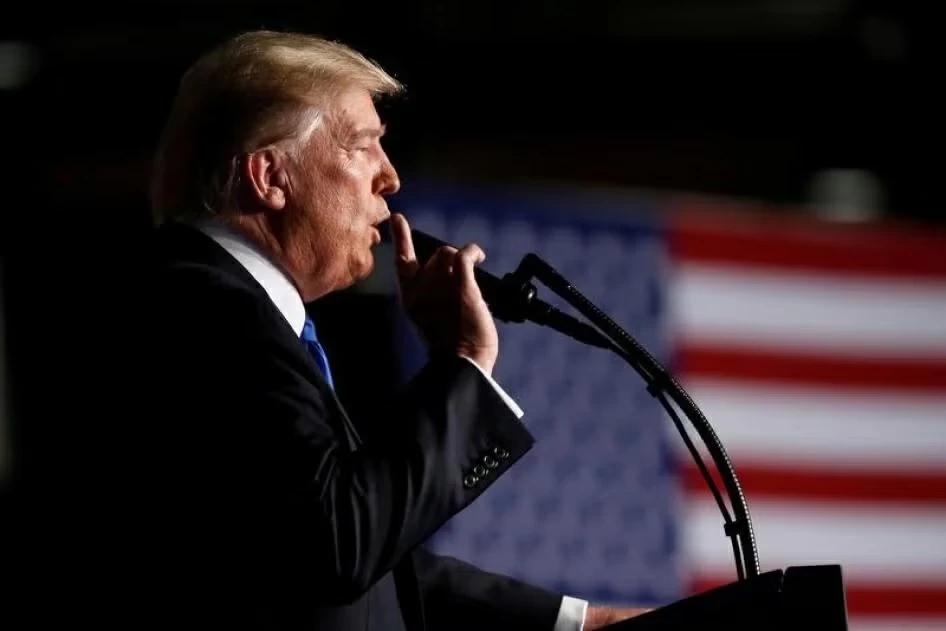
Trump Says Iran Ceasefire Is On Life Support After Iran Rejects U.S. Proposal
43 sources compared
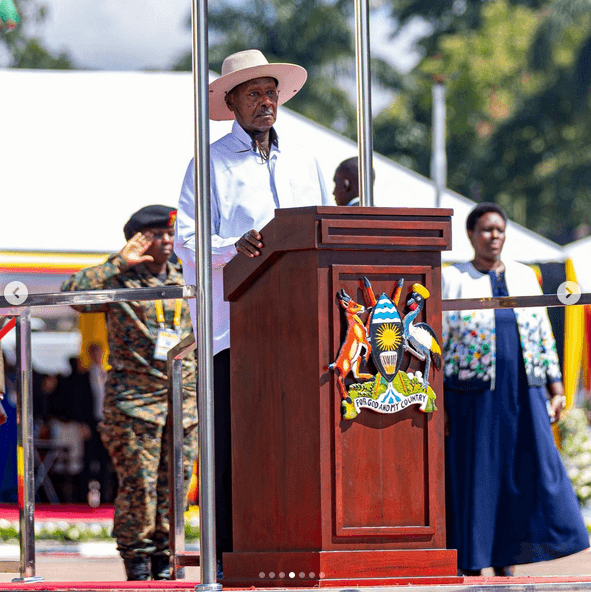
Yoweri Museveni Sworn In For Another Five-Year Term In Kampala
16 sources compared