Full story
Saudi-Houthi talks gain momentum
Following the agreement on restoring relations between Saudi Arabia and Iran, signed in the Chinese capital, Beijing, in March 2023, Saudi–Houthi negotiations gained new momentum after a joint statement by Saudi Foreign Minister Faisal bin Farhan and Iranian Foreign Minister Hossein Amir-Abdollahian on April 6, 2023.
“Saudi–Houthi negotiations gained new momentum”
That momentum included a visit of two Saudi and Omani delegations to the Yemeni capital, Sanaa, on the ninth of the same month, where they met with Mahdi al-Mashat, the head of the Supreme Political Council of the Houthis.
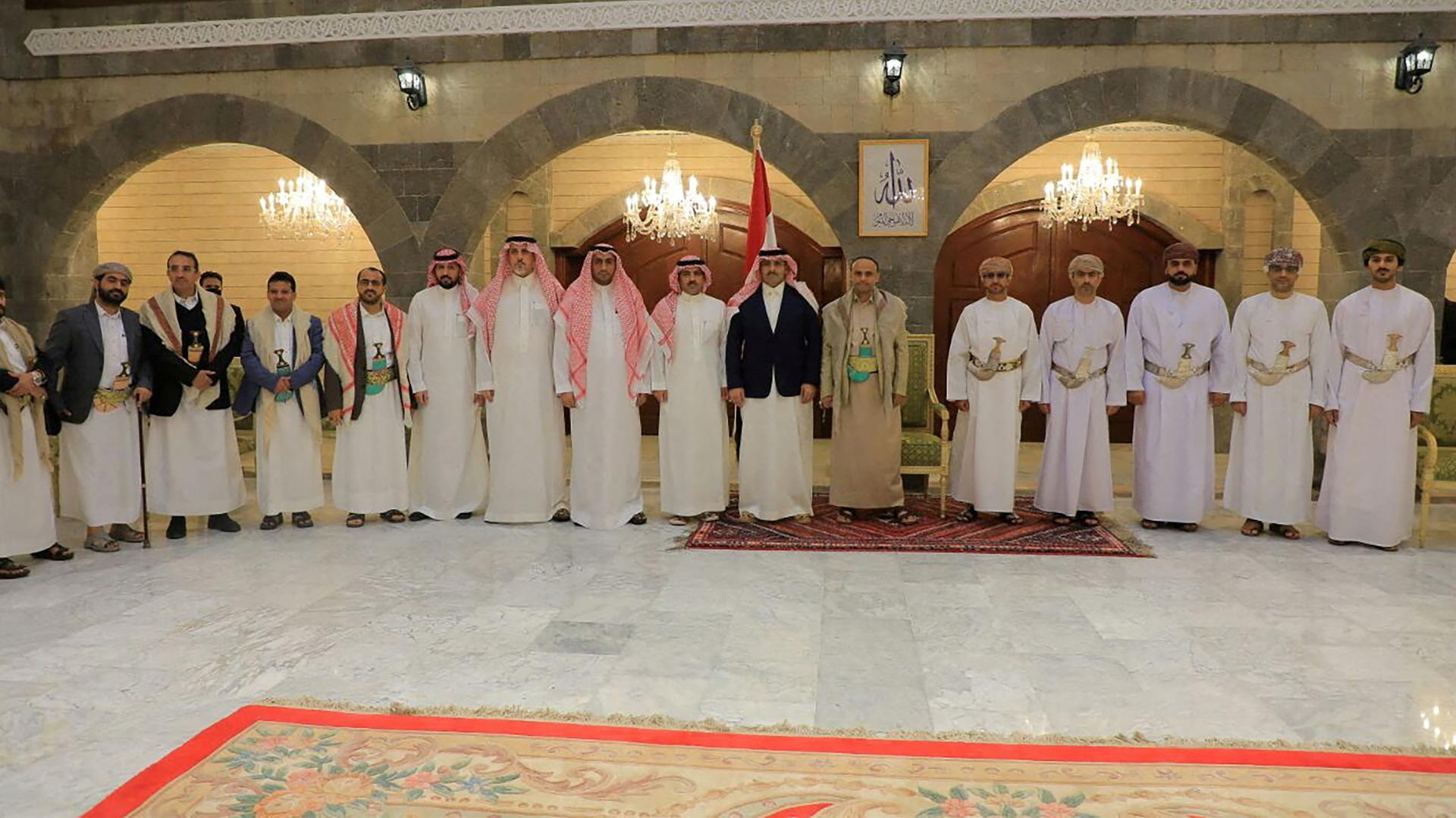
At the same time, Riyadh released 13 Houthi prisoners as part of a larger prisoner exchange deal negotiated and expected to be implemented soon.
The Saudi-Omani efforts aim to reach understandings with the Houthis that would lead to a ceasefire on the fronts, reopen main routes to the provinces—especially Taiz and Ma’rib—and renew the truce that expired in October 2022, turning it into a permanent one.
The same source says Saudi Arabia offers incentives including an end to air strikes by the coalition led by Saudi Arabia, ending the blockade of the Hodeidah Port, opening Sanaa International Airport to air traffic, and paying salaries of workers in areas under their control.
Houthi negotiator challenges intent
In an interview carried by قناة العالم, Mohammed Abdel-Salam, spokesperson for the Houthi Movement and head of the Yemeni negotiating delegation, said there is "no real intention by the Americans, Saudis, or the British to end the war in Yemen".
He argued that the current path seeks to "freeze the military situation" while keeping "the sword of the economic blockade," including continued forms of military war such as air raids, reconnaissance flights, siege and punishment.
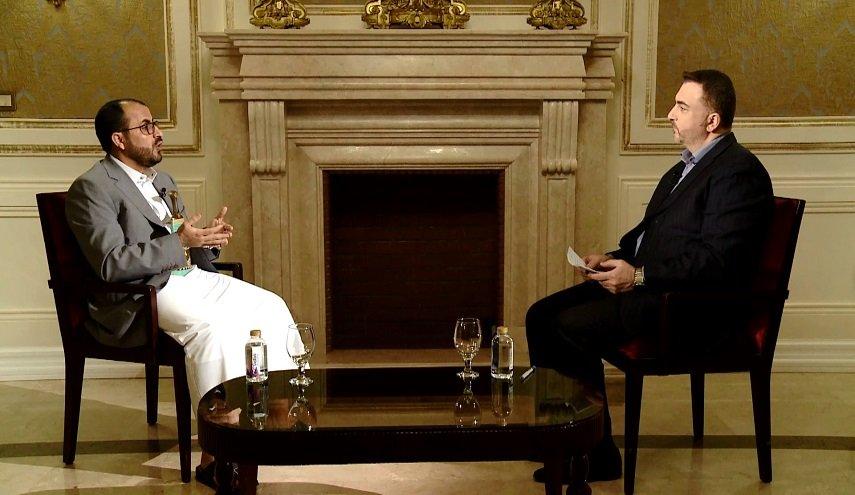
Abdel-Salam said that in the last consultations held in Oman, the Houthis proposed that "the humanitarian solution should come first if the other party is serious."
He described the humanitarian solution as a right of the people rather than something to be included in negotiations like opening airports or opening ports.
He also said that lifting the blockade and the humanitarian situation is the key to a military solution, while noting that in the south the exchange rate against the dollar is many times higher than in Sanaa.
Marib message and competing aims
The same قناة العالم interview says an Omani delegation was in Sanaa carrying Abdel-Salam’s message, and that the delegation included meetings with Mahdi al-Mashat, Abdul-Malik, and figures from Marib.
“The Omani delegation was in Sanaa carrying your message”
Abdel-Salam said the delegation carried to the Omanis a message from the Saudis and perhaps from other parts of the international community that they want to listen to the leadership of Ansar Allah and to the leadership of the Supreme Political Council.
In a separate Al-Manar TV Lebanon item, the chief negotiator for Yemen’s Ansarullah, Mohammad Abdul Salam, said that alongside ongoing Saudi aggression, contacts are ongoing with various parties to convey and clarify their position.
That Al-Manar TV Lebanon framing also ties the negotiation posture to the context of Saudi aggression and ongoing contacts with different parties.
Together, the sources depict negotiations that hinge on ceasefire and humanitarian sequencing, while also centering the Houthis’ message about Marib and the demand for a firm and comprehensive cessation of the fire.