Full story
Saudi readies Yemen push
Saudi Arabia is preparing for a major military offensive against the Houthis by sea and possibly by land in central Yemen, with Yemeni sources believing the move is aimed at breaking a chokehold on oil exports through the southern Red Sea.
“preparing for a major military offensive against the Houthis by sea and possibly by land in central Yemen”
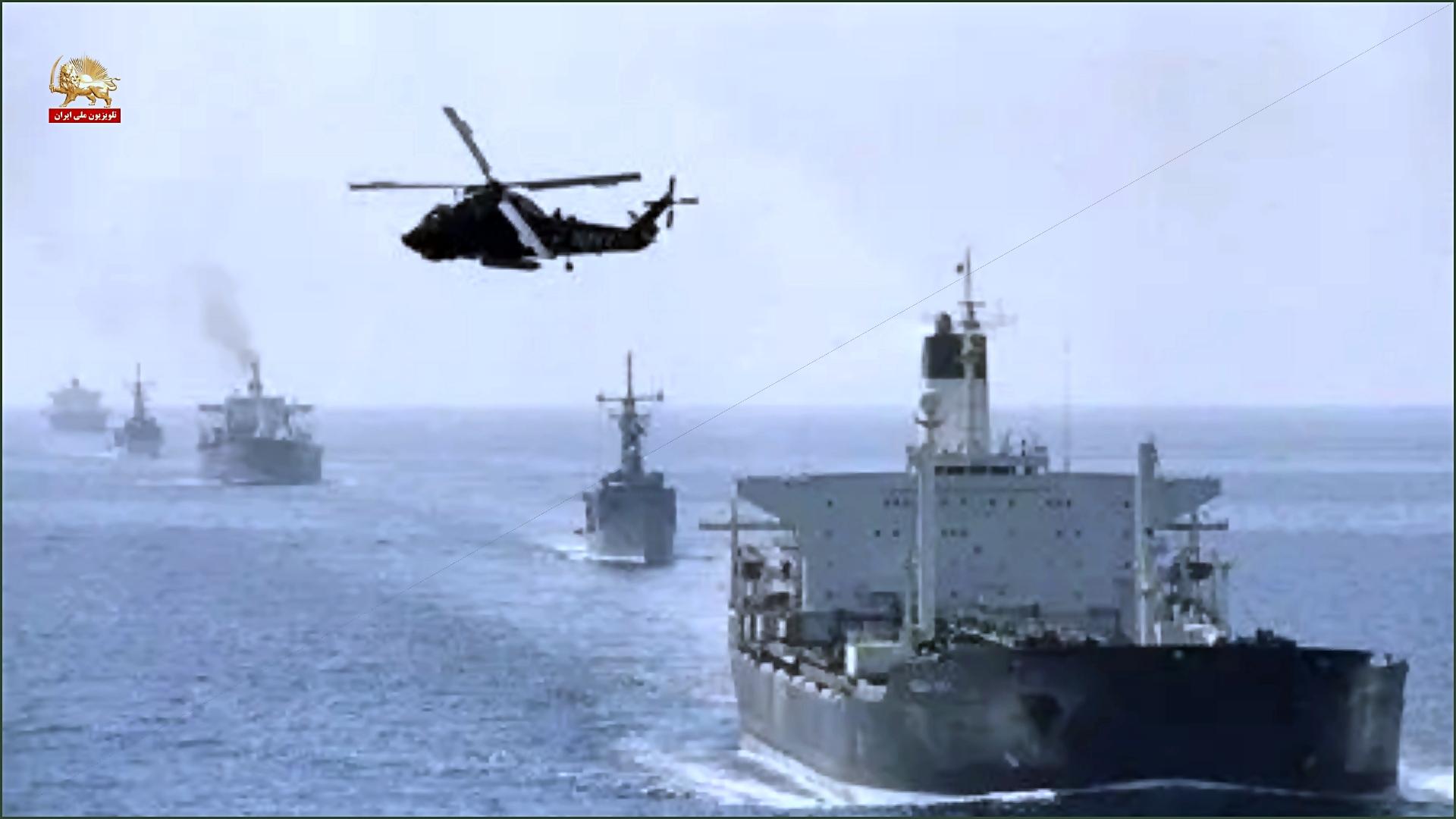
The Guardian reports that Saudi forces have been seen withdrawing from the east of Yemen as Riyadh tries to organise a naval coalition to protect shipping from Houthi attacks in the Red Sea and the Bab al-Mandab strait, while the Saudi defence ministry said on Thursday that 14 states including Turkey, Pakistan, Egypt, Sudan and Djibouti issued a joint statement supporting a multinational maritime defence coalition.

In parallel, the Houthis control Yemen’s capital, Sana’a, and much of its Red Sea coastline, and they announced on 20 July that they were implementing a blockade against Saudi ships while denying they planned to impose tolls on all ships.
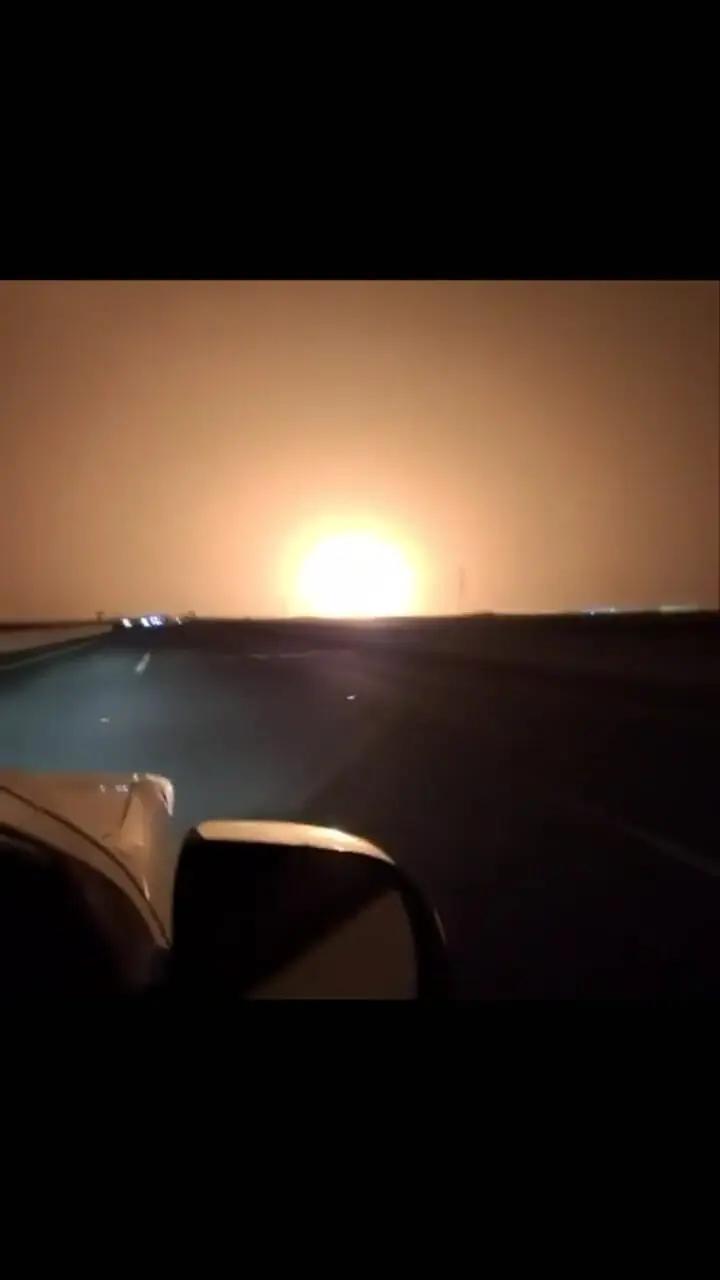
The Guardian says Houthi forces hit “sensitive” oil transport sites inside Saudi Arabia linking eastern province oilfields to a Red Sea export hub on 25 July, and it adds that Saudi strikes in Iraq on Wednesday killed at least 20 people as it hit back at Iraqi militia for striking its oil facilities.
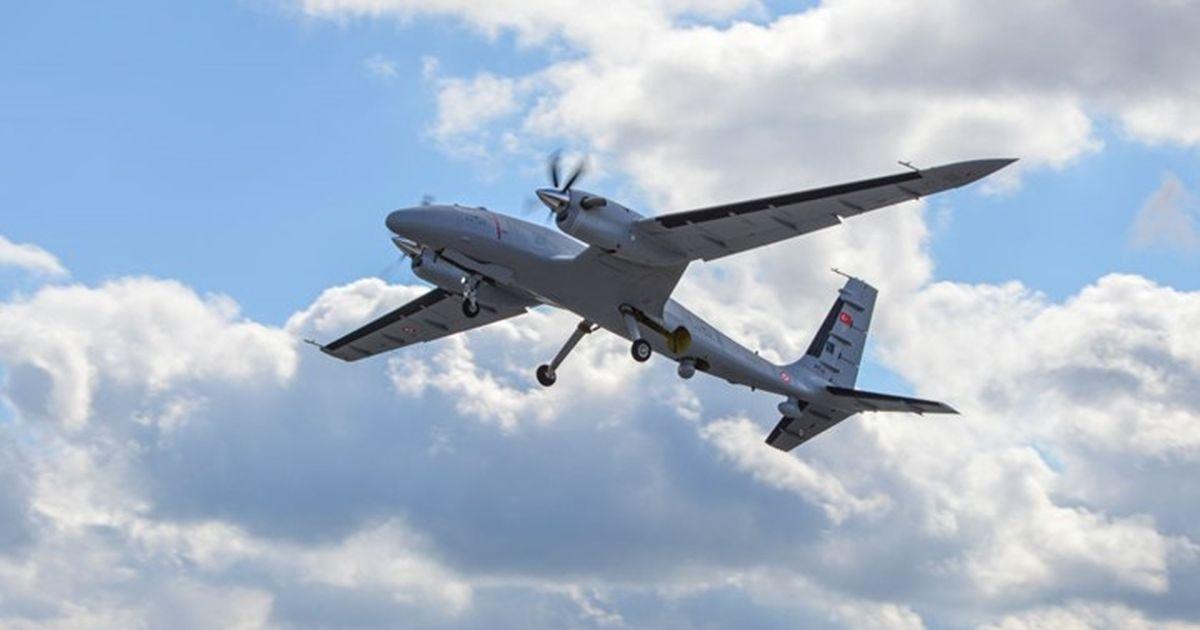
Reuters, via Internazionale, reports that Yemen’s Iran-aligned Houthis attacked Saudi Arabia this week from Iraqi territory in coordination with Iraqi armed groups, according to assessments by Saudi Arabia and regional partners.
Coordination and competing narratives
Assessments described by Reuters say the attacks from Iraqi territory reflect growing coordination among Iran-aligned militias, with Internazionale quoting Farea al-Muslimi saying, "There is now direct training and coordination between members of the Axis of Resistance themselves, not just between them and Iran,".
The same Reuters reporting, carried by Internazionale, says Saudi Arabia carried out joint airstrikes with the United States on Iraqi sites on Wednesday that it said were linked to the attacks, while Iraq said it is investigating.
In the Guardian’s account of the Red Sea dispute, the Houthis position their confrontation as over the future of Yemen rather than directly about Iran, and it notes that they say they will lift the blockade once Saudi Arabia lifts its blockade on Yemen.
CNN frames the Saudi predicament as being pulled into a wider conflict, writing that Saudi Arabia has faced missile attacks from the Iranian-backed Houthis in Yemen and drone attacks from pro-Iranian militias in Iraq, and it quotes analyst Mohammed al Basha saying, "All the red lines have been crossed, all the (Saudi) buttons have been pushed (by the Houthis),".
CNN adds that Saudi Arabia’s response has included strikes on Houthi-controlled sites in the port of Hodeidah, and it says the Houthis fired missiles at two Saudi oil complexes on the Red Sea coast at the weekend.
What’s at stake next
The Guardian links the Yemen fight to the security of Saudi oil routes, saying that if the Red Sea route is closed to Saudi shipping in addition to the strait of Hormuz blockade on the other side of the Arabian peninsula, the kingdom’s oil export will be severely constrained.
“the kingdom’s oil export will be severely constrained”
It adds that up to 80% of Saudi crude exports were shipped through the strait of Hormuz before the Iran war began, and it says more than half of Saudi oil now transported overland to loading terminals at the port city of Yanbu.
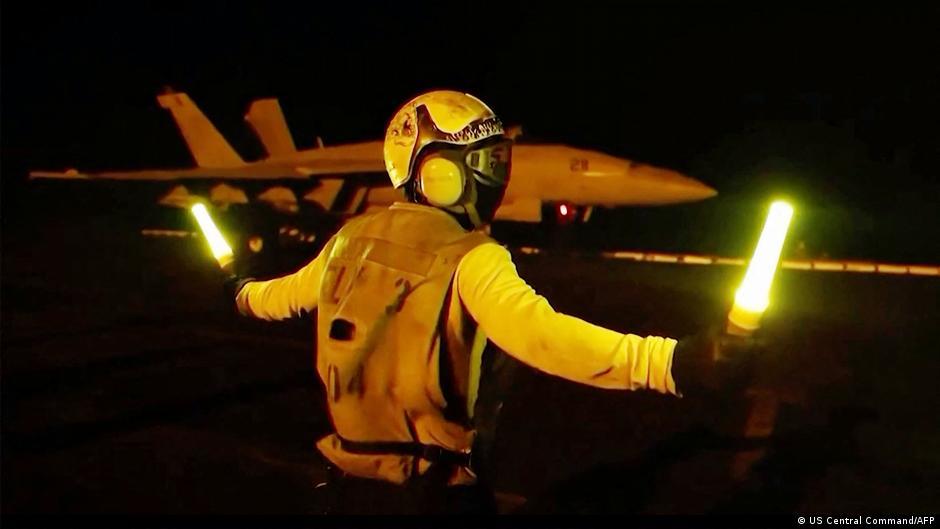
DW’s summary of the broader Iran conflict describes CENTCOM enforcing a naval blockade against ships looking to dock in or depart from Iranian ports, and it says, "As of July 29, CENTCOM has redirected 20 commercial vessels, disabled two, and boarded two,".
In Yemen-focused reporting, the Guardian says troop movements inside Yemen involve concentrating forces for what could be an attack on al-Bayda, a governorate in central southern Yemen captured by the Houthis in 2020-21, and it says fighting between the Houthis and Saudi Arabia has erupted in the past fortnight.
CNN describes the stakes for Riyadh as potentially costly escalation, noting that Saudi Arabia has spent five months trying not to get dragged into a regional conflict while keeping open channels of communication with Tehran even as Iranian drones targeted its oil industry.