Climateupdated 44m ago2 min read
Science Study Finds Barnes Ice Cap Retreat Began Around 1960, Driven by Anthropogenic Summer Warming
This article is an automated aggregation of coverage from news outlets. Our editorials offer in-depth analysis curated by the NewsCord team.
Barnes Ice Cap on Baffin Island grew for two millennia, then started retreat circa 1960. Anthropogenic summer warming from fossil fuel use drove the generalized retreat starting around 1960.
Explore source coverage 2 source types
Directory totals describe our source library, not outlets checked for this story.
6 outlets told this the same way.
Outlets did split on UAE Reports Oil Spill Reaching Umm Al Quwain Beaches After Tanker Attack Near Strait of Hormuz →
Barnes Ice Cap turnaround
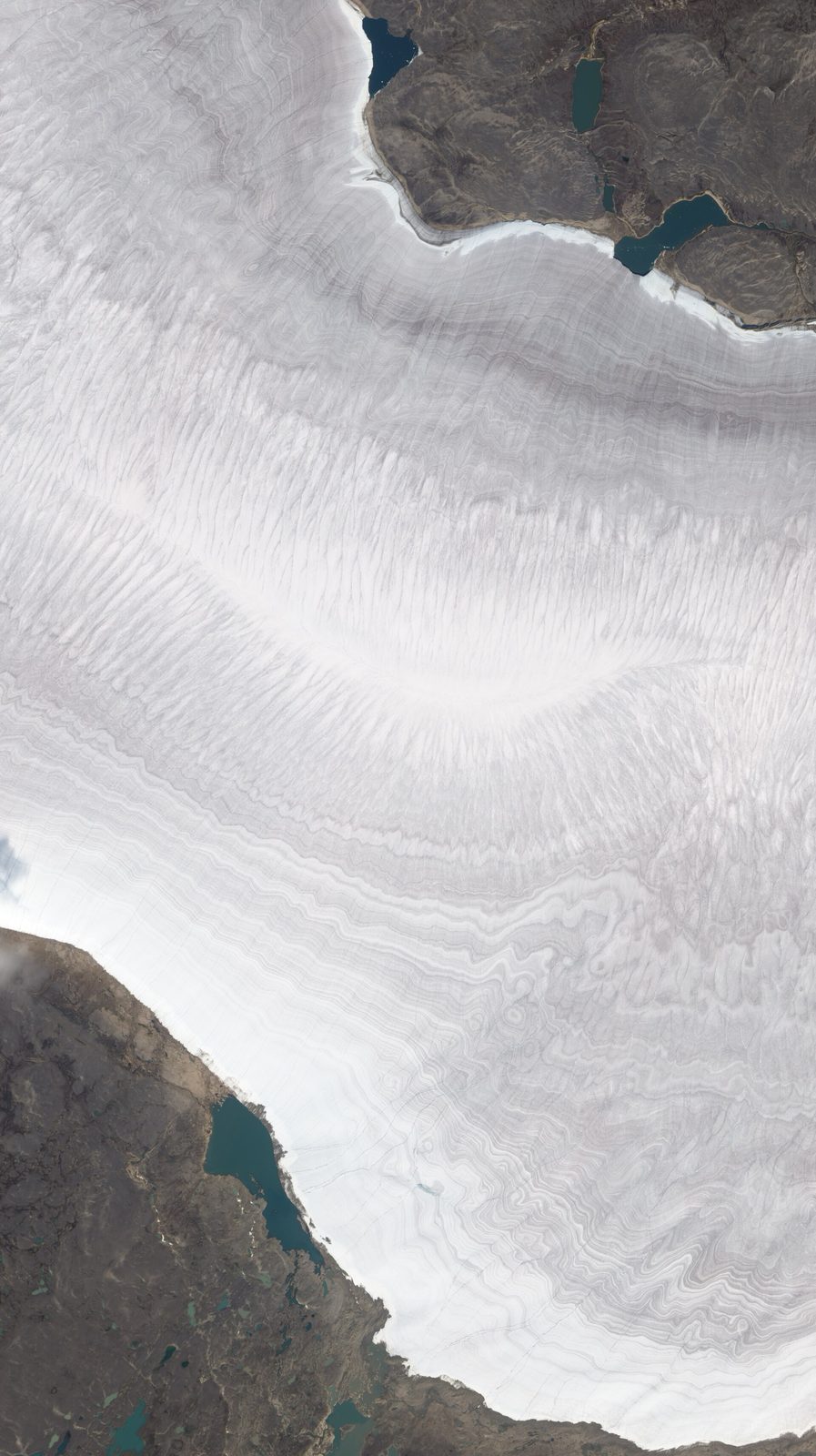
A study published in Science on October 22, 2026 reconstructed how the Barnes Ice Cap on Baffin Island shifted from a net expansion for about 2,000 years to a generalized retreat around 1960. The dating placed a retreat inland beyond the 2022 margin about 3.56 ± 0.24 ka BP, and the authors interpreted the sequence as the start and subsequent interruption of a glaciation. The study reported that the ice cap margin retreated by about 200 to 800 meters between approximately 1960 and 2022, depending on the location.
The study attributed the retreat to anthropogenic summer warming and placed its widespread onset around 1960, while also noting that the ice cap has had no accumulation area since 2010. The study used exposure-age measurements of beryllium-10 (10Be) in rock and radiocarbon dating of vegetation buried under the ice to build the timeline.
Cold-based ice preserves record
Nicolás Young, a geologist at Columbia University’s Lamont-Doherty Earth Observatory and lead author of the study, said the Barnes Ice Cap is “the last remaining piece of one of the domes of the Laurentide Ice Sheet.” Young explained that Barnes is cold-based, meaning it is “frozen directly onto the bedrock beneath it,” which prevents sliding and preserves the underlying record. Young compared the process to “ice that’s plastered to the windshield of your car,” saying it is “sort of just stuck to what it’s on.”
The study’s approach relied on the fact that tundra plants colonized newly bare ground as the Laurentide retreated, and later ice smothered them in place and held them there intact for two millennia. The researchers used two independent dating methods, combining exposure-age measurements of beryllium-10 (10Be) in rock with radiocarbon dating of vegetation buried near or at the 2022 margin.
Next glaciation interrupted
The study interpreted the expansion initiated around 2 ka BP as the beginning of the next glaciation and attributed the interruption of that trend to anthropogenic summer warming. Andrew Wickert, an associate professor of environmental science at the University of Minnesota Twin Cities who was not involved in the research, said the new research shows “even as we were just starting to ramp up emissions, we’ve already done enough damage to cause the major North American ice sheet to already start retreating.” The study’s timeline placed the ice cap’s maximum around 1960, and it reported that the ice cap has had no accumulation area since 2010.
WIRED reported that the Barnes Ice Cap’s edges have retreated an average of 4 meters per year since the 1980s, and it linked that to a period of rapidly increasing carbon emissions. Nicolás Young said the ice cap’s modern retreat “has reversed 2,000 years of net expansion,” framing the Barnes record as evidence that warming can halt a glacial advance already underway.