USA08 August, 20263 min read
Senate Committee Holds Anthony Fauci in Contempt, Clearing Way for DOJ Prosecution
This article is an automated aggregation of coverage from news outlets. Our editorials offer in-depth analysis curated by the NewsCord team.
Senate committee voted along party lines to hold Fauci in contempt for refusing COVID questions. Vote clears the way for a Justice Department referral and potential prosecution.
Contempt referral after Fifth
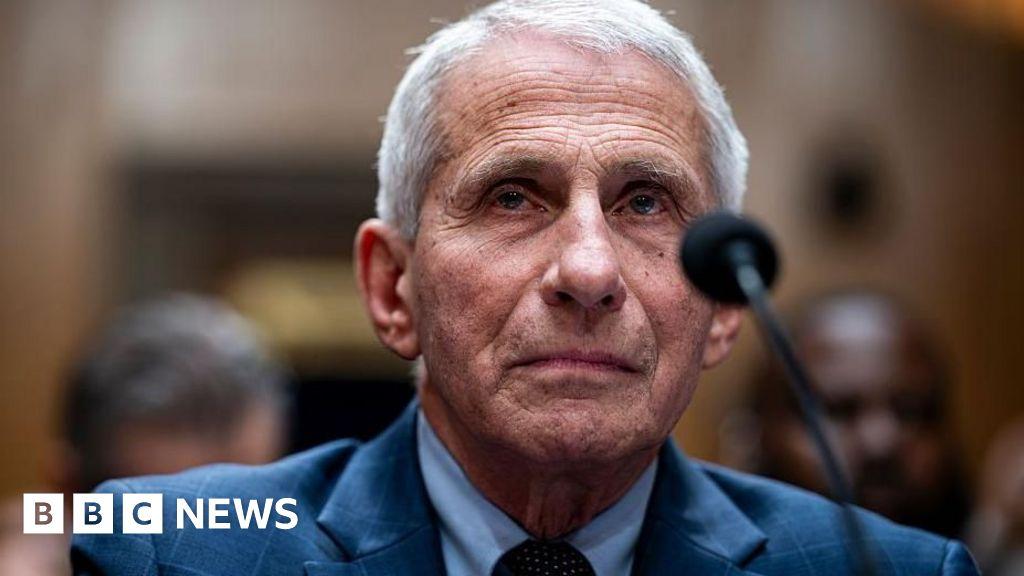
A Senate committee voted along party lines to hold Dr. Anthony Fauci in contempt of Congress after he refused to answer questions during a hearing examining his handling of the Covid-19 pandemic, clearing the way for a referral to the justice department for potential prosecution.
The vote followed Fauci’s testimony last week in which he invoked his constitutional right against self-incrimination more than 100 times, and BBC reported that he argued Kentucky Senator Rand Paul was trying to put him "behind bars".
Republican Rand Paul, the committee chairman, said ahead of the vote, "The chair directed Anthony Fauci to answer. He refused," and the BBC said the contempt vote remained unclear on whether the department would pursue the case.
AP reported that a department spokesperson confirmed the Justice Department had received the contempt referral and was "reviewing it and will work with the Senate accordingly."
Paul, Schertler, and Trump
Rand Paul sent the referral after the Homeland Security and Governmental Affairs Committee approved a contempt resolution on a party-line vote with Republicans in favor and Democrats opposed, and Reuters said Paul asked the Justice Department to prosecute Fauci for refusing to answer COVID-19 questions.
Fauci’s attorney David Schertler called the contempt resolution "a crude political stunt intended to punish Dr. Fauci for exercising his constitutional rights," while Reuters reported Paul denied the charge and said in his opening statement, "Seeking the truth is not a witch hunt."
Reuters also reported that President Donald Trump said the Justice Department should potentially prosecute Fauci, comparing him to allies Peter Navarro and Steve Bannon, who both served four months in prison for contempt of Congress after defying subpoenas.
In the same Reuters account, a Justice Department spokesperson confirmed copies of the referral had been sent to DOJ leadership and the U.S. Attorney's Office in Washington, D.C., adding, "We have received the document, we are reviewing it and will work with the Senate accordingly," as the dispute escalated beyond the committee vote.
Court hurdles and future risk
The Washington Post said the contempt vote does not automatically mean Fauci will face charges and that legal analysts saw hurdles, framing the Justice Department’s decision as two questions: whether it would prosecute and whether it could win in court. The Post reported that Carlos Uriarte said lawmakers routinely refer matters to the Justice Department, but that "DOJ has a lot of discretion in terms of what investigations it pursues, regardless of what steps Congress takes," and it noted that contempt cases can face additional weaknesses in court.
AP reported that the pardon from Democratic President Joe Biden covered acts from 2014 through the January 2025 day it was issued, but did not shield Fauci from state-level prosecutions or protect him from federal investigations into any testimony lawmakers deemed false. BBC added that Fauci could still face charges for anything after the pardon date, including contempt of Congress, and it quoted Paul’s view that the issue was whether a witness who received a federal pardon could be ordered to answer questions and then defy that order without consequence.