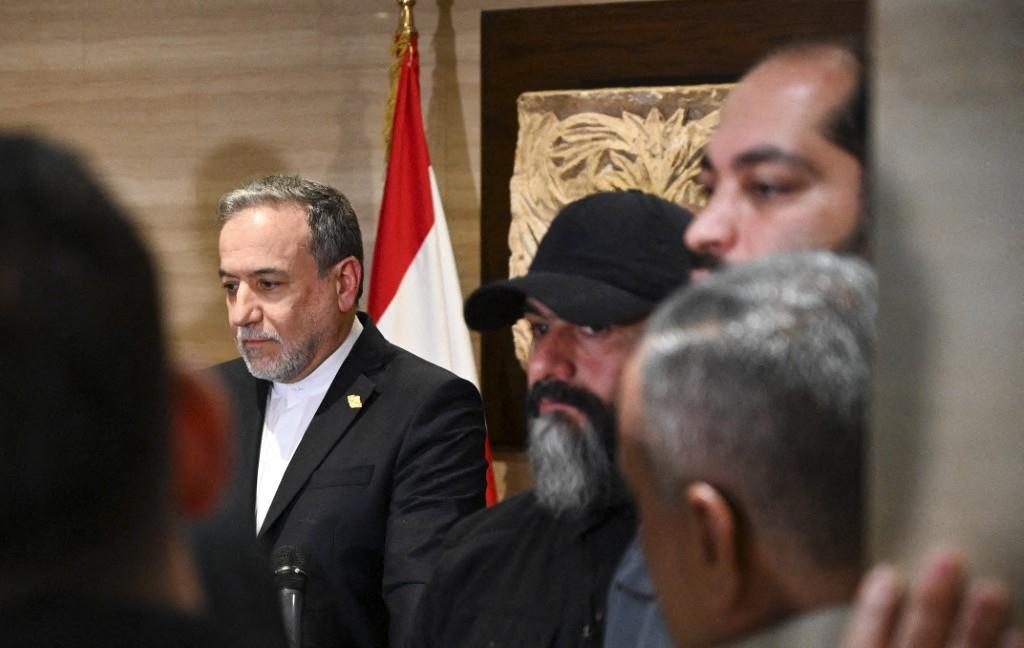
Seyed Abbas Araghchi Arrives in Islamabad to Convey Iran’s Considerations on War’s End
Key Takeaways
- Araghchi arrived in Islamabad to convey Iran's end-of-war considerations with the United States and Israel.
- He will not hold talks with U.S. officials during the Pakistan visit.
- US envoys will travel to Pakistan to restart Iran-U.S. peace talks.
Araghchi’s Pakistan-to-Russia tour
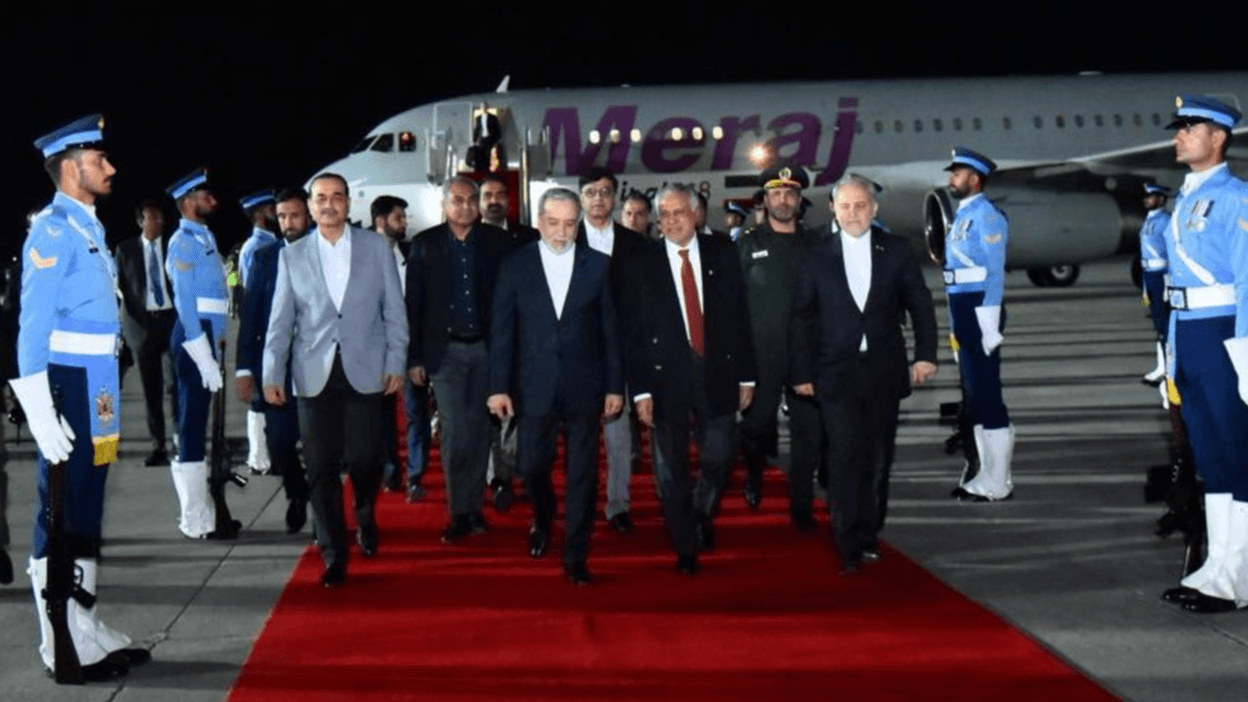
Iranian Foreign Minister Seyed Abbas Araghchi arrived in Pakistan’s capital, Islamabad, on Friday night as part of a diplomatic tour that Tasnim described as aimed at coordinating with Iran’s partners on bilateral issues and consulting on the latest regional developments.
Multiple reports say Araghchi will not hold any negotiations with U.S. officials during his visit, with Tasnim and IRIB TV framing Islamabad as a “bridge of communication” to “convey” Iran’s considerations for ending the conflicts.
Araghchi’s itinerary is described as including Islamabad, Oman, and Russia, with Xinhua reporting that in Muscat he will discuss regional issues as well as the war, and in Russia he will hold consultations on the latest developments pertaining to bilateral, regional and international developments.
In a post on social media platform X on Friday, Araghchi said, “Embarking on a timely tour of Islamabad, Muscat, and Moscow. The purpose of my visits is to closely coordinate with our partners on bilateral matters and consult on regional developments. Our neighbours are our priority.”
Pakistan’s Ministry of Foreign Affairs confirmed the Iranian delegation led by Araghchi arrived in Pakistan on Friday night, and Xinhua quoted Tahir Andrabi, a spokesperson for Pakistan’s Foreign Ministry, describing the purpose as discussing regional developments and ongoing peace efforts.
WANA News Agency added that upon arrival Araghchi was received by Deputy Prime Minister and Foreign Minister Ishaq Dar, Army Chief General Asim Munir, and Iran’s Ambassador to Pakistan, Reza Amiri Moghadam, and that Araghchi is scheduled to hold meetings with the Prime Minister and other top officials.
No direct U.S. talks—yet envoys
While Iranian officials and Iranian state-linked reporting emphasize that Araghchi will not negotiate directly with U.S. officials in Islamabad, U.S. statements described a parallel track in which U.S. envoys were heading to Pakistan for talks with the Iranian foreign minister.
Xinhua reports that the White House said Friday that U.S. President Donald Trump’s envoy Steve Witkoff and son-in-law Jared Kushner were heading to Pakistan for talks with Araghchi this weekend, and White House Press Secretary Karoline Leavitt said, “I can confirm special envoy Witkoff and Jared Kushner will be off to Pakistan again tomorrow morning to engage in talks, direct talks, intermediated by the Pakistanis who have been incredible friends and mediators throughout this entire process with representatives from the Iranian delegation.”

Leavitt also said U.S. Vice President JD Vance, who led the U.S. negotiating team during the first round of talks in Pakistan earlier this month, was not currently planning to attend, and she added that he would be standing by and consulting Trump alongside Secretary of State Marco Rubio.
The Express Tribune and other reports place Araghchi’s arrival ahead of the Witkoff-Kushner visit, with the Express Tribune quoting Leavitt’s framing of “direct talks” that are “intermediated by the Pakistanis.”
At the same time, multiple sources stress the Iranian position that Araghchi’s Islamabad visit is not for U.S. negotiations, with Tasnim saying Iran currently has no plans to negotiate with the United States and with IRIB TV saying “Islamabad, as a bridge of communication, will 'convey' Iran’s considerations for ending the conflicts.”
An Iranian analyst, Mohammad Marandi, is quoted in the Express Tribune as saying Araghchi “will not hold any negotiations with the Trump regime in Islamabad and will merely convey Iran’s considerations and views regarding the end of the war to the Pakistani side.”
Ceasefire, failed talks, blockade
The diplomatic maneuver around Araghchi’s tour is tied to a sequence of conflict and negotiation steps described across the reports.
Odisha News and Xinhua both recount that on February 28, Israel and the United States launched joint attacks on Tehran and other Iranian cities, killing Iran’s then Supreme Leader Ali Khamenei, senior commanders, and civilians, and that Iran responded with waves of missile and drone strikes targeting Israel and US bases and assets in the Middle East.
A ceasefire was achieved between the warring parties on April 8, and Xinhua says that this was followed by lengthy talks between the Iranian and US delegations in Islamabad on April 11 and 12, which failed to yield an agreement.
After the peace negotiations in Islamabad collapsed, Xinhua and Odisha News say the United States imposed a blockade on the Strait of Hormuz, preventing ships travelling to and from Iranian ports from transiting the waterway, and Xinhua adds that Iran refrained from attending another round of peace talks expected in Pakistan this week.
Iran’s stated reasons for not attending were the U.S. continued naval blockade and “excessive” demands, as described in Xinhua and repeated in the Daily Finland report.
The Daily Finland report also includes U.S. Defense Secretary Pete Hegseth’s statement that the U.S. blockade of Iranian ports is “growing and going global” and would continue as long as necessary, and it quotes Hegseth saying, “No one sails from the Strait of Hormuz to anywhere in the world without the permission of the United States Navy.”
Preconditions, nuclear demands, and talks’ shape
Beyond the question of whether Araghchi meets Americans directly, the reports describe what the U.S. says a peace deal must include and what Iran says it needs before negotiations can move forward.
Xinhua reports that Leavitt reiterated that a peace deal between the United States and Iran must include Iran’s turning over nuclear material and committing to not building a nuclear weapon, and she said the U.S. envoy track is part of the process.
Xinhua also says a Pakistani official source told Xinhua on Friday that Araghchi is expected to discuss with Pakistani mediators key preconditions before entering potential negotiations with the United States, and that the discussions are expected to focus on lifting blockades and releasing Iranian ships and crew seized by the U.S. side.
The same Xinhua report stresses that Tehran is seeking initial confidence-building gestures from the United States before moving toward direct engagement.
The Daily Finland report adds that Iranian officials have insisted that sanctions relief, maritime access and respect for Iran's right to peaceful nuclear energy remain essential conditions for any meaningful negotiations, and it quotes Iran’s Ambassador to Russia Kazem Jalali saying, “We want concrete goals and objectives to be achieved as a result of these negotiations. They should not dictate the terms and outcomes of these talks,” according to local media reports.
Onmanorama includes a different angle on the same negotiation structure, saying Iran’s foreign ministry spokesperson on X stated that Iranian officials did not plan to meet with U.S. representatives even though U.S. special envoys Steve Witkoff and Jared Kushner planned to travel to Islamabad, and that Iran’s concerns would be conveyed to Pakistan.
Regional diplomacy and operational signals
Alongside the Araghchi visit and the U.S. envoy plans, the sources describe additional diplomatic and operational moves that frame the negotiation environment.
“TEHRAN/WASHINGTON/CAIRO - Iran's Foreign Minister Seyed Abbas Araghchi will not hold any negotiations with US officials during his visit to Pakistan's capital, Islamabad, the semi-official Tasnim news agency reported on Friday”
The chinadailyhk report says Egypt, Germany and Bahrain urged the resumption of U.S.-Iran negotiations and stressed the importance of solidifying a US-Iran ceasefire, and it quotes Egyptian Foreign Minister Badr Abdelatty holding phone calls with German Foreign Minister Johann Wadephul and Bahraini Foreign Minister Abdullatif bin Rashid Al Zayani.

WANA News Agency also ties the tour to a reciprocal response to General Asim Munir’s recent trip to Tehran, quoting political analyst Seyed Mohammad Marandi that the visit does not involve direct engagement with the United States and that Araghchi “will merely convey Iran’s considerations and views regarding the end of the war to the Pakistani side.”
Another operational signal appears in chinadailyhk, which says Iran’s Imam Khomeini International Airport will resume international passenger flights as of Saturday, with the first flights departing for Istanbul, Muscat, and Beijing, and it quotes Ahoura Mohammadi saying the inaugural flight operated by Iran Air is scheduled to take off at 06:45 am local time (0315 GMT).
Daily Finland adds a separate security dimension, stating that Tasnim reported the Islamic Revolution Guard Corps (IRGC) had seized a vessel suspected of coordinating with the U.S. military.
In the background of these moves, the sources also include U.S. and Iranian messaging about the negotiation timeline, with Xinhua saying Trump said on Wednesday there is “no time frame” for ending the weeks-long war against Iran despite the extension of the two-week ceasefire that expired on Wednesday night.
More on Iran
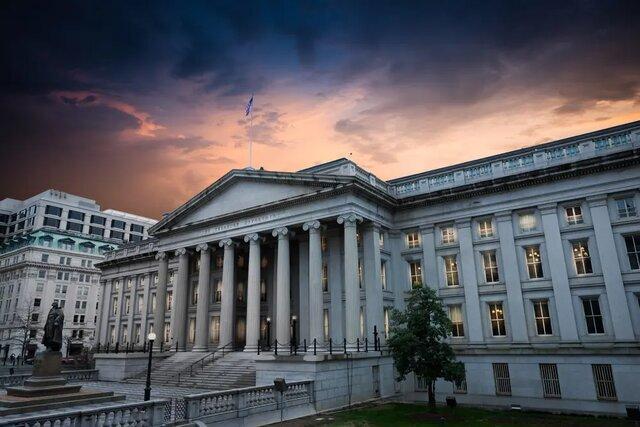
Trump Orders U.S. Forces To Board Iranian Ships Amid Hormuz Blockade
17 sources compared

Ahmad Vahidi and the IRGC Control Iran, Jerusalem Post Says Mojtaba Khamenei Not Leading
22 sources compared
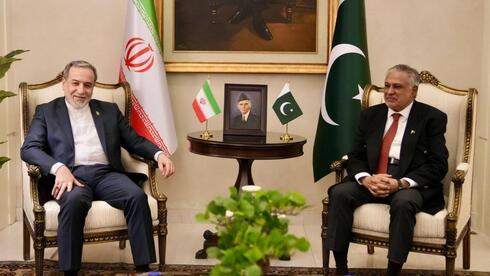
Abbas Araghchi Arrives in Pakistan as Witkoff and Kushner Prepare Direct Iran Talks
17 sources compared

Iran FM Abbas Araghchi Visits Islamabad Without U.S. Talks, Says Esmail Baghaei
11 sources compared