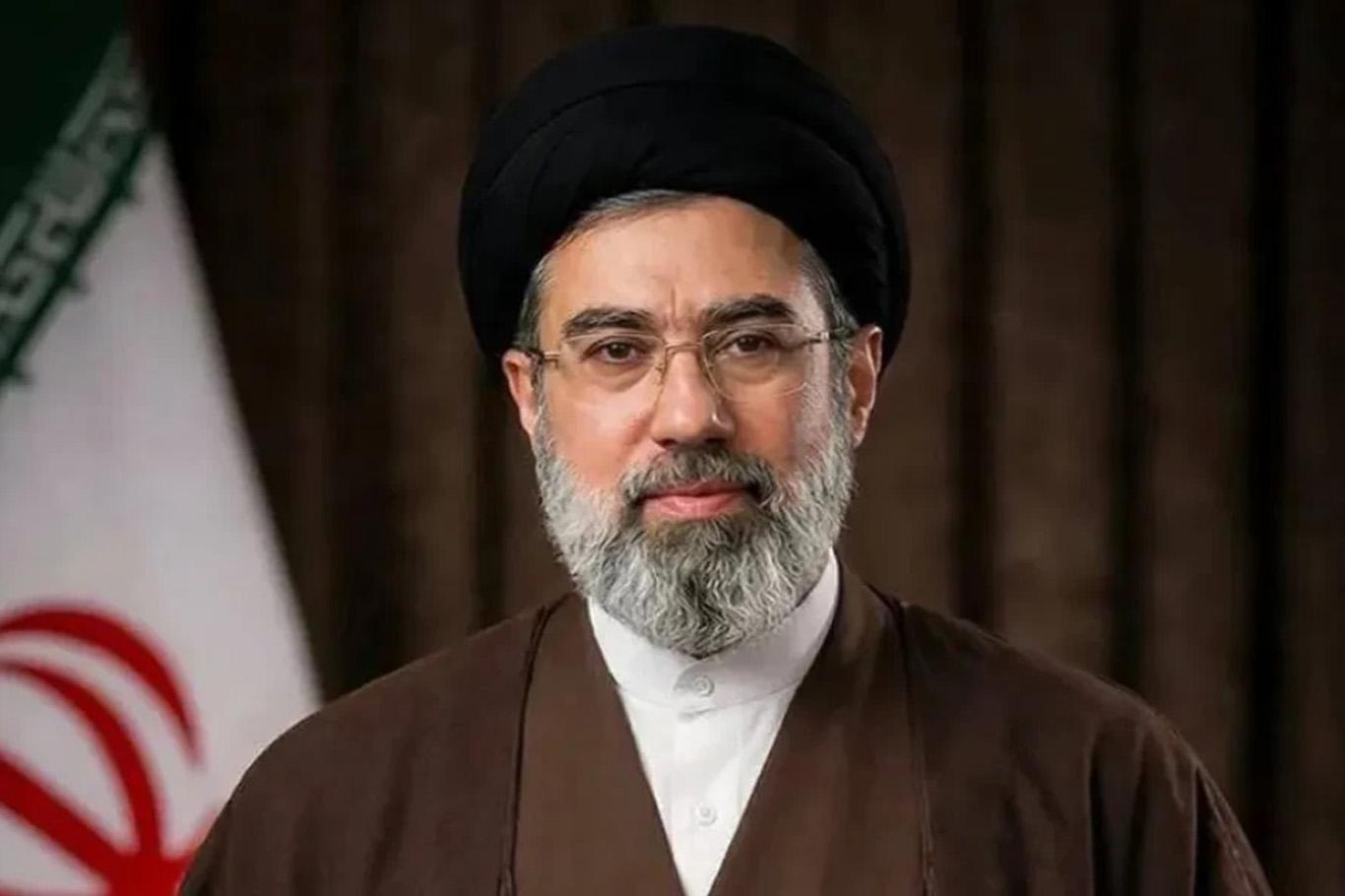
Seyyed Mojtaba Khamenei Says Iran Will Implement New Legal Rules for Strait of Hormuz
Key Takeaways
- Iran will implement new legal rules for the Strait of Hormuz.
- Iran seeks full reparations and compensation for martyrs in Hormuz.
- Leader's adviser threatens to sink American ships in the Strait of Hormuz.
New Hormuz rules
Iran’s Supreme Leader Seyyed Mojtaba Khamenei said Iran will introduce new governance and legal rules for the Strait of Hormuz as part of a broader effort to secure the Persian Gulf region.
In an address on the occasion of the Persian Gulf National Day in Iran, Khamenei said Iran will “implement new governance and legal rules in the Strait of Hormuz,” adding that by implementing control over the strait Iran will make the Persian Gulf region secure and prevent its abuse by opposing parties.
Trend News Agency reports that Khamenei said the new control will “contribute to economic development in the region.”
PressTV similarly frames the announcement as a “new chapter,” quoting Khamenei’s message that Iran will determine “new legal rules” over the Strait of Hormuz after “recent US-Israeli aggression against the country.”
Mehr News Agency echoes the same theme, stating that “The new legal framework and management system for the Strait of Hormuz will advance comfort and development for all the region’s nations.”
Across the three reports, the Strait of Hormuz is presented as the key strategic waterway, with Khamenei describing it as a vital route for the global economy via the Strait of Hormuz and then the Sea of Oman.
National Day and 1622
The Strait of Hormuz rules announcement is tied in the sources to Iran’s annual National Persian Gulf Day commemorations.
Trend News Agency says the remarks were delivered on April 30, and it provides historical context by noting that on April 30, 1622, during the reign of Shah Abbas Safavi, the Portuguese were expelled from the southern waters of Iran and the Strait of Hormuz.

Trend adds that April 30 was named the National Day of the Persian Gulf in Iran in 2005.
PressTV also links the date to Iran’s “historic 1622 triumph over colonial occupation along its southern coastline,” and it says this year’s observance comes exactly two months after the US and Israeli regime launched an unprovoked military aggression against Iran on February 28.
Lebanon ON reproduces a message from Ayatollah Ali Khamenei that describes the Persian Gulf as “a vital and exceptional corridor for the global economy via the Strait of Hormuz and then the Sea of Oman,” and it frames the day’s commemoration around driving out the Portuguese and “liberating the Strait of Hormuz.”
In that Lebanon ON message, the Portuguese expulsion is described as leading to the designation of May 10 as the National Day of the Persian Gulf, while Trend and PressTV both anchor the commemoration to April 30.
Aggression and retaliation
PressTV and Mehr News Agency connect Khamenei’s call for new management rules to a security narrative centered on recent US-Israeli aggression and Iran’s response.
PressTV says Khamenei declared a “new chapter” for the strategic waterway and asserted that Iran will implement new management rules over the Strait of Hormuz following “recent US-Israeli aggression against the country.”
It states that the observance comes “exactly two months after the US and Israeli regime launched an unprovoked military aggression against Iran on February 28,” and it describes the Persian Gulf as an “irreplaceable blessing” for Muslim nations of the region.
In Mehr News Agency’s version, Khamenei refers to the “Great Satan” and says the “most recent example was the bullying and military provocations of the ‘Great Satan,’ Ayatollah Khamenei said, referring to the United States’ military aggression and illegal naval blockade.”
Mehr further asserts that “two months after the largest military campaign waged against the country by the world's bullies in the region and shameful defeat of America,” a “new chapter is being drawn in the Persian Gulf and the Strait of Hormuz.”
Lebanon ON similarly frames the message around “America’s disgraceful defeat” and says that “after two months of the largest military mobilization and assault by the arrogant powers in the region,” “a new phase for the Persian Gulf and the Strait of Hormuz is taking shape.”
Naval vigilance and identity
The sources also depict Iran’s naval posture and the Persian Gulf’s cultural and economic significance as central to the justification for new Strait of Hormuz rules.
PressTV says Khamenei noted that nations of the Persian Gulf region witnessed the “vigilance” of Iranian naval forces in the past 60 days, and it describes “the beautiful manifestations of solidity, vigilance, and endeavor by the brave men of the naval forces of the Army and the IRGC.”
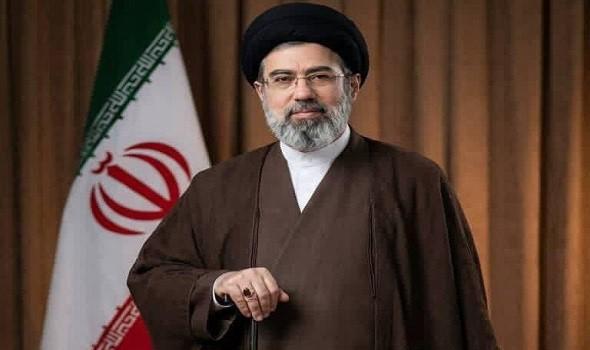
PressTV adds that the Iranian naval forces’ actions were alongside “the zeal and gallantry of the people and youth of the southern region of dear Iran,” in rejecting foreign domination.
Mehr News Agency likewise says that over the past sixty days, the nations of the Persian Gulf have witnessed “the brave resolve, vigilance, and struggle of Iran’s naval forces from the Army and the IRGC,” alongside the “courage and valor of the southern people and youth of beloved Iran.”
Lebanon ON’s message uses similar language, saying that “in the last sixty days” the peoples of the region “have witnessed signs of firmness, vigilance, and jihad by the naval heroes of the Army and the IRGC.”
In Trend News Agency’s report, Khamenei also ties the Strait of Hormuz to broader national investment and border protection, saying that Iran’s “science, industry, various technologies, nano, bio, nuclear and missile technologies are national investments and will protect all water and land borders.”
Future without America
Finally, the sources present the new Strait of Hormuz rules as part of a future-oriented political vision that rejects American presence in the Persian Gulf and Sea of Oman.
PressTV says Khamenei argued that the future of the Persian Gulf will be “bright” and without the presence of the US, writing that “The bright future of the Persian Gulf region will be a future without America.”

It adds that Khamenei said Iran shares a “common destiny” with neighbors of the Persian Gulf and the Sea of Oman, and it quotes him saying, “Foreigners who, from thousands of kilometers away, greedily commit atrocities within it, have no place in it except at the bottom of its waters.”
Mehr News Agency similarly asserts that “By divine will, the future of the Persian Gulf will be bright—a future free of America,” and it says “We, the peoples and neighbors of the Persian Gulf and the Sea of Oman, share a common destiny.”
Lebanon ON’s message likewise concludes that “the future of the Persian Gulf will be a future free of the American presence, serving the progress, welfare, and comfort of its peoples,” and it repeats the line that “those who come from thousands of kilometers to stir chaos and evil have no place in it, except in the depths of its waters.”
In PressTV and Mehr, the sources also claim that Iran’s retaliatory missile and drone strikes devastated US bases in the region during the “40-day war,” and they connect that to the assertion that America’s bases “do not even have the endurance and capability to secure themselves.”
More on Iran
Ayatollah Mojtaba Khamenei Vows Iran Will Protect Nuclear And Missile Capabilities
10 sources compared

Pentagon Tells House Armed Services Iran War Costs $25 Billion So Far
10 sources compared
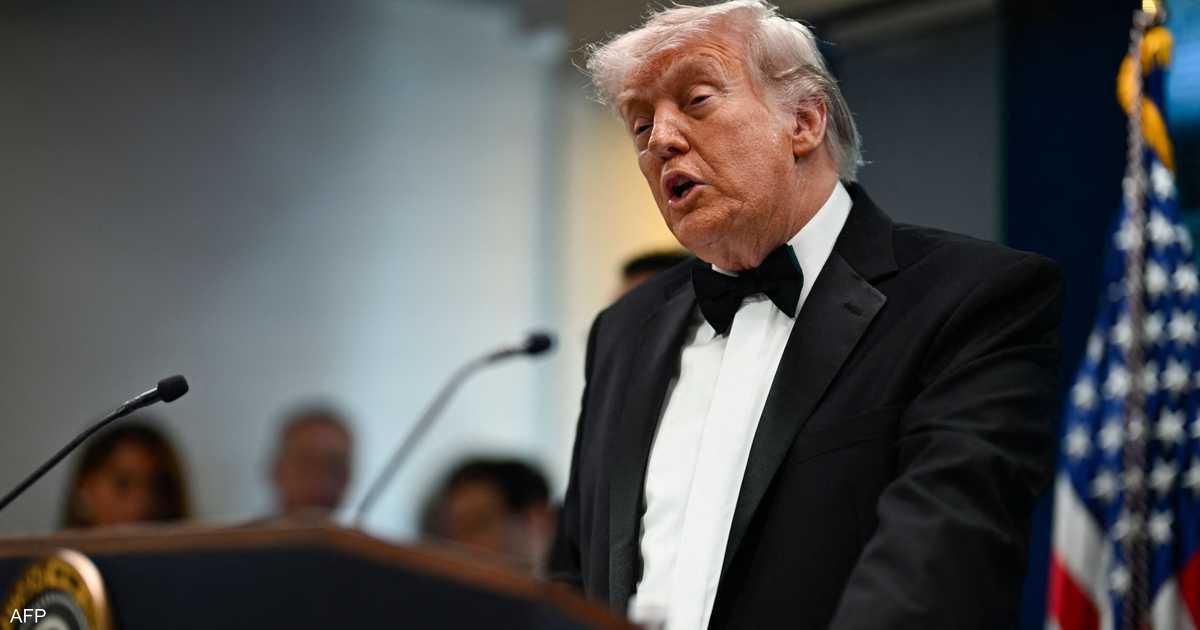
Brad Cooper Briefs Donald Trump on New U.S. Military Options Against Iran Thursday
15 sources compared

UN Rights Chief Volker Türk Says Iran Executed At Least 21, Detained Over 4,000
22 sources compared