Business15 July, 20262 min read
Shareholder Sues David Ellison and Larry Ellison Over Trump Deal to Block Paramount-WBD Merger
This article is an automated aggregation of coverage from news outlets. Our editorials offer in-depth analysis curated by the NewsCord team.
Writers Guild lawsuits seek to block Paramount Skydance's Warner Bros. Discovery merger. Twelve Democratic-led states filed federal lawsuits to block the same merger.

Ellisons face shareholder suit
A Paramount shareholder sued David Ellison and Larry Ellison in Delaware Chancery Court, alleging they cut an “illegal” deal with President Donald Trump to secure U.S. governmental approval for the takeover of Warner Bros. Discovery.
The suit seeks to block Paramount’s $111 billion merger with WBD and also seeks unspecified monetary damages, while alleging the Ellisons promised “illegal private benefits to President Trump in order to remove federal regulatory barriers.”
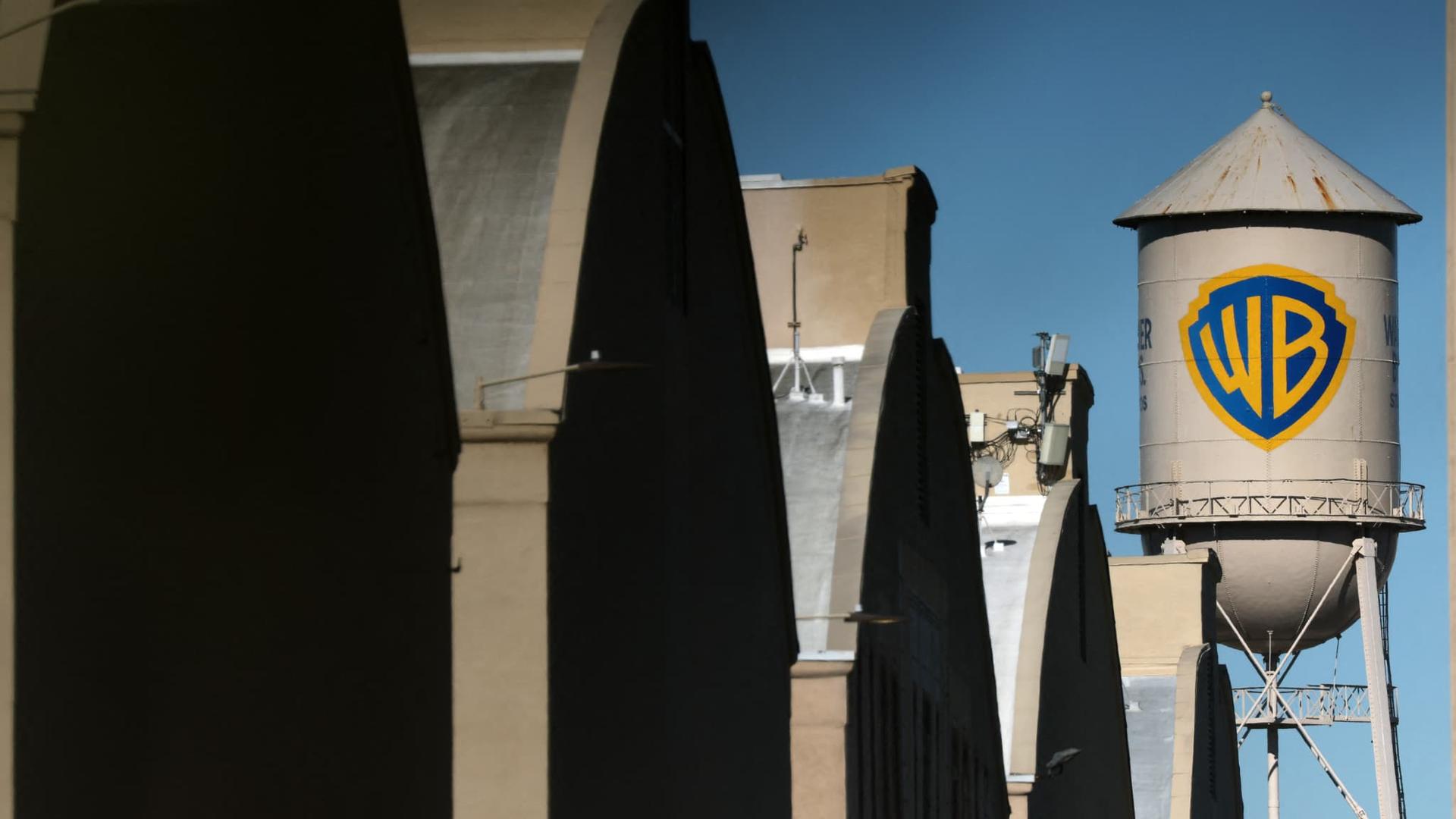
Variety reports that the shareholder lawsuit says the Ellisons’ side deal included “the opportunity to improperly funnel cash” by settling Trump’s legal claims against CNN, and promises that CNN anchors whom Trump does not like would be fired after the WBD takeover.
Variety also says the complaint argues the Ellisons’ actions are “latent liabilities waiting to be triggered by a future administration,” and notes the Paramount investor named as lead plaintiff is Paul Robbins, represented by Thomas Law, Public Integrity Project and Freedom of the Press Foundation.
States and WGA sue
Separate from the shareholder case, 12 Democratic-led states led by California Attorney General Rob Bonta sued to block Paramount Skydance’s $110-billion takeover of Warner Bros. Discovery, arguing it violates antitrust law and threatens competition in film and television.
In the states’ challenge, Bonta said the combination would lead to “higher prices, lower quality and less content,” and the coalition asked the companies not to close the transaction until the legal challenge is resolved.

The Writers Guild of America also filed suit to block the merger, with Deadline reporting that the guild’s lawsuit was filed jointly by the WGA East and West in the Northern District of California on Tuesday.
Deadline quotes the WGA complaint warning that “With fewer competitors, the merged Paramount-Warner Bros. entity would have both the incentive and the ability to lower costs by suppressing writers’ wages and reducing output.”
Courts, deadlines, and risk
Even as Paramount pursued regulatory clearance, CNBC reported that the company’s lead trial counsel Jeffrey Kessler told David Faber that Paramount still plans to close the proposed acquisition by the end of September despite the state attorneys general lawsuit.
CNBC said Kessler described a temporary restraining order filed after Paramount “indicated” it intended to close as early as July 22, and warned that if granted it would pause the deal for 14 days.
The stakes in the litigation extend to deal economics, with CNBC reporting that Paramount agreed to pay a so-called ticking fee if closing goes past Sept. 30, equal to roughly $650 million in cash value per quarter.
In the states’ case, the Daily Astorian reported that Oregon Attorney General Dan Rayfield said, “States have the ability under our own antitrust laws to enforce these regulations,” and argued the merger could disproportionately hit Oregon’s small, independent movie theaters.