Crypto16 May, 20263 min read
SharpLink CEO Joseph Chalom Says Washington Clarity, Risk Appetite, Tokenization Could Lift Ethereum
This article is an automated aggregation of coverage from news outlets. Our editorials offer in-depth analysis curated by the NewsCord team.
Passage of the CLARITY Act would provide regulatory clarity. A rebound in market risk appetite would support Ethereum.

CLARITY, risk appetite, tokenization
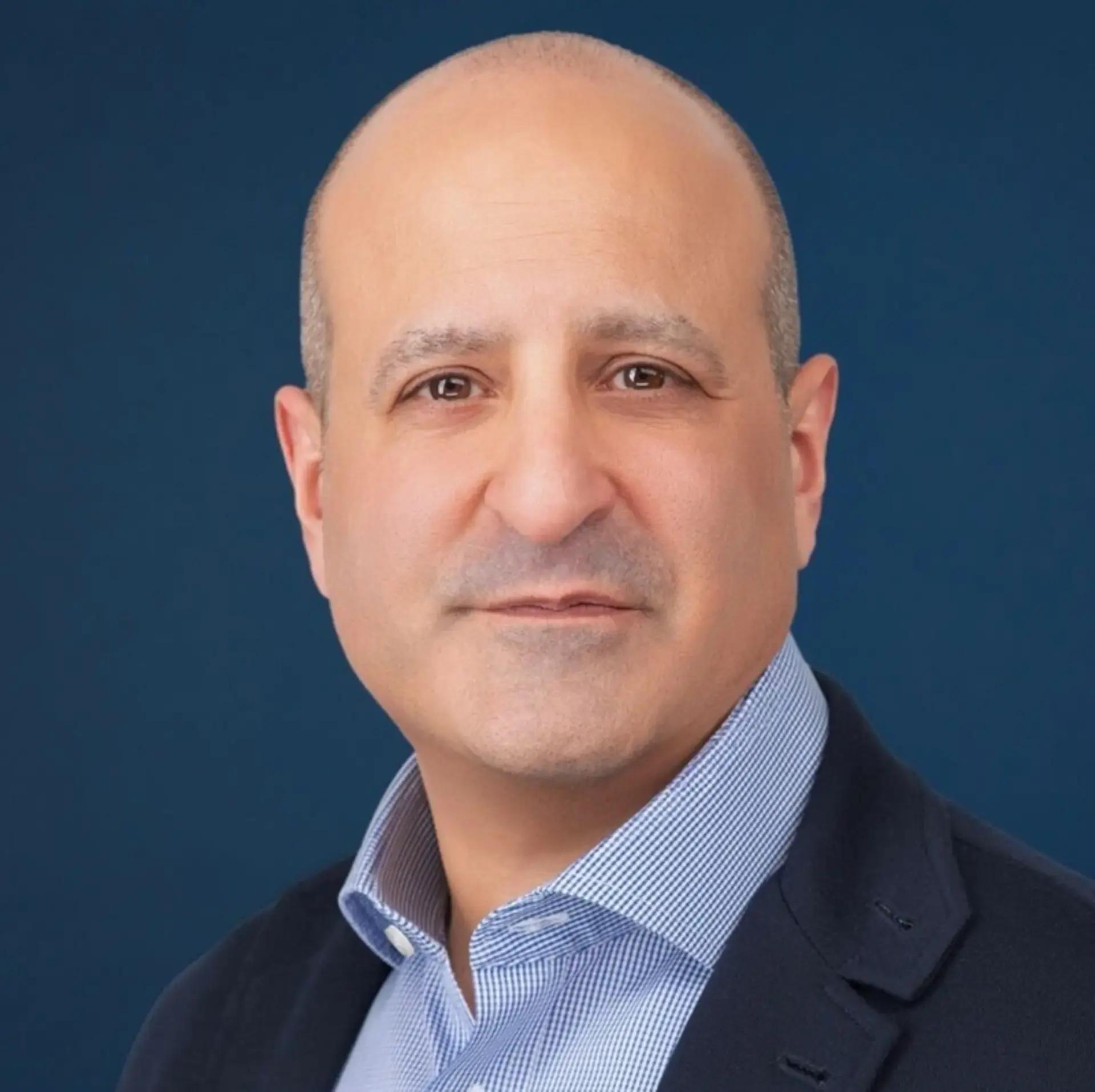
SharpLink Gaming CEO Joseph Chalom said Ethereum’s next leg upward depends on three catalysts: regulatory clarity from Washington, a rebound in risk appetite, and a sustained push into real-world asset tokenization. Chalom pointed to the Digital Asset Market Clarity Act (CLARITY) as a potential spark, saying all 13 Republican members and two Democrats on the Senate Banking Committee voted to advance the CLARITY Act at a committee meeting. On the macro side, Chalom tied a return in crypto momentum to easing geopolitical tensions and the cooling of the “AI thesis,” adding, “I think we'll need some of that to go away in order to see crypto rise again,” on Cointelegraph’s Chain Reaction.
For the tokenization catalyst, Chalom said, “Tokenization of financial assets is where Ethereum is going to dominate,” and he cited roughly $32 billion of tokenized real-world assets as a starting point. In the same framing, CoinMarketCap data cited in the coverage put Ether at $2,190 after falling 55% from an all-time high of $4,823 in August 2025.
Asia watches Washington shift
Chalom said the CLARITY Act move is being watched beyond the U.S., describing it as “a US phenomenon” that is also seen as a major signal for other jurisdictions around the world. In comments carried by Cryptonews.net, Chalom said, “I've been traveling a lot in Asia, and if you go to Korea, Hong Kong, Tokyo and Singapore, they are watching really closely,” because he said the U.S. could become a leader again in finance. Bloomingbit similarly framed the impact as reaching major Asian financial hubs including South Korea, Hong Kong, Japan and Singapore, tied to the idea that the U.S. is moving away from a previously hostile stance toward digital assets.
On the market side, Chalom linked the second catalyst to a recovery in risk appetite that would follow “uncertainty in the macro environment eases,” as the “AI investment theme” cools. Across the same set of coverage, the tokenization market size Chalom cited was about $32 billion today, with a path to $500 billion or $1 trillion over time.

Tokenization and treasury strategy
Chalom’s tokenization thesis also came with a concrete market projection: he said there’s about 32 billion of tokenized RWA and that tokenization started in 2017, but that “Now you're seeing announcements of whole fund complexes being tokenized.”
“‘You could see a world where there's not $30 billion in tokenized assets in a year from now.”
Cointelegraph’s coverage tied that acceleration to specific institutional filings and partnerships, including JPMorgan filing to launch a tokenized money market fund on Ethereum and Franklin Templeton teaming with Ondo Finance to bring tokenized versions of its exchange-traded funds onchain.
In the same broader outlook, Chalom said, “You could see a world where there's not $30 billion in tokenized assets in a year from now. It could be $500 billion or a trillion.”
Separately, CoinMarketCap reported Chalom at Consensus in Miami on May 7 describing how Ethereum treasury firms diverge from Strategy’s model by focusing on staking income instead of debt-heavy strategies.
CoinMarketCap also said Sharplink holds 868,699 ETH valued at approximately $1.96 billion, and it quoted Chalom referencing Larry Fink’s description of Ethereum as the “toll road to tokenization” at Davos in January 2026.