Full story
Route, control, and conditions
Iranian officials involved in talks with Oman said Tehran wants to control the entry movement of ships into the Strait of Hormuz, monitor ships as they depart, and retain the ability to intervene when necessary as part of a provisional plan to reopen the waterway.
““the general idea that is currently under discussion””
Reuters reported that ships leaving would use a route that passes between Iran and Oman, with the sultanate granting exit clearance after notifying Tehran, and the Iranian official described this as “the general idea that is currently under discussion.”

The same Reuters account said negotiations between Tehran and Muscat began in late July amid Iranian insistence on managing movement, issuing permits, and setting routes and timings, while Iran had rejected an Omani proposal to split transit routes evenly between the two littoral states.
Reuters also said Western diplomats reported Tehran was considering allowing European states to participate in mine clearance operations in the Strait of Hormuz, while the diplomats said any European mine-clearing mission would be conditioned on Iran’s security guarantees, a continuing ceasefire, and approval from the Revolutionary Guards.
In parallel, Reuters quoted Iran’s Foreign Ministry spokesperson Ismail Qajari saying Iran and Oman agreed on “the geographical coordinates of a navigational route through the Strait of Hormuz,” while adding that such an agreement “will not, by itself, guarantee security” in the waterway.
Fees, mines, and disputed details
A separate Reuters report cited by DW said “The proposal currently on the table hands over the control of ships entering the Persian Gulf via Hormuz to Tehran,” while Reuters also identified unresolved points about fees and supervision.
DW reported that regional negotiators want regional supervision over inspections and want any fees to remain nominally “voluntary,” with Iran seeking 5–7 percent of cargo value, Oman mentioning 3 percent, and Washington wanting zero fees.
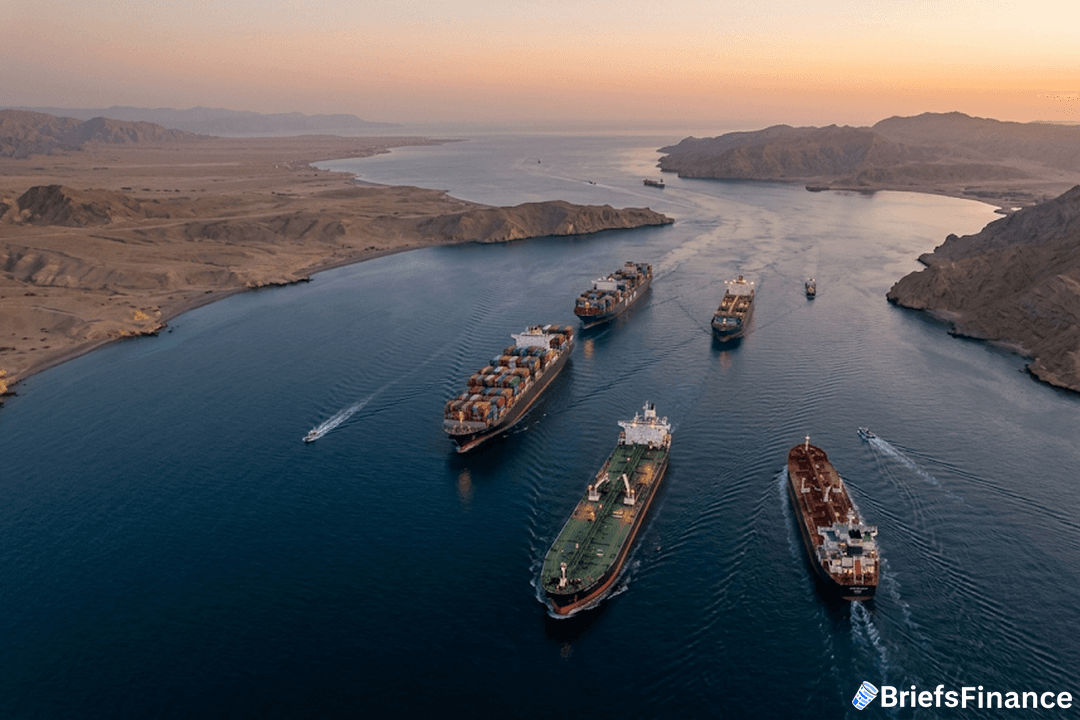
DW also quoted maritime law concerns through Deutsche Welle’s expert Saeed Mahmoudi, who said he had not yet seen the text and suspected the issue was about creating a new transit channel in the middle of the Strait of Hormuz, with no clear indication Iran would necessarily collect fees.
Tabnak, citing Axios and regional sources, described a proposed temporary 60-day arrangement in which inbound ship traffic would pass via the northern route within Iranian waters and outbound traffic would pass via the southern route near Oman, with “Within 30 days, the parties will begin clearing sea mines from the midline of the Strait.”
CNN Arabic reported that Iran said it is putting the finishing touches on a deal with Oman but stressed that reaching agreement between the two littoral states does not automatically mean reopening, and it said Tehran conditions approval on assurances from the United States, including lifting the naval blockade on Iranian ports.
What comes next for reopening
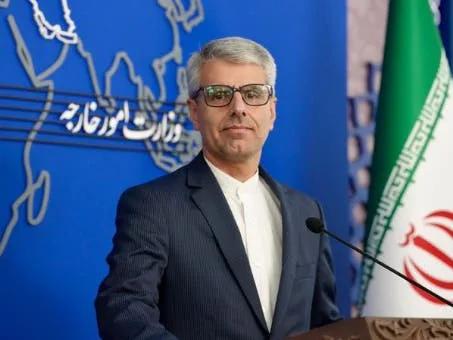
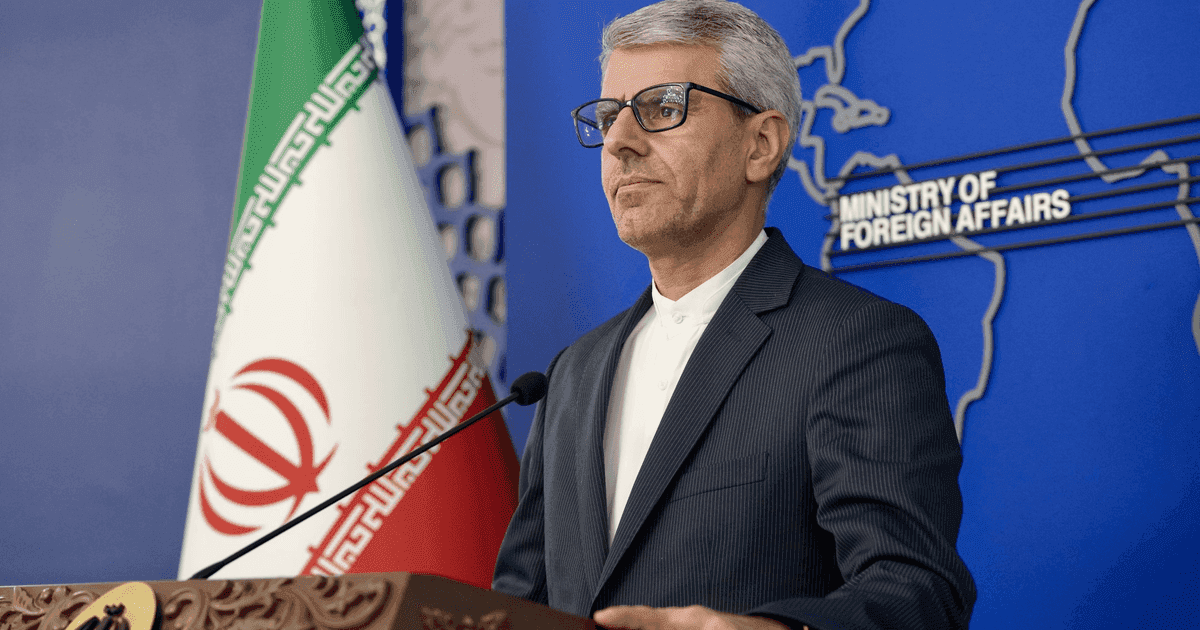
Iran’s Foreign Ministry spokesperson Ismail Baghaei said the joint statement by Iran and Oman is in the final review and drafting stage, and he stressed that the agreement “does not in itself mean that the Strait of Hormuz is secure.”
“does not in itself mean that the Strait of Hormuz is secure”
Baghaei said negotiations between Iran and Oman have been ongoing for two months to determine a safe passage route for commercial navigation and that Iran’s competent authorities reviewed technical, legal, security, and environmental aspects.
ISNA quoted Ismail Baghaei saying the geographical coordinates of the route have been agreed upon and that, if third parties do not obstruct, the joint statement is in the final stage of review and drafting.
The Times of India, citing four regional sources via PBS correspondent Nick Schifrin, said the arrangement would be announced by Iran, Oman and the UN’s International Maritime Organization alongside the US and would involve “no fees or tolls,” while describing it as temporary and intended to restart a 60-day clock.
Reuters also reported that senior Iranian officials and regional sources declined to confirm President Donald Trump’s assertion that an agreement allowing the Strait to be opened is imminent, saying important details must be agreed upon.