Europe26 September, 20252 min read
Slovak Parliament Amends Constitution to Recognize Only Male and Female Genders
This article is an automated aggregation of coverage from news outlets. Our editorials offer in-depth analysis curated by the NewsCord team.
Slovak parliament passed a constitutional amendment recognizing only male and female genders. The amendment restricts adoption rights to married heterosexual couples and limits LGBTQ rights.
10 outlets told this the same way.
Outlets did split on Marco Rubio Urges Europe To Awaken From Slumber In Athens Speech →
Slovakia's 2025 Constitutional Changes
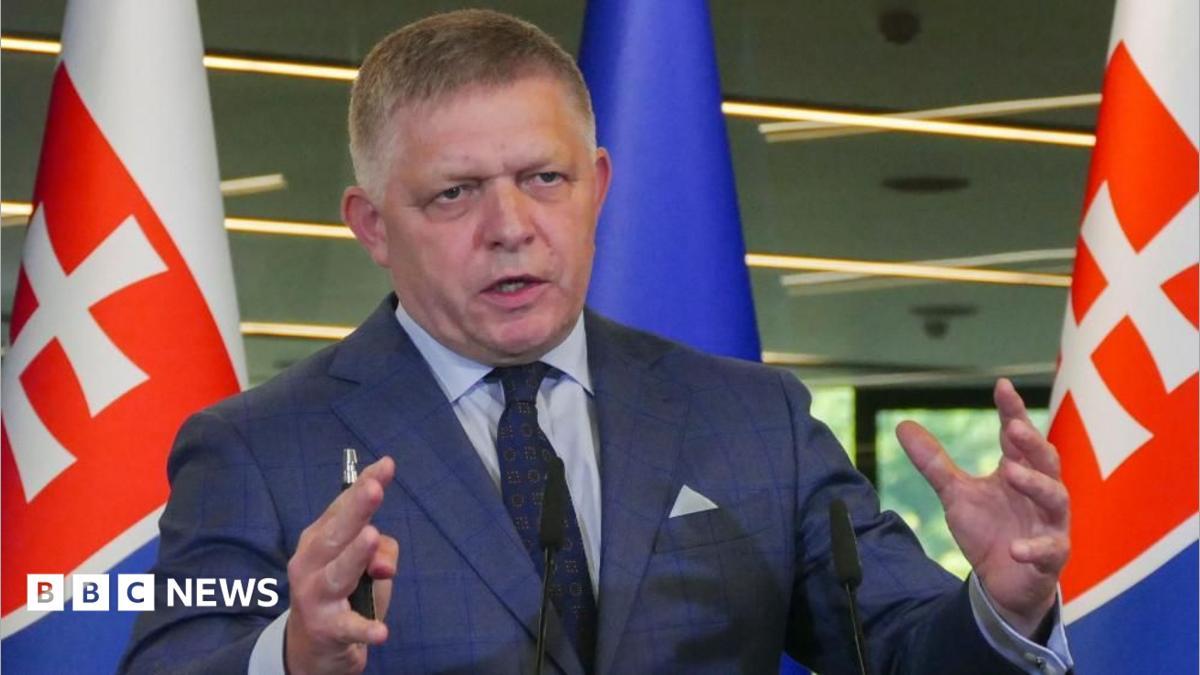
On September 26, 2025, Slovakia's National Council passed a constitutional amendment that prioritizes domestic law over international law, emphasizing traditional values and national sovereignty. The amendment was proposed by Prime Minister Robert Fico's government and was approved with 90 out of 150 votes, despite the ruling coalition's slim majority. It recognizes only two genders—male and female—and sets new rules for child adoption, allowing minors to be adopted only by married couples, with single adoptions requiring court approval.
“On 26 September 2025, Slovakia’s National Council adopted a constitutional amendment proposed by Prime Minister Robert Fico’s government to prioritize domestic law over international law and reinforce traditional values.”
The amendment also grants parents the right to decide on their children's participation in education beyond the state curriculum, including sexual education. Additionally, it introduces the principle of equal pay for equal work between men and women.
Criticism of Human Rights Amendment
The amendment has sparked significant controversy and criticism, particularly from human rights organizations and international bodies. Amnesty International condemned the move, describing it as a setback for human rights and a contradiction to international law.
Rado Sloboda, Director of Amnesty International Slovakia, highlighted the negative impact on marginalized groups, including LGBTI people. The Council of Europe’s Human Rights Commissioner also warned that the amendment undermines the rights of trans and intersex people and conflicts with Slovakia’s international obligations.

Slovakia's Political Shift
The amendment's passage reflects ongoing political tensions in Slovakia. Prime Minister Robert Fico is accused by critics of steering the country away from a pro-Western path towards closer alignment with Hungary and Russia. This shift has sparked widespread protests throughout the year, as reported by local sources.
“Thousands of people in the central European country of 5.4 million have repeatedly protested against the government throughout this year.”
The amendment is seen as part of a broader strategy to reinforce traditional values and national identity. Some argue this could lead to increased discrimination and isolation from the European Union.
Slovakia's Policy Amendments
The amendment introduces specific changes to Slovakia's educational and social policies. It restricts adoption rights primarily to married heterosexual couples and requires parental consent for sexual education. These changes align with the country's cultural and ethical values as defined in the constitution.
Justice Minister Boris Susko stated that these changes aim to reinforce traditional values. Supporters view the amendment as a necessary defense against progressive politics.