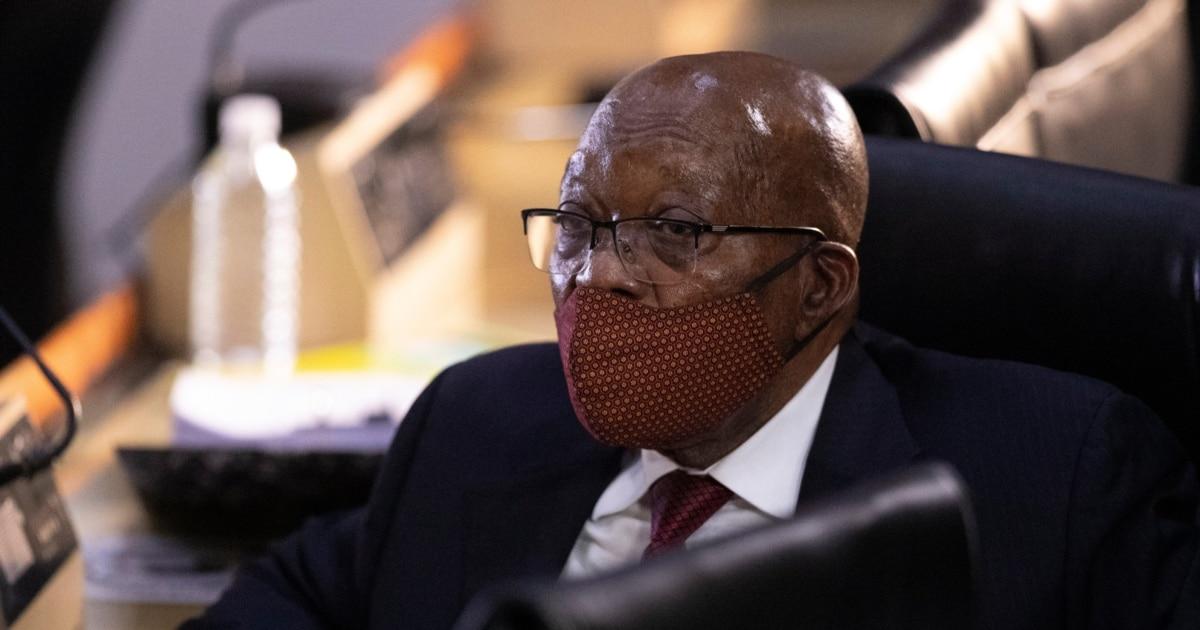
South Africa’s Constitutional Court Orders Parliament To Restart Ramaphosa Impeachment Inquiry Over Phala Phala
Key Takeaways
- Constitutional Court orders Parliament to restart impeachment inquiry into Ramaphosa over Phala Phala.
- Court found Parliament unlawfully blocked impeachment moves in 2022.
- Opposition parties demand immediate impeachment or Ramaphosa resignation following ruling.
Phala Phala impeachment revived
South Africa’s Constitutional Court ordered Parliament to restart an impeachment inquiry into President Cyril Ramaphosa after lawmakers blocked the process in 2022 over the Phala Phala matter.
“To produce quality and independent information, Africa Intelligence relies solely on subscriptions from its readers, with no advertising, no events, and no consulting services”
The ruling set aside the December 2022 vote in which the National Assembly rejected the Section 89 Independent Panel report that had found prima facie evidence against Ramaphosa for having US$580,000 in his farmhouse without declaring it to the taxman and also failing to report a break-in and theft of the money to relevant authorities.
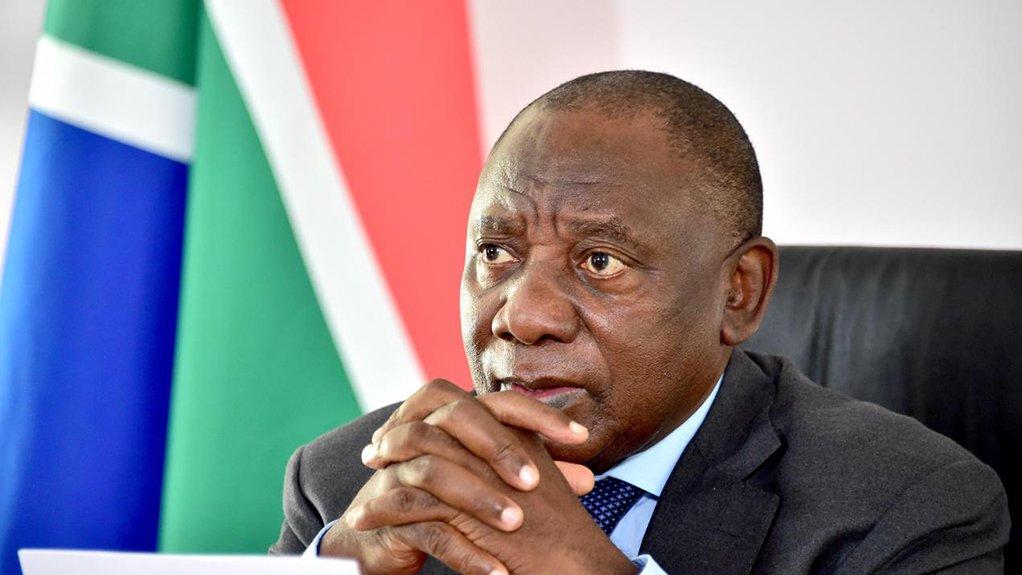
Chief Justice Mandisa Maya said, "It is declared that the vote of the National Assembly taken on 13 December 2022... is inconsistent with the Constitution, invalid, and it is set aside," and the court did not rule on the substance of the allegations.
The dispute centers on the 2020 theft of about $580,000 in cash hidden in a couch at Ramaphosa’s Phala Phala game farm, with the court ordering that the report be referred to an impeachment committee for proper parliamentary scrutiny.
The Constitutional Court ruling came after a legal challenge by the Economic Freedom Fighters (EFF) and the African Transformation Movement (ATM), and it reopened a politically sensitive chapter that could lead to fresh impeachment proceedings.
Malema urges resignation
After the Friday judgment, EFF leader Julius Malema called on Ramaphosa to resign immediately, telling supporters outside the apex court building in Braamfontein, Johannesburg that "With this judgment, if we had a responsible president, he should be resigning."
Malema framed the timing as incompatible with holding office, saying, "you cannot have a president who is preparing for an impeachment process this side and occupying the office at the same time, because one is going to suffer."
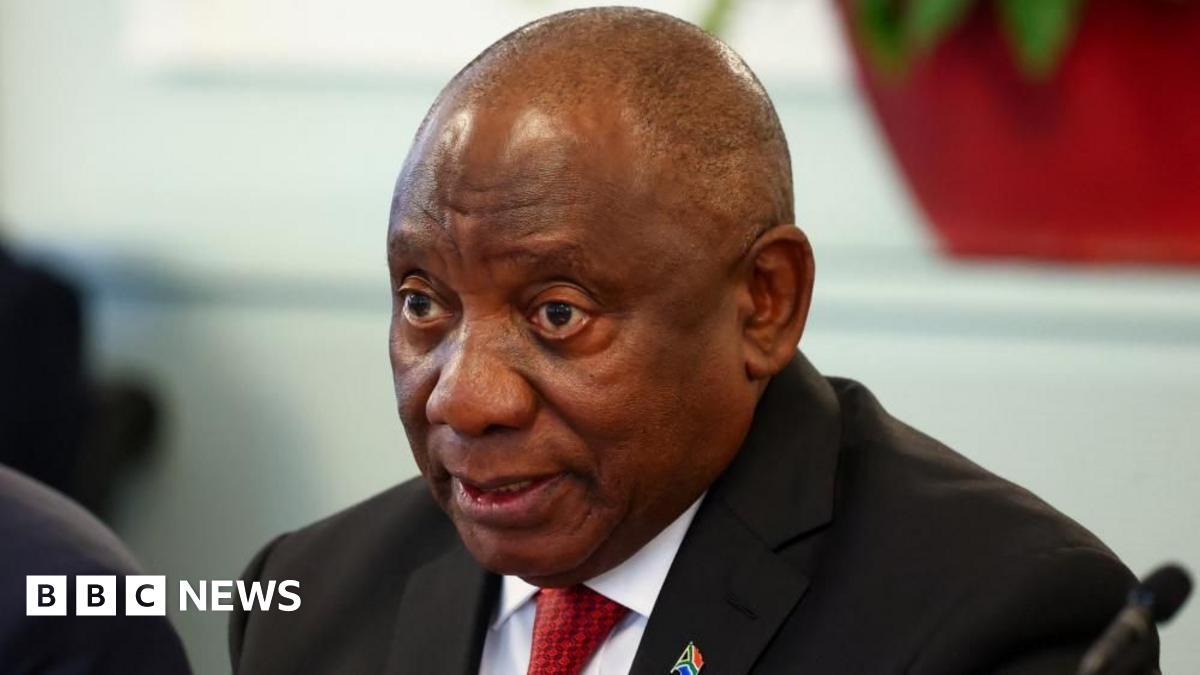
The EFF also demanded that Speaker Thoko Didiza establish the impeachment process immediately, while the Mail & Guardian reported the party wrote to the parliamentary chief whip demanding the immediate implementation of the Constitutional Court’s ruling.
ATM spokesperson Zama Ntshona argued impeachment would be impractical if Ramaphosa resigns, saying, "The impeachment process can only be done if the president is a sitting president because once he resigns, we will not be able to impeach him."
The Democratic Alliance leader Geordin Hill-Lewis said the DA respects the ruling and that "no one should expect the DA to shield wrongdoing," adding that the impeachment committee should do its work properly, rationally, fairly and constitutionally.
What happens next
The Constitutional Court ruling requires Parliament to refer the Section 89 Independent Panel report to an impeachment committee, and the Mail & Guardian said the court directed that the report must be referred for proper parliamentary scrutiny.
“- Published South African opposition leader Julius Malema has called on President Cyril Ramaphosa to resign after the Constitutional Court ruled that parliament had violated the constitution by blocking moves to impeach him in 2022”
The EFF said the Constitutional Court judgment delivered on Friday 08 May 2026 meant Parliament must take immediate steps, and it demanded clear timelines for how and when the court order would be implemented.
In the same dispute, the court replaced a parliamentary rule governing impeachment procedures with a read-in version that obliges Parliament to refer a panel’s findings to the impeachment committee for a full inquiry into hearing evidence and determining whether grounds exist to remove a sitting president.
The stakes extend beyond the impeachment vote itself, because the Mail & Guardian said that to impeach Ramaphosa Parliament would require a two-thirds majority for the motion to succeed and for him to be removed as head of state.
The ruling also prompted coalition-era positioning, with the DA confirming it would participate fully and constructively in the impeachment committee and ActionSA welcoming the decision as a "victory for accountability" as opposition parties prepare to test the parameters of the Seventh Parliament.
More on Africa

Clavicular Charged With Braden Eric Peters After Florida Livestream Alligator Shooting
13 sources compared

WHO Confirms Andes Hantavirus Strain in MV Hondius Passengers, With Possible Human-To-Human Spread
13 sources compared
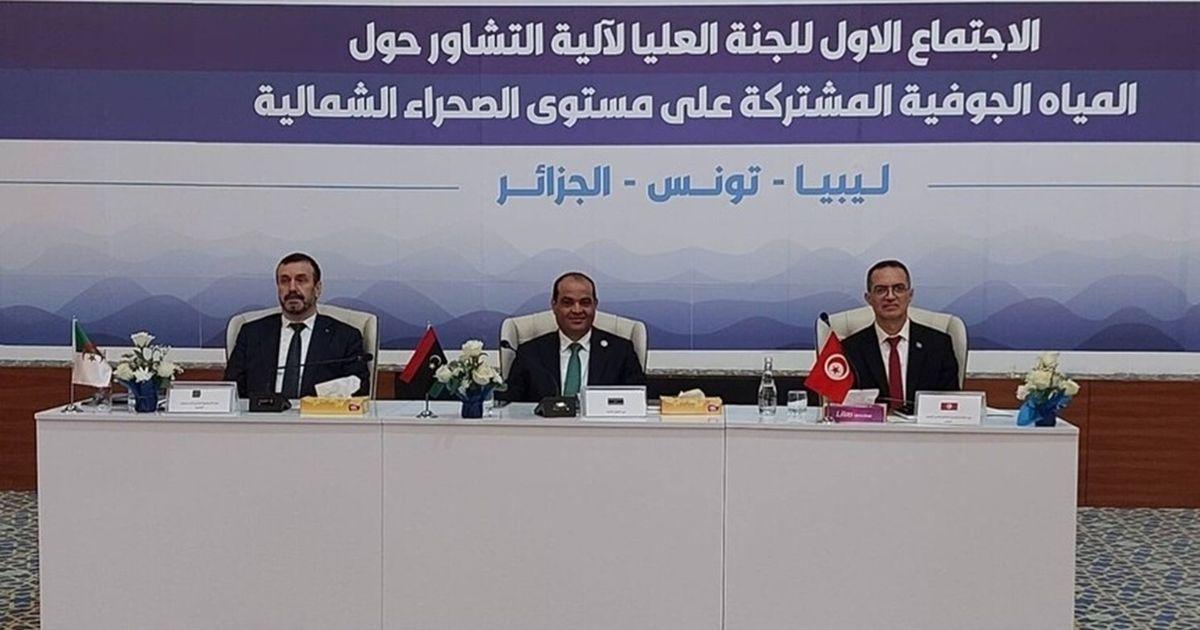
Libya, Algeria, and Tunisia Adopt Tripoli Declaration to Jointly Manage North Sahara Aquifer
18 sources compared

Ghana Rejects US Health Deal Over Sensitive Data Privacy, Sovereignty Concerns
16 sources compared