
Africa · 03 May, 2026 · 8 min read
Ghana Rejects US Health Deal Over Sensitive Data Privacy, Sovereignty Concerns
Ghana rejected a US health deal over access to health data, citing privacy and sovereignty. The proposed agreement was worth $109 million over five years.
8 of 9 outlets skipped it: RFI adds specifics about 25-year commitments for data sharing vs. 5-year deal term, and concerns about lack of guarantees for access to innovations..
16outlets compared
Same story, two versions
tap a side to read it in full
The Morning Voice
“A key concern was the clause allowing up to 10 US entities to access sensitive data without prior approval from Ghanaian authorities. Instead, Ghana would only be notified after such access occurred.”Read the original ↗
TTYBrand Africa
“He added that the agreement lacked strong oversight mechanisms that would give Ghana prior approval over how the data could be used. Instead, the country might only receive notice after actions had already taken place.”Read the original ↗
Both describe a lack of prior approval, but they differ in emphasis: one foregrounds the number of entities (up to 10) and the “notified after access occurred” mechanism, while the other stresses the absence of oversight/prior approval and later “notice after actions.” The detail affects how readers interpret the practical risk (scope vs. governance workflow).
Accra Rejects Deal
Ghana rejected a proposed United States health agreement after raising concerns over data privacy, sovereignty, and control of sensitive national health records, with Accra confirming the decision on Friday, 1 May.
“Ghana rejects a proposed health agreement with the United States over data privacy concerns and is now seeking revised terms, an official said on Friday, 1 May”
The dispute centered on provisions that would have granted US-linked entities broad access to Ghana’s health databases, metadata systems, reporting tools, and digital dashboards, according to Arnold Kavaarpuo, Executive Director of Ghana’s Data Protection Commission.
Kavaarpuo said the requested access “went far beyond what would typically be required,” and he described the proposal as lacking strong oversight mechanisms that would give Ghana prior approval over how the data could be used.
Instead, Ghanaian officials said the country might only receive notice after actions had already taken place, a sticking point during negotiations.
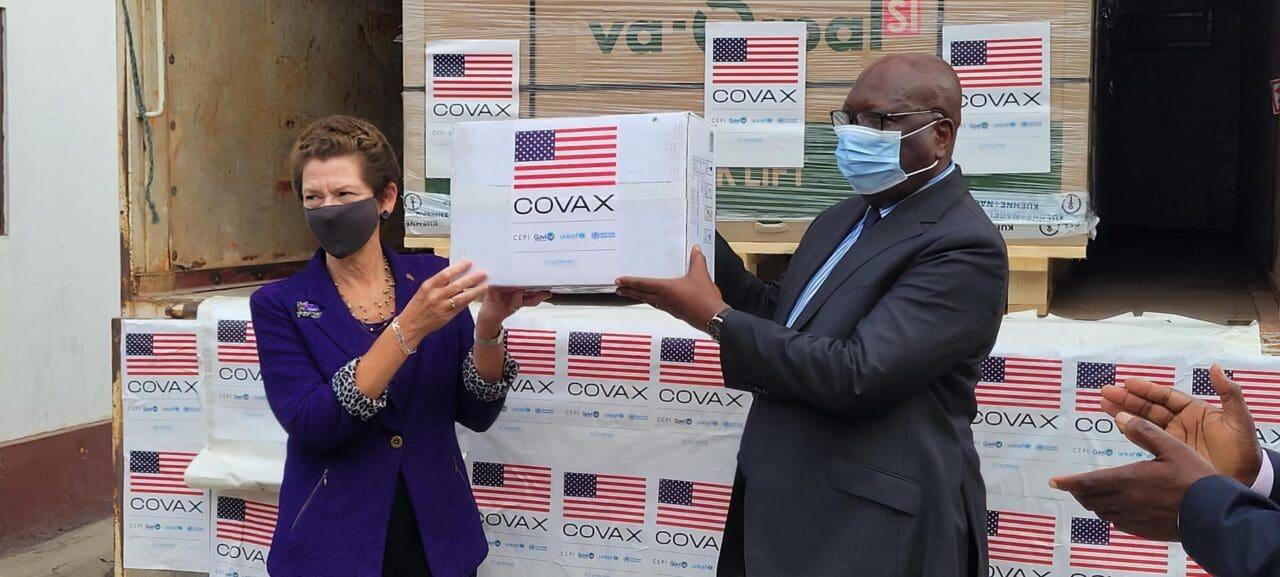
The proposed package reportedly carried a total value of around $300 million, with Ghana itself set to receive roughly $109 million over five years, while additional investments would come from the Ghanaian government.
The US Department of State did not disclose details of bilateral negotiations, with a spokesperson saying, “We continue to look for ways to strengthen the bilateral partnership between our two countries,” while also stating it does not comment on details of bilateral negotiations.
Ghana said it informed Washington of the rejection and requested a fresh agreement with stronger protections, while remaining open to renegotiating a better deal.
What Ghana Objected To
Ghana’s objections were tied to how the proposed agreement would handle sensitive health data, including the possibility of identifying individuals and the scope of access requested for foreign entities.
Arnold Kavaarpuo said some clauses could have allowed individuals to be identified when considered necessary, describing that condition as “highly sensitive,” and he argued the agreement lacked strong oversight mechanisms that would give Ghana prior approval over data use.
He also said the requested access extended far beyond what Ghana considered normal or necessary, explaining that the agreement covered not only health records but also metadata, analytics dashboards, reporting tools, and data models.
In the National Herald account, Kavaarpuo told the Associated Press that the extent of requested access “went far beyond what would typically be required,” and he said Ghana did not get a sense that it had “any real governance oversight when it came to how the data was going to be utilised.”
The Morning Voice reported that a key concern was a clause allowing up to 10 US entities to access sensitive data without prior approval from Ghanaian authorities, with Ghana only notified after such access occurred.T
Kavaarpuo described the effect as “outsourcing the health data architecture of the country to a foreign body,” and he said the proposed data-sharing agreement looked at access not only to health data sets but also to “metadata, dashboards, reporting tools, data models and data dictionaries.”
Ghana’s position was that privacy rights and national control could not be compromised, even with the financial incentives offered under the deal.
Regional Pattern and Pressure
Ghana’s rejection was described as part of a broader pattern across Africa in which countries questioned or declined similar US health data arrangements under Washington’s restructured global health funding approach.
“Ghana has become the latest African nation to reject a proposed United States health agreement”
The TTYBrand Africa report said the move placed Ghana “among a growing number of African countries questioning similar arrangements offered under Washington’s new foreign health funding model,” and it noted that Zimbabwe had earlier rejected a similar proposal citing fairness, sovereignty and data access concerns, while Zambia had reportedly questioned parts of its own deal.T
The National Herald account similarly described Ghana as “the latest African country to reject the deal on similar grounds,” and it said the policy, under President Donald Trump’s “America First” global health funding approach, replaced earlier arrangements under the now-dismantled United States Agency for International Development.
It also stated that the US had signed similar agreements with more than 30 countries, most of them in Africa, and that the agreements offered hundreds of millions of dollars in US funding aimed at supporting public health systems and tackling disease outbreaks.
RFI’s account added that the talks were launched in November and heated up, then broke down after a deadline set for April 24, while also stating that the American offer stood at $109 million over five years.
KOACI’s report said negotiations between the two parties began in November 2025 and that “pressure intensified, especially toward the end,” before Ghana announced its decision on April 28, 2026.
Across the accounts, the US State Department’s stance was consistent in declining to disclose details of negotiations while affirming commitment to strengthening ties, with one spokesperson quoted as saying, “We continue to look for ways to strengthen the bilateral partnership between our two countries.”
Voices on Data Sovereignty
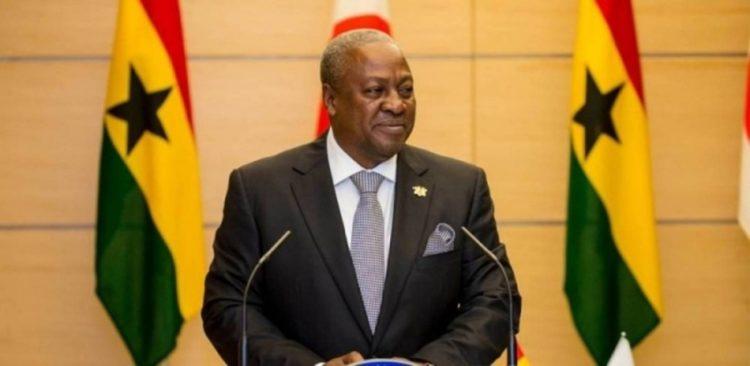
The Ghanaian Data Protection Commission’s executive director, Arnold Kavaarpuo, framed the rejection as a governance and sovereignty issue rather than a narrow technical dispute.
In the National Herald account, he said the requested access “went far beyond what would typically be required,” and he argued that Ghana lacked “any real governance oversight when it came to how the data was going to be utilised.”
He also said the proposed agreement looked at access to “metadata, dashboards, reporting tools, data models and data dictionaries,” and he warned that the arrangement would effectively shift control of the health data architecture to foreign actors.
The Morning Voice quoted Kavaarpuo saying the scope of access requested “went far beyond what would typically be required” and described the clause allowing up to 10 US entities to access sensitive data without prior approval from Ghanaian authorities.T
The US State Department spokesperson, speaking on condition of anonymity in the National Herald account, said, “We continue to look for ways to strengthen the bilateral partnership between our two countries,” and the same account said the department does not disclose details of bilateral negotiations.
RFI’s account added that Accra expressed a preference for sharing health data within the World Health Organization (WHO), rather than bilateral agreements with the United States weakening it.
The Morning Voice also referenced Jean Kaseya of the Africa Centres for Disease Control and Prevention flagging “huge concerns” over data and pathogen sharing, placing Ghana’s concerns within a wider institutional debate.
Divergent Timelines and Framing
While the core facts of Ghana rejecting the US health deal over data privacy and sovereignty concerns appear across multiple reports, the accounts differ on timing and on how the negotiation breakdown is described.
“on Friday, 1 May”
The National Herald says Ghana turned down the proposed agreement and sought revised terms, with the official speaking on Friday, 1 May, while the Africa News Agency report says Ghana ended on April 28, 2026 negotiations with the United States over a health agreement worth 109 million dollars over five years.
RFI’s account states that talks launched in November heated up and then broke down after a deadline set for April 24, and it describes the US offer as $109 million over five years, while also saying the pressure followed a freeze on international aid announced by the Trump administration in January 2025.
KOACI similarly says negotiations began in November 2025 and that “pressure intensified, especially toward the end,” before Ghana announced its decision on April 28, 2026.
The TTYBrand Africa report, by contrast, says officials in Accra confirmed the decision on Friday and describes Ghana requesting a fresh agreement with stronger protections, while also stating the proposal reportedly carried a total value of around $300 million and that Ghana would receive roughly $109 million over five years.T
The Morning Voice emphasizes the “America First” global health strategy and adds that the agreement aimed to support Ghana’s public health system with $109 million over five years targeting diseases such as HIV/AIDS, malaria, and tuberculosis.T
Across these differences, the US State Department’s limited response is consistent in that it does not disclose details of bilateral negotiations, and the National Herald quotes the spokesperson saying, “We continue to look for ways to strengthen the bilateral partnership between our two countries,” while also stating, “We continue to look for ways to strengthen the bilateral partnership between our two countries,” and that it does not disclose details.
Next Steps and Stakes
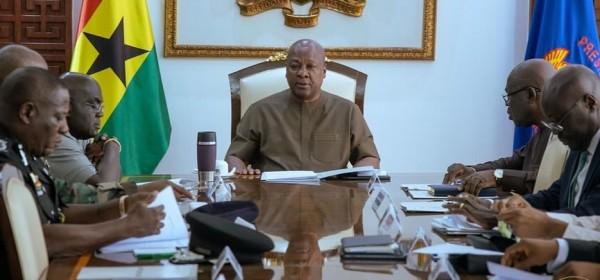
Ghana’s rejection sets up a renegotiation effort framed around stronger safeguards and prior approval mechanisms, while the US side continues to signal commitment to partnership without addressing the specific data concerns raised.
The TTYBrand Africa report says officials have already informed Washington of the rejection and remain open to renegotiating a better, fairer deal, emphasizing that privacy laws, sovereignty, and mutual accountability cannot be compromised.T
The National Herald account says Ghana is now seeking revised terms, and it quotes Kavaarpuo saying Ghana has informed the US of its decision to reject the proposal and has requested improved terms for a revised agreement.
The Morning Voice similarly states that while Ghana has formally declined the current proposal, it remains open to renegotiation with stronger safeguards, signaling a broader shift toward equitable partnerships and data sovereignty in global health cooperation.
RFI’s account adds that Accra expressed a preference for sharing health data within the World Health Organization (WHO), rather than bilateral agreements with the United States weakening it, and it says Africa CDC set up a high-level committee to this end on Monday.
The stakes described by the sources include whether Ghana can maintain control over sensitive health data architecture and whether foreign access could undermine governance oversight and public trust, with Kavaarpuo warning that the proposed data sharing agreement looked at access to “metadata, dashboards, reporting tools, data models and data dictionaries.”
Meanwhile, the US State Department’s limited response keeps the focus on strengthening ties, with the National Herald quoting, “We continue to look for ways to strengthen the bilateral partnership between our two countries,” and stating it does not disclose details of bilateral negotiations.