Chad Sends Troops Into Cameroon To Fight Boko Haram, Retake Baga
Key Takeaways
- Chad dispatched troops to Cameroon; dozens of armored vehicles departed.
- The mission aims to help Cameroon counter Boko Haram insurgency.
- The operation marks cross-border military support in the region.
Troops to Cameroon
Chad moved to deepen its fight against Boko Haram by sending troops into Cameroon, with France 24 reporting that “Des dizaines de blindés tchadiens ont quitté, vendredi 16 janvier, la capitale, N'Djamena, en direction du sud pour rejoindre le Cameroun.”
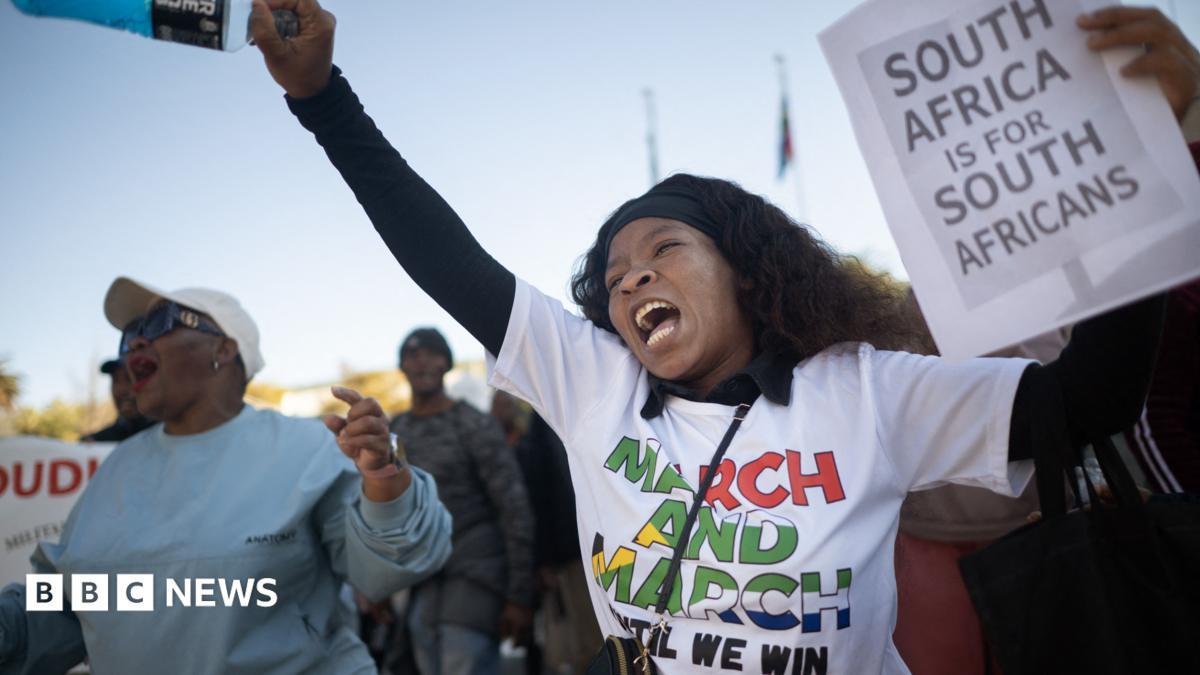
“The specter of xenophobia looms over South Africa once again”
The report says the column of “plusieurs dizaines de blindés tchadiens” was seen leaving N’Djamena and that the armored vehicles, flying the Chadian flag, crossed the bridge over the Chari River to head south toward Bongor.

From there, the French-language report says the soldiers could cross into Cameroon and then move west “dans la zone frontalière au Nigeria.”
France 24 links the deployment to a decision by the National Assembly, noting that “l'Assemblée nationale tchadienne avait donc autorisé l'envoi de soldats tchadiens” to support forces engaged in the war against terrorists in Cameroon and Nigeria.
The same article quotes a message read in the Assembly by its president Haroun Bakadi, in which President Idriss Deby Itno set out an intention to retake Baga, a Nigerian town held by the Islamist group since its offensive of 7 January.
France 24 frames that objective in the president’s words: “[Il faut libérer] cette localité qui constitue l'épicentre de nos échanges économiques et est indispensable à la relance du trafic et à la circulation des biens et des personnes en toute sécurité”.
The report also states that Chad considers Boko Haram a threat to its “intérêts vitaux,” and it places the move within a broader regional pattern of attacks, including a raid on a Cameroon army base at Kolofata reported as having happened “Lundi encore.”
Baga and the escalation
France 24 situates Chad’s troop movement in a specific escalation timeline around Baga, saying the town in Nigeria has been “entre les mains de la secte islamiste depuis leur offensive du 7 janvier.”
The report describes Boko Haram’s broader campaign in the region, stating that the group “a proclamé un califat dans le nord-est du Nigeria” and that it “multiplie les attaques contre le Cameroun voisin.”

It also says Boko Haram was accused by Washington and Paris of “crimes contre l'humanité” after a series of deadly attacks in Nigeria, and it adds that Amnesty International described the attack on Baga as “la plus grande et la plus destructrice” since the group’s insurrection began in 2009.
France 24 provides a quantitative baseline from Amnesty International, stating that since 2009 Boko Haram has “déjà fait plus de 13 000 morts et 1,5 million de déplacés.”
The report quotes French President François Hollande using the term “crime contre l'humanité” and says Hollande argued that “cette situation exige de la communauté internationale [qu'elle prenne] les mesures appropriées.”
In the same article, it includes a perspective from Abubakar Gamandi, identified as being from the Borno State fishermen’s union and “originaire de Baga,” who argued that the number of Islamist fighters has “baissé” at Baga.
Gamandi’s explanation, as quoted by France 24, is that “beaucoup d'entre eux ont regagné leurs bases,” and that Boko Haram had “mobilisé ses hommes partout dans le nord de l’État du Borno, pour l'attaque sur Baga.”
France 24 also notes that the report’s account of the immediate security environment includes a raid “sur une base de l'armée camerounaise à Kolofata” that it says Boko Haram launched “Lundi encore.”
Nigeria-South Africa row
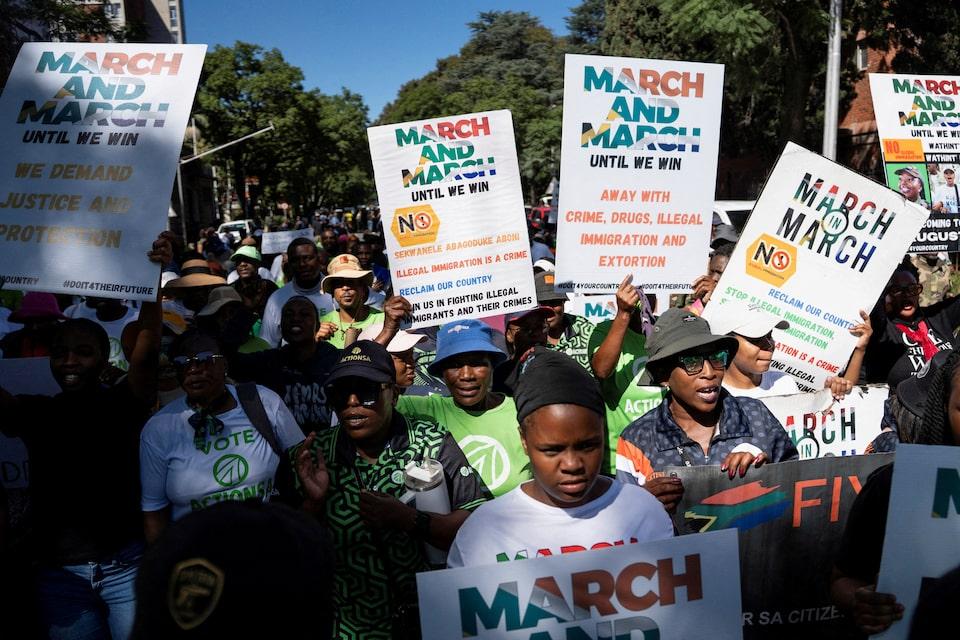
A separate Africa-focused diplomatic dispute centers on Nigeria summoning South Africa’s Acting High Commissioner over protests and reported attacks on Nigerians and their businesses.
“- Published Nigeria has summoned South Africa's acting High Commissioner over a spate of recent attacks on foreigners in the southern African nation”
Multiple outlets describe the same core action: Nigeria’s Ministry of Foreign Affairs invited the envoy for a meeting scheduled for Monday, May 4, 2026, at the ministry’s headquarters in Abuja.
Nigeria Info FM says the ministry will “formally express the government’s concerns over developments that could strain relations between both countries,” and it says discussions will focus on “ongoing demonstrations in South Africa and documented cases of alleged mistreatment of Nigerian citizens.”
Daily Post Nigeria similarly reports that the meeting is set for “Monday, May 4, 2026, in Abuja,” where Nigeria will “formally convey its concerns over the developments,” and it adds that the move follows reports that protests in South Africa escalated into “harassment, violence, and destruction of properties belonging to foreign nationals, including Nigerians.”
Radio Nigeria Lagos states the meeting is scheduled for “May 4, 2026” and says the ministry urged Nigerians to “remain calm” as diplomatic engagements continue.
FRCN HQ quotes the ministry’s framing of the meeting’s purpose, saying “The objective of this engagement is to formally convey the Nigerian Government’s profound concern regarding recent events that have the potential to impact the established cordial relations between Nigeria and South Africa,” and it says the meeting will address “documented instances of mistreatment of Nigerian citizens and attacks on their businesses.”
Voice of Nigeria adds that the meeting is intended to address “recent developments that could strain the long-standing diplomatic relations between both nations,” and it quotes the ministry urging Nigerians ‘to remain calm and refrain from actions that could escalate the situation.’
Different outlets, same meeting
While the diplomatic move is consistent across outlets, the language and emphasis vary in ways that shape how the episode is understood.
Nigeria Info FM frames the meeting as a formal expression of Nigeria’s concerns, saying the ministry will “formally express the government’s concerns over developments that could strain relations between both countries,” and it describes the discussions as focusing on “documented cases of alleged mistreatment of Nigerian citizens.”

Daily Post Nigeria emphasizes the reported escalation from protests into harm, stating that “the move follows reports that recent protests in South Africa have escalated into incidents of harassment, violence, and destruction of properties belonging to foreign nationals, including Nigerians.”
Radio Nigeria Lagos highlights the government’s call for restraint, saying the ministry urged Nigerians to “remain calm” while diplomatic engagements continue.
FRCN HQ provides a more detailed statement-like passage, including the line “The meeting will address the ongoing demonstrations by various groups and documented instances of mistreatment of Nigerian citizens and attacks on their businesses,” and it also quotes the ministry’s awareness of “growing discontent among Nigerians.”
Voice of Nigeria adds a specific attribution to the ministry’s spokesperson, stating that “Kimiebi Ebienfa” issued the statement and that the envoy has been invited to a meeting “scheduled for Monday, May 4, 2026, at the Ministry’s headquarters in Abuja.”
Peoples Gazette Nigeria names the foreign affairs minister, reporting that “Bianca Odumegwu-Ojukwu” disclosed the meeting and quoting the spokesperson “Kimiebi Ebienfa,” while it also includes the minister’s quoted call for calm: “Nevertheless, the ministry implores the Nigerian public to remain calm.”
Across the coverage, the meeting is repeatedly described as a mechanism to prevent strain in bilateral relations, with THISDAYLIVE quoting the objective as “The objective of this engagement is to formally convey the Nigerian Government’s profound concern regarding recent events that have the potential to impact the established cordial relations between Nigeria and South Africa.”
What comes next
The immediate consequence in the Nigeria-South Africa dispute is the scheduled high-level engagement on Monday, May 4, 2026, and the expectation that it will address demonstrations and reported mistreatment.
“Lutte contre Boko Haram : le Tchad envoie des troupes au Cameroun Des dizaines de blindés tchadiens ont quitté, vendredi 16 janvier, la capitale, N'Djamena, en direction du sud pour rejoindre le Cameroun et aider le pays dans sa lutte contre la secte islamiste Boko Haram”
Several outlets describe the meeting as a step to seek assurances and to communicate Nigeria’s position, with FRCN HQ stating that “The meeting will address the ongoing demonstrations by various groups and documented instances of mistreatment of Nigerian citizens and attacks on their businesses,” and with Voice of Nigeria saying officials will “seek assurances regarding the safety and protection of its nationals residing in South Africa.”

Arise News adds that Nigerian authorities will “formally register their strong displeasure” at the Abuja meeting, and it quotes the ministry spokesperson Kimiebi Ebienfa saying Nigeria is “deeply worried about the implications of the unrest on bilateral relations.”
The same Arise News report also places the stakes in a longer diplomatic history, referencing “major incidents in 2008, 2015, and 2019” and stating that the 2019 crisis “sparked a diplomatic row, with Nigeria recalling its High Commissioner and boycotting the World Economic Forum on Africa 2019 in protest.”
AfrikMag, meanwhile, describes a parallel diplomatic pressure point involving Ghana and South Africa, saying the Ghanaian government “officially summoned the South African envoy” and that Ghana announced “the urgent evacuation of some of its most vulnerable nationals” on “April 26, 2026.”
AfrikMag also names South Africa’s interim Minister Firoz Cachalia and quotes the Police Ministry’s position that South Africa is “a rule-of-law state” and that “no individual has the right to take justice into their own hands, regardless of their frustrations.”
In the background of these diplomatic moves, AfrikMag says additional police units were deployed in “Durban and Mthatha,” and it describes tensions in residential neighborhoods where groups attempted to force entry into apartment complexes alleged to be occupied by Nigerian and Ghanaian nationals.
More on Africa

Ghana Rejects US Health Deal Over Sensitive Data Privacy, Sovereignty Concerns
16 sources compared

Timmy the Humpback Whale Is Transported From Germany’s Baltic To The North Sea
14 sources compared

Pirates Hijack MV Abdullah and Sward Off Somalia, Security Vacuum Grows in Indian Ocean
15 sources compared

UNECA Workshop In Lusaka, Zambia Urges Morocco, DRC, Zambia To Build Electric Mobility Value Chains
12 sources compared