South Korea Says HESA Shahed 136 Drones May Have Hit HMM Namu in Strait of Hormuz
Key Takeaways
- South Korea condemns attack on HMM Namu in Strait of Hormuz.
- Government says investigations continue to determine cause of Namu strike.
- Seoul remains cautious about attributing responsibility for the attack.
Hormuz strike probe
South Korea’s presidential office said it could not determine the type of airborne objects involved in the Strait of Hormuz attack on the Panama-flagged cargo vessel HMM Namu, after Yonhap Korea reported that HESA Shahed 136 attack drones may have been used.
The presidential office disclosed the position in response to the report and said, "For now, the type of the airborne objects cannot be determined," while adding that it plans to identify who carried out the attack, the exact type and the size through further investigations.
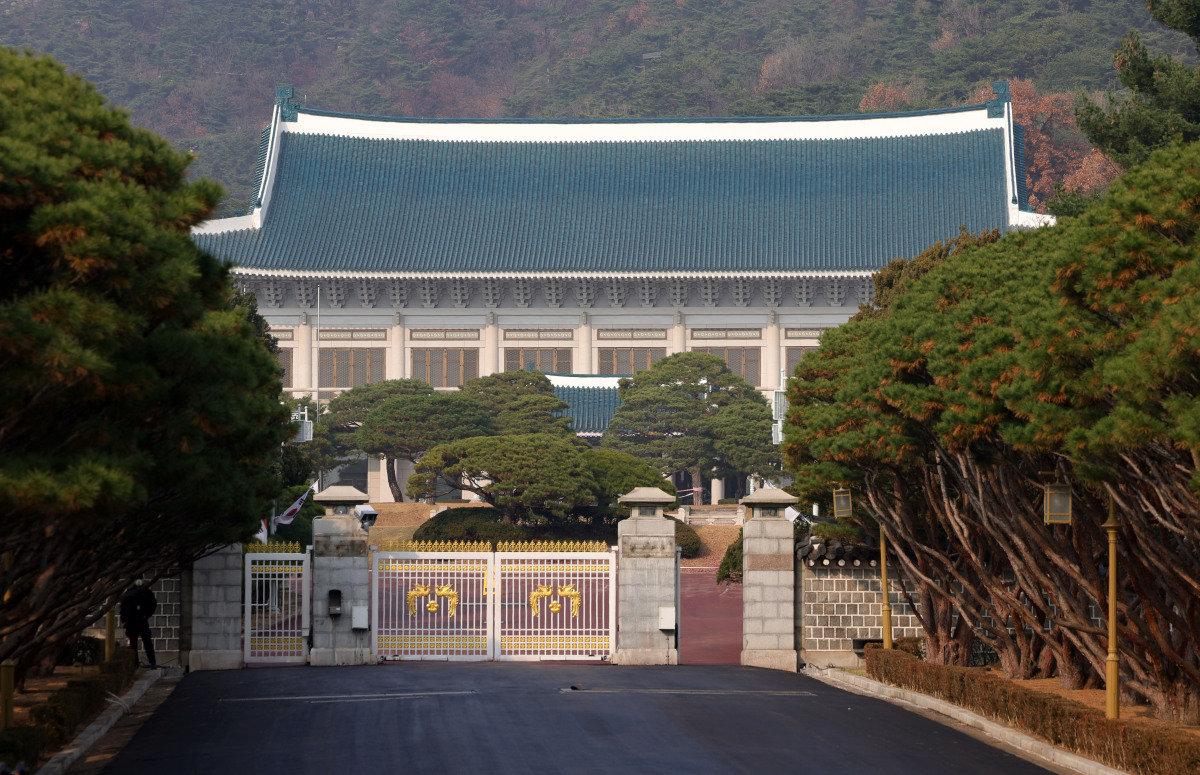
Cheong Wa Dae said the government had reportedly retrieved engine debris of the objects at the scene of the strike, which will soon be brought to Korea for analysis.
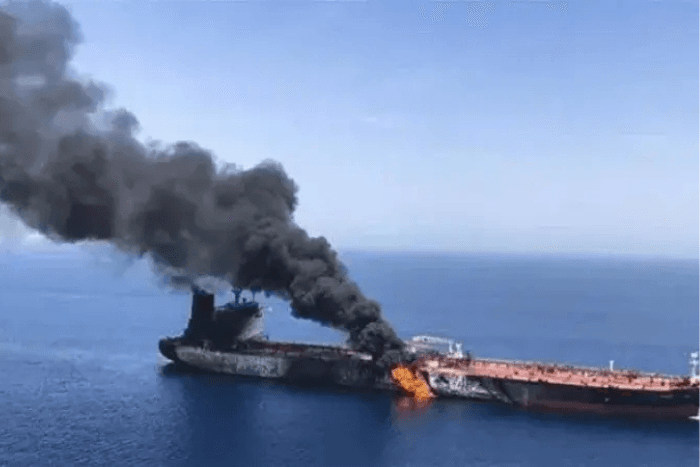
The attack left a 7-meter-wide rupture in the hull, and the HMM Namu was carrying 24 crew members including six South Koreans, with no casualties reported.
Seoul condemns, stays cautious
National security adviser Wi Sung-lac told reporters at Cheong Wa Dae that attacks on civilian vessels "can neither be justified nor tolerated," while stressing that Seoul had yet to determine the source of the attack or the exact type of airborne objects involved.
Wi said the government would take corresponding measures based on the results of additional analysis to identify the actor behind the attack and the exact type and physical characteristics of the unidentified airborne objects.
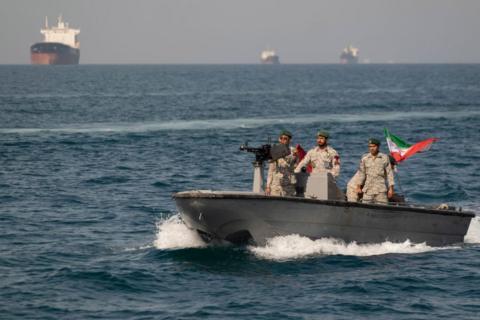
The presidential office said it currently viewed the possibility of sea mines or torpedoes being involved as low, citing the pattern of the damage, and said "Further investigation is needed" for more accurate information.
A day earlier, the Foreign Ministry said a joint government investigation found that two "unidentified airborne objects" caused the explosion and fire aboard the vessel on May 4.
Debris, diplomacy, and risk
Seoul said it was continuing a detailed examination of engine fragments collected at the scene and had not yet determined the origin of the airborne objects, while Foreign Minister Cho Hyun said additional examination was required before any judgment.
Cho told reporters Monday while arriving at the Government Complex Seoul that "There are still issues that require closer examination," and that any judgment would need to be made after a careful review.
The presidential office said it called in Iranian Ambassador to South Korea Saeed Kouzechi after the release of the investigation results, and Cho said Seoul deemed it necessary to convey the findings to Tehran, adding that the United States had also been informed.
Wi said South Korea would strengthen communication with related countries and step up efforts to ensure the safety of South Korean vessels and crew members operating near the Strait of Hormuz, while the presidential office said it was not yet in a position to identify any specific country as being responsible.
More on Iran
Mike Huckabee Says Israel Sent Iron Dome Batteries And Personnel To United Arab Emirates
15 sources compared

Donald Trump Meets Xi Jinping in Beijing to Discuss Iran War and Strait of Hormuz
56 sources compared
Trump Says Iran Ceasefire Is On Life Support After Iran Rejects U.S. Proposal
43 sources compared
Yoweri Museveni Sworn In For Another Five-Year Term In Kampala
16 sources compared