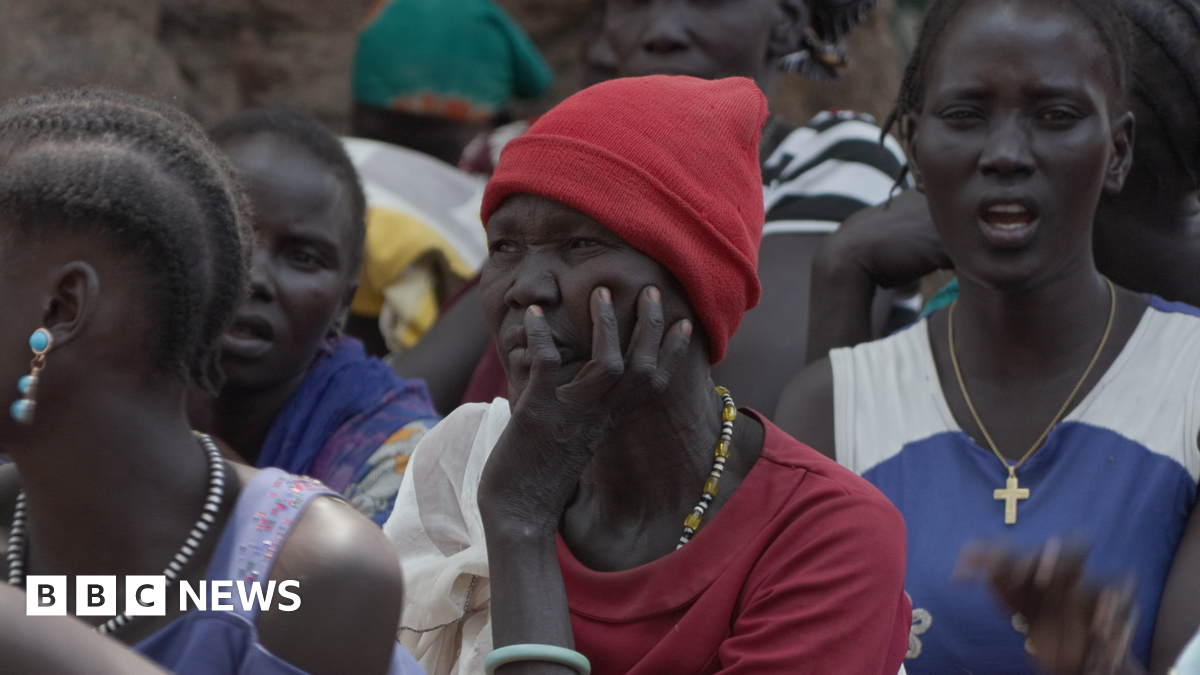
South Sudan Army Bombards Jonglei as Civilians Flee Toward Civil War
Key Takeaways
- Civilians flee as army airstrikes and clashes push South Sudan toward civil war.
- UN warns the country could return to full-blown civil war.
- Intensified army airstrikes aim to regain control amid fighting.
Escalating Conflict
South Sudan is teetering on the brink of civil war as government forces intensify military operations against SPLA-IO fighters in Jonglei state.
“Thousands of civilians are fleeing their homes in South Sudan as military airstrikes and armed clashes push the country closer to full-blown civil war —… Thousands of civilians are fleeing their homes in South Sudan as military airstrikes and armed clashes push the country closer to full-blown civil war — and the United Nations is now warning the world’s youngest nation may be running out of time to pull back from the edge”
Thousands of people have been fleeing the town of Akobo and surrounding areas, with the South Sudanese army describing its strikes as intensified operations to regain control.
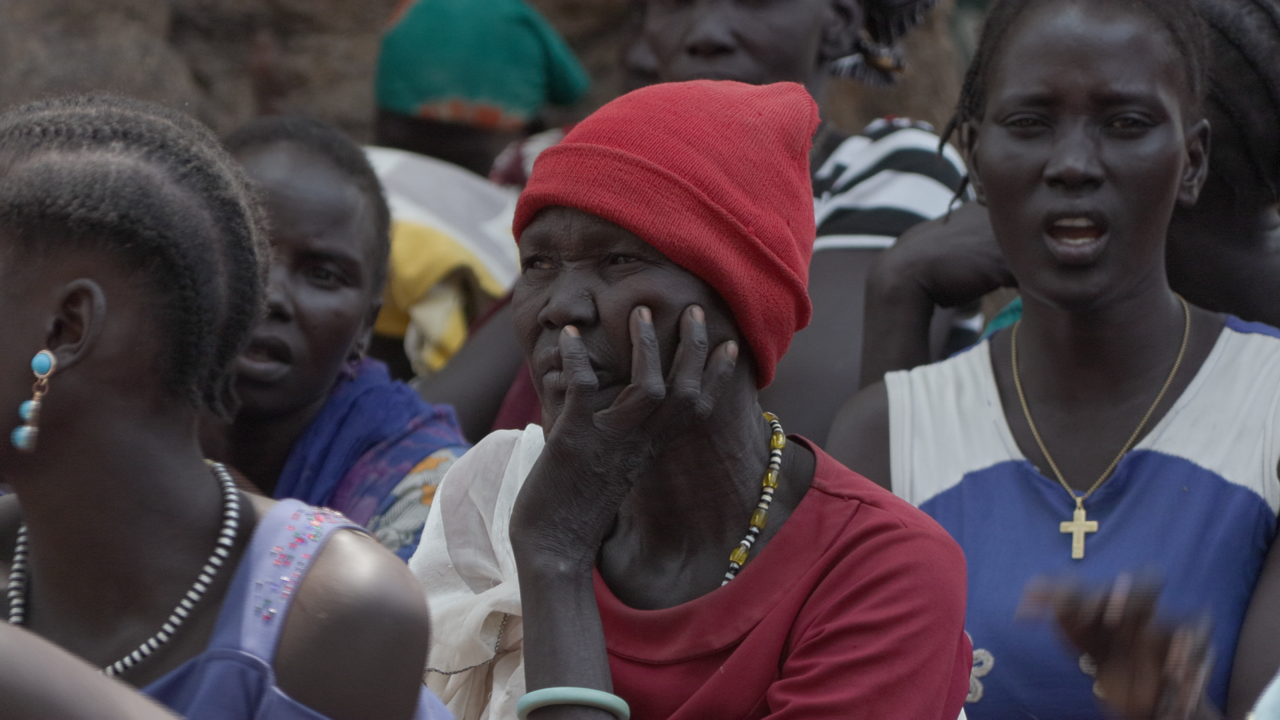
The escalating violence has created contested zones where civilians have no safe side to stand on, as bullets kill regardless of which faction fires them.
Nyawan Koang, 30, and her five children walked for two days to reach the relative safety of Duk village after fleeing Ayod county.
Armed clashes had been raging in Ayod since the beginning of the year, forcing civilians to undertake dangerous journeys to escape.
Historical Context
South Sudan's descent toward renewed civil war occurs against a backdrop of fragile peace and unresolved political tensions.
The country gained independence in 2011, becoming the world's youngest nation, but descended into devastating civil war just two years later in 2013.
A 2018 peace deal brought a fragile halt to the worst of the fighting that had killed nearly 400,000 people.
The peace deal established a power-sharing arrangement that brought political rivals President Salva Kiir and First Vice-President Riek Machar together in government.
This uneasy peace has been fracturing amid ethnic tensions and sporadic violence.
Machar is now suspended from his position and under house arrest in Juba for a year, facing charges of murder, treason, and crimes against humanity that he denies.
The SPLA-IO remains an armed group aligned with Machar that has been actively seizing towns in Jonglei and neighboring states.
Civilian Impact
The human cost of the renewed conflict is devastating, with civilians bearing the brunt of indiscriminate attacks and systematic violence.
“Thousands of civilians are fleeing their homes in South Sudan as military airstrikes and armed clashes push the country closer to full-blown civil war —… Thousands of civilians are fleeing their homes in South Sudan as military airstrikes and armed clashes push the country closer to full-blown civil war — and the United Nations is now warning the world’s youngest nation may be running out of time to pull back from the edge”
UN rights bodies have documented 189 civilian deaths in January alone.
Civilians face 'spikes in indiscriminate attacks including aerial bombardments, deliberate killings, abductions and conflict-related sexual violence' according to UN rights chief Volker Türk.
Whole villages have been torched and civilians indiscriminately killed as SPLA-IO fighters advanced.
Government forces responded swiftly and ferociously to the advancing opposition fighters.
Nyawan Koang lost both her parents when an air strike hit their small thatched-roof hut during their flight to safety.
27-year-old Neyasebit lost two uncles, a brother-in-law and a younger brother in air strikes.
The violence has forced more than 280,000 people from their homes, with thousands seeking refuge in camps like Duk.
Political Crisis
The political crisis deepening the conflict stems from President Salva Kiir's suspension of First Vice-President Riek Machar.
Kiir accused Machar of plotting to overthrow the government.
Machar has been under house arrest in Juba for a year awaiting trial for serious charges.
The charges include murder, treason and crimes against humanity, all of which Machar denies.
His suspension removes one of the key pillars of the 2018 peace agreement.
The government's case against Machar rests on alleged links to White Army fighters.
White Army fighters seized control of a military base from the national army last year.
Machar's supporters view the detention as politically motivated.
The crisis intensified when President Kiir fired Machar, his wife Interior Minister Angelina Teny, and several other senior government figures.
Military Operations
As the fighting intensifies, government forces are conducting intensified military operations to regain control of territory from SPLA-IO fighters.
“Thousands of civilians are fleeing their homes in South Sudan as military airstrikes and armed clashes push the country closer to full-blown civil war —… Thousands of civilians are fleeing their homes in South Sudan as military airstrikes and armed clashes push the country closer to full-blown civil war — and the United Nations is now warning the world’s youngest nation may be running out of time to pull back from the edge”
Both sides have been committing serious violations of international humanitarian law.
The South Sudanese army has been pressing its campaign to retake territory in Jonglei and neighboring states.
However, some attacks on civilians appear to be deliberate rather than mere collateral damage.
By the government's own admission, in the last week of February more than 20 civilians - including women and the elderly - were executed at close range in Ayod.
Army spokesman Maj Gen Lul Ruai Koang confirmed that soldiers from two platoons and their commanders had been put in detention.
These soldiers now face a court martial for their actions.
Information Minister Ateny Wek Ateny acknowledged the risks to civilians while claiming the army is 'responsible' in its conduct.
The UN has warned that without a change in trajectory, South Sudan risks sliding back into full-blown civil war.
More on Africa
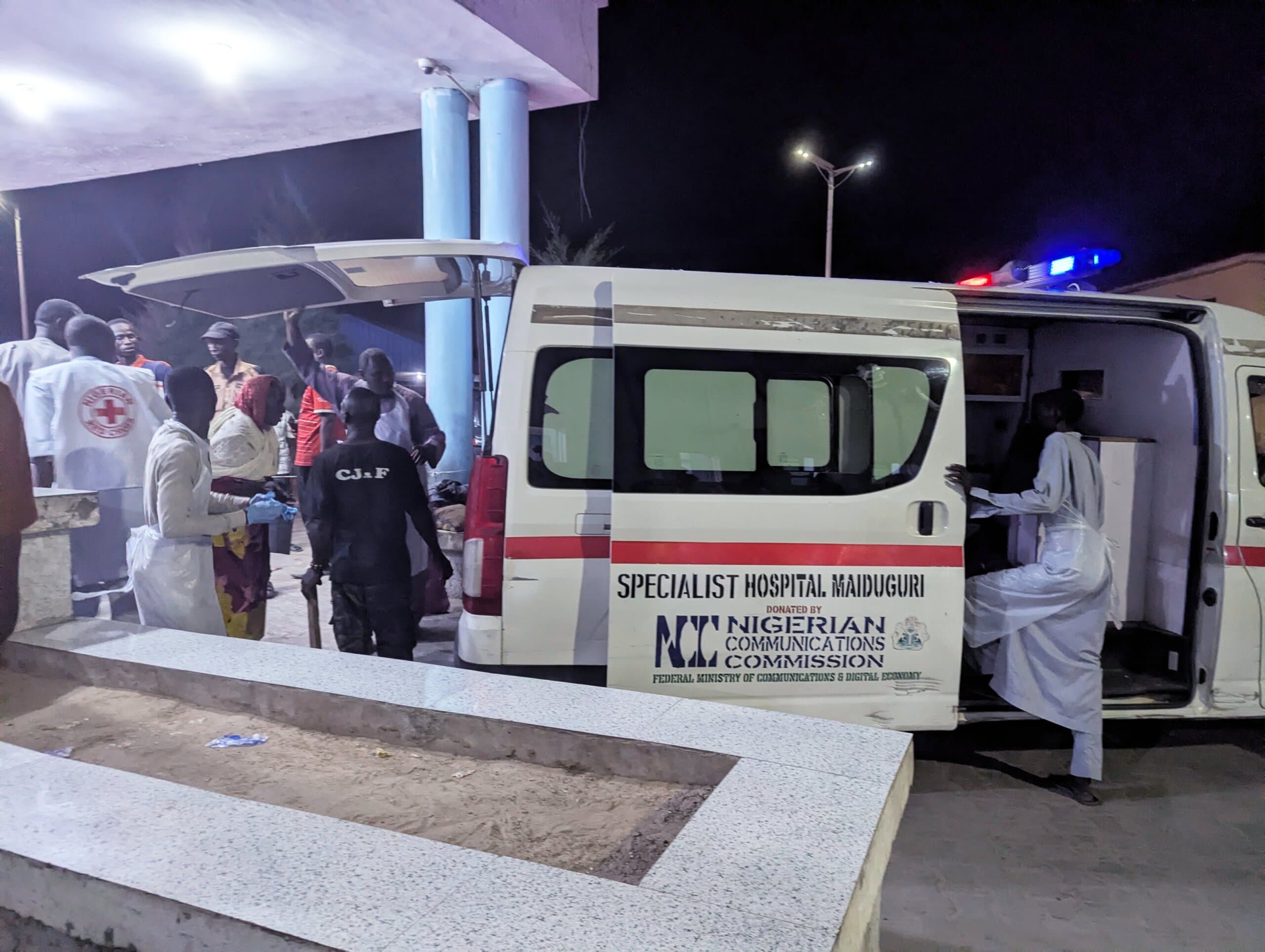
Boko Haram suicide bombers kill 23 in Maiduguri
24 sources compared

Somaliland Offers US Exclusive Access to Minerals and Military Bases to Win Recognition
10 sources compared
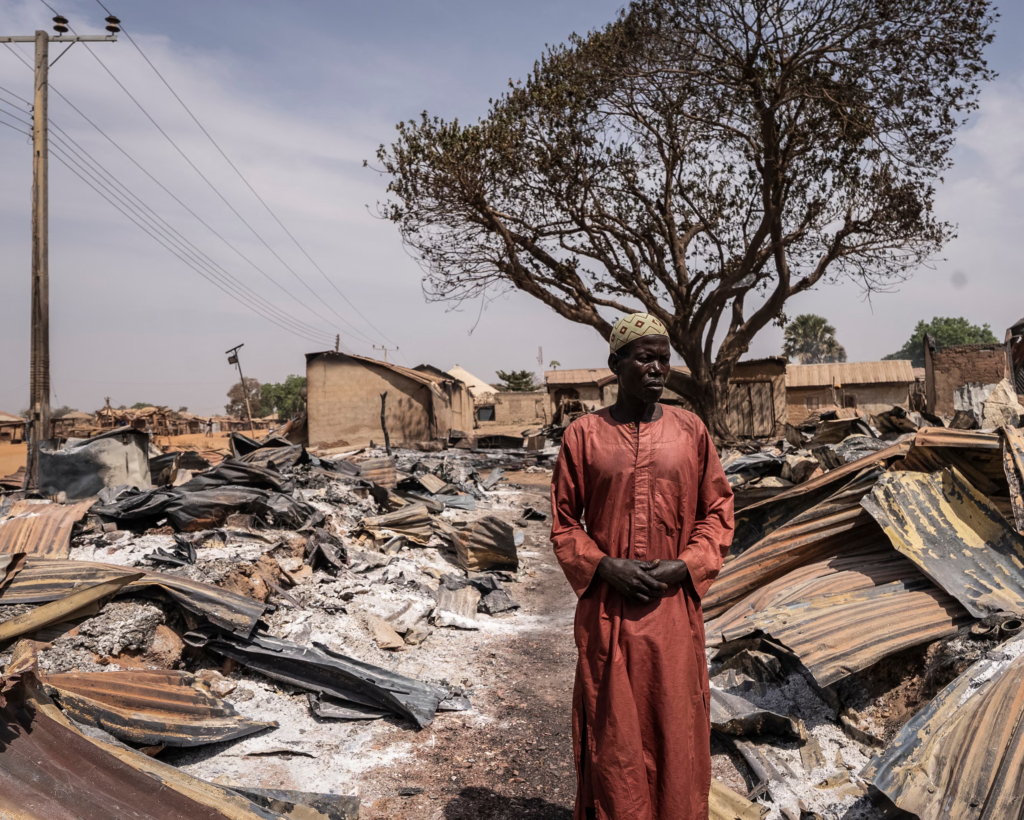
Boko Haram Gunmen Massacre Scores of Villagers in Kwara and Katsina After Sending Letter Asking to Preach
19 sources compared
Boko Haram Gunmen Massacre Villagers in Kwara After Sending Letter Asking to Preach
20 sources compared