Technology and Scienceupdated 10m ago2 min read
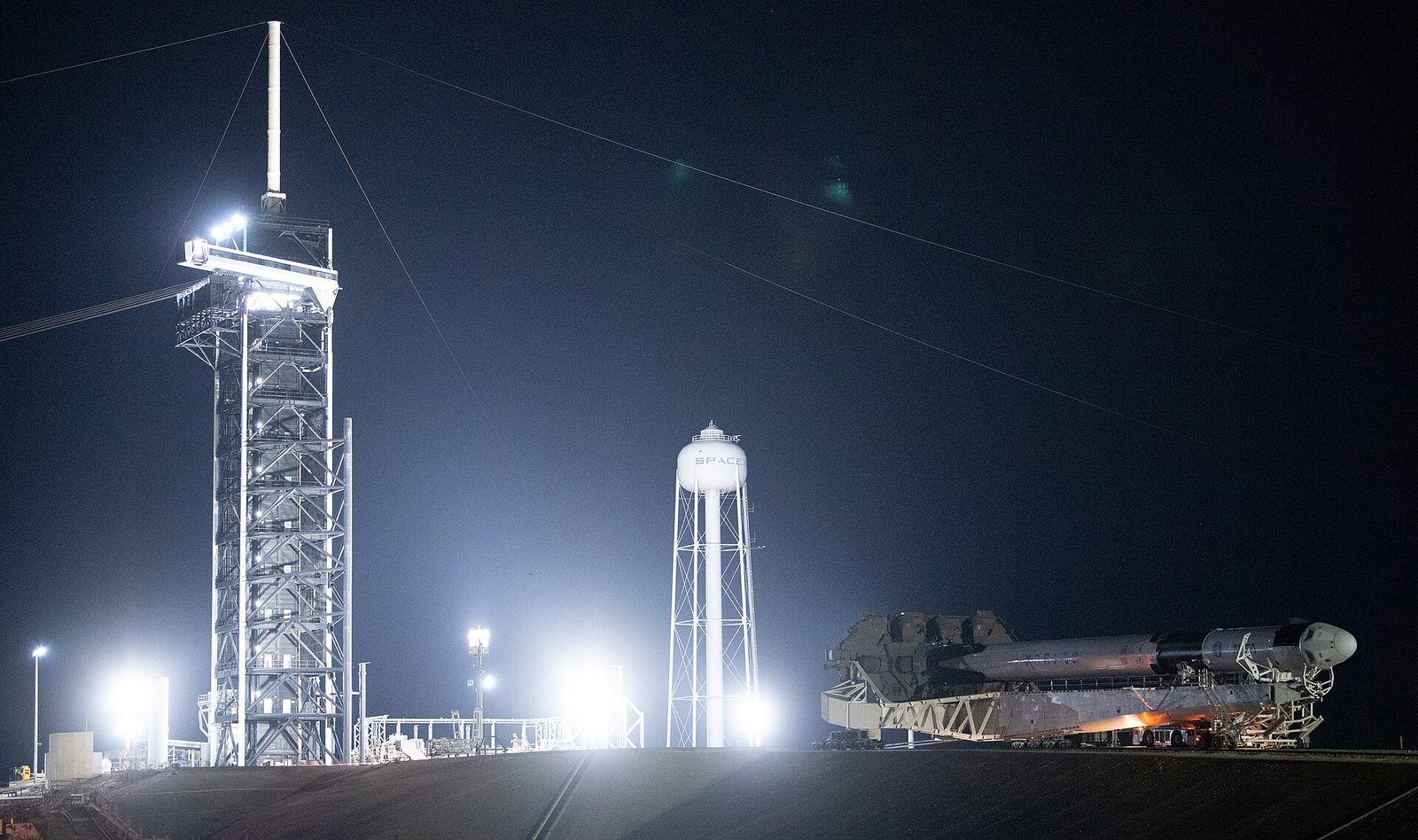
Archive photo · 1 October 2022SpaceX Lenders Seek Limits on Elon Musk Launching AI Chip Collateral Into Orbit
3 Other2 Western Mainstream1 Local Western1 Western AlternativePhoto: Joel Kowsky / US federal government, Public domain · Cropped for layout
This article is an automated aggregation of coverage from news outlets. Our editorials offer in-depth analysis curated by the NewsCord team.
Lenders backing SpaceX's $43B debt seek to bar launching Nvidia chips into orbit. They fear inability to repossess or resell chips if deployed in orbital data centers.
Save coverage image
Project Saturn dispute
SpaceX lenders backing the company’s latest $43 billion debt package tried to bar Elon Musk from firing the collateral AI chips into space as part of his plan for orbital data centers. The lenders’ concern was that chips deployed in orbital data centers would be difficult to recover and monetize in the event of a default.
SpaceX said it plans to use the chips involved in the debt deal on Earth, and it remained unclear whether the restriction was included in the finalized documents. SpaceX sold more than $30 billion of the debt to large investors on Thursday as part of “Project Saturn,” and the largest portion was a $25 billion investment-grade bond backed by SpaceX’s five-year lease payment for the Nvidia chips.
Collateral, yields, and ratings
Lenders backing a $43 billion debt deal for Elon Musk-led Space Exploration Technologies Corp. tried to stop the company from sending valuable Nvidia AI chips into space. The dispute centered on “Project Saturn,” and the bonds reportedly offered yields near 8.3%, compared with approximately 7.2% on SpaceX’s existing debt maturing in 2031.
The financing included $25 billion in investment-grade bonds serviced by chip lease payments over the next five years and issued through a special purpose entity to preserve investment-grade ratings. The notes mature in 2032 but repay principal in under four years, and Moody’s rated them A3 and KBRA rated them A-minus.
What comes next
SpaceX’s financing structure used a special purpose vehicle to keep the debt off SpaceX’s balance sheet and preserve its investment-grade credit rating, and Ars Technica said the proposed covenant raised potential legal challenges for SpaceX’s ambitions to build data centers in space. Dealroom said SpaceX did not respond to the Financial Times, and it reported that Apollo, Goldman Sachs and Pimco declined to comment.
Moody’s assigned the debt an A3 rating, supported partly by contractual provisions requiring SpaceX to continue lease payments regardless of operating setbacks. It was uncertain whether the provision was included in the finalized documents, leaving the practical question of whether lenders can effectively restrict orbital deployment tied to the final deal terms.