
Tourism · 16 March, 2026 · 3 min read
SpiceJet launches 9 UAE-India evacuation flights from Fujairah and Dubai amid Middle East airspace disruptions.
SpiceJet announced nine UAE-India evacuation flights scheduled March 15–16. Seven flights from Fujairah and two from Dubai comprise the nine evacuation services.
Reported distribution of SpiceJet flights between Fujairah and Dubai.
4 of 7 outlets skipped it: spiceJet announced nine special evacuation flights from the UAE to India across March 15 and 16 (seven Fujairah, two Dubai)..
7outlets compared
Same story, two versions
tap a side to read it in full
The Economic Times
“SpiceJet to operate seven special flights from Fujairah to India on March 15-16 Synopsis SpiceJet is operating special flights from the UAE to India to help Indian nationals return amid escalating West Asian conflict.”Read the original ↗
English Bombay Samachar
“Amid escalating hostilities across West Asia, SpiceJet has announced nine special evacuation flights from the United Arab Emirates to India for stranded Indian nationals, scheduled across March 15 and 16.”Read the original ↗
Shows a dramatic difference in the reported scale of the airlift for the same event, reflecting how outlets can diverge on numbers during a crisis.
Evacuation Operation Launch
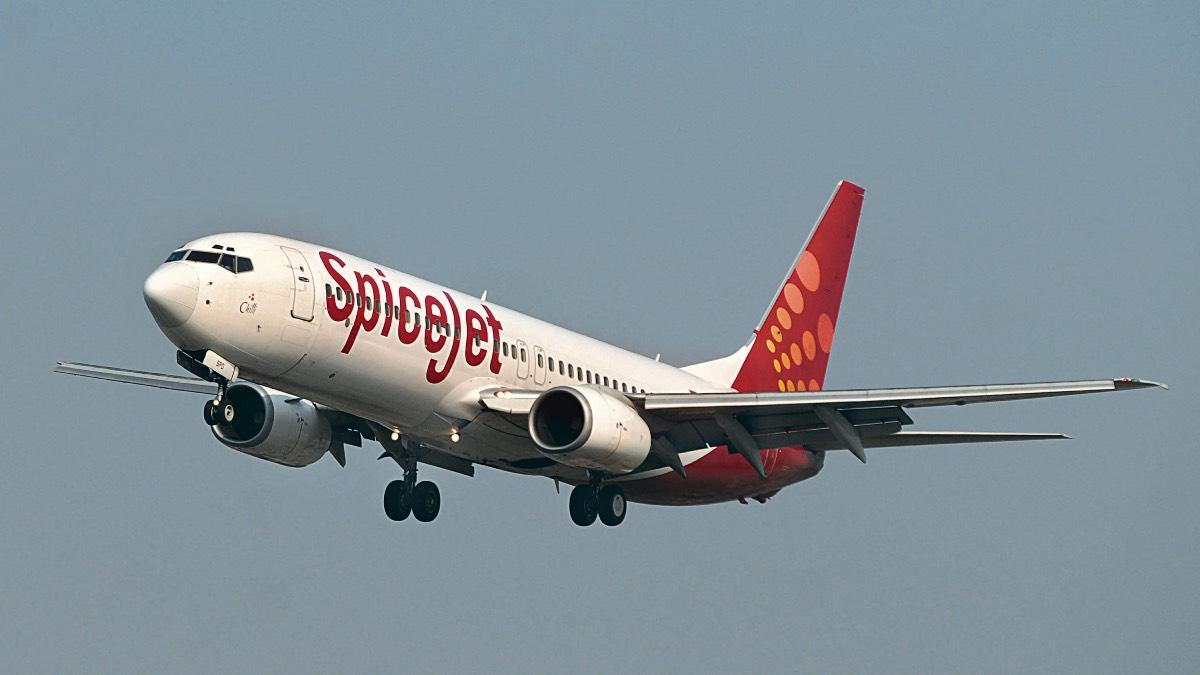
SpiceJet has launched a major evacuation operation, operating nine special flights from the United Arab Emirates to India on March 15-16. These flights aim to assist Indian nationals stranded amid escalating Middle East tensions that have severely disrupted air travel across the region. The airline's emergency response comes as airspace restrictions, security alerts, and changing flight regulations have left thousands of travellers unable to return home.
“SpiceJet has stepped in with a series of special flights from Fujairah in the United Arab Emirates to multiple cities in India, offering relief to hundreds of passengers stranded due to regional tensions and aviation disruptions.”
Particularly affected are Indian expatriates who regularly travel between the Gulf and South Asia for work, family visits, and business. These special operations represent a significant humanitarian effort by the Indian budget carrier to maintain connectivity during unprecedented geopolitical crisis.
Flight Schedule Coordination
The detailed flight schedule shows SpiceJet's systematic approach to addressing the crisis across two days in mid-March. On March 15, the airline operates three flights from Fujairah (two to New Delhi and one to Mumbai) plus one flight from Dubai to Pune. On March 16, SpiceJet plans four more flights from Fujairah to various Indian destinations alongside another service from Dubai to India.
These coordinated operations demonstrate the airline's ability to rapidly adapt its network to meet urgent passenger needs. The schedule highlights the strategic importance of maintaining multiple departure points when primary airports face operational limitations.

Fujairah Strategic Importance
The choice of Fujairah as a primary departure hub reflects strategic aviation planning amid regional disruptions. While larger UAE airports like Dubai and Abu Dhabi faced operational restrictions and congestion, Fujairah provided a less crowded alternative. Located on the UAE's east coast along the Gulf of Oman, Fujairah offers airlines a strategic gateway for regional travel.
“While larger airports such as Dubai and Abu Dhabi experienced operational restrictions and congestion during the crisis, Fujairah offered a less crowded alternative for emergency flight operations. Located on the UAE's east coast along the Gulf of Oman, Fujairah provides airlines with a strategic gateway for regional travel and cargo movement.”
The emirate's airport has increasingly been used as a secondary hub when major Gulf airports face disruptions or capacity limits. This flexibility allowed SpiceJet to quickly arrange additional flights without adding pressure on already constrained western emirate airports.
Aviation Corridor Impact
The UAE-India aviation corridor's critical importance is underscored by these emergency operations. Millions of passengers travel annually between the two countries driven by expatriate populations, business ties, tourism, and religious pilgrimage. When disruptions occur along this heavily trafficked international route, the impact affects airlines, airports, and travellers immediately and extensively.
The SpiceJet flights provide relief after days of uncertainty caused by sudden schedule changes. These efforts help stabilise this essential travel link during a time of crisis. The operations are particularly crucial for the large Indian expatriate community in the UAE who depend on these connections regularly.
Industry Response
Other airlines have been forced to adjust their operations significantly in response to the Middle East crisis. IndiGo and Air India have cancelled multiple scheduled services due to evolving security conditions. IndiGo reported that 'flight operations have been further restricted in Dubai, leading to changes to flight schedules.'
“Meanwhile, IndiGo and Air India have cancelled several of their scheduled services. In an early Sunday statement, IndiGo said, 'Due to the evolving situation in Middle East, flight operations have been further restricted in Dubai, leading to changes to flight schedules.' Air India, in a separate statement on Sunday, said, 'Following instructions from UAE Airport Authorities, Air India and Air India Express are compelled to further curtail their ad-hoc operations for 15 March 2026.'”
Air India stated they were 'compelled to further curtail their ad-hoc operations for 15 March 2026' due to instructions from UAE Airport Authorities. The broader aviation industry response includes route modifications, cancellations, and alternative routing through other Gulf cities like Dammam. Airlines are attempting to navigate the unpredictable security environment while maintaining essential connectivity.
Historical Response Pattern
SpiceJet's emergency evacuation efforts represent part of a broader pattern of the airline stepping in during travel disruptions. Founded in 2005 as one of India's prominent low-cost carriers, the airline has previously demonstrated commitment to maintaining connectivity during crises. Earlier on March 4, SpiceJet had already operated eight special flights from the UAE to assist Indian nationals returning home.
These earlier flights included four to New Delhi, three to Mumbai, and one to Kochi. These repeated interventions highlight the airline's role as a reliable connectivity provider during periods of geopolitical instability. Particularly important is the airline's service on the busy India-Gulf corridor where millions of travellers depend on consistent air service.